
- Why Bedbugs Get Missed in Care Homes for Weeks
- Why Heat Is Often Unsuitable
- How We Work Around a Resident
- Prevention, Which Actually Works Here
- Reporting and Records
Everything in care home pest work is subordinate to one thing: the resident whose room it is may not be able to leave it easily, may not understand what is happening, and may have possessions that cannot be moved without distress.
Why Bedbugs Get Missed in Care Homes for Weeks
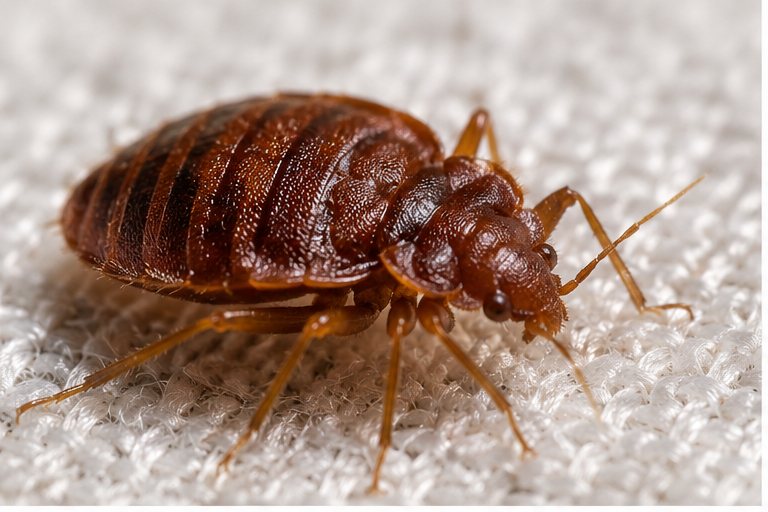
Longer than in any other setting, and for reasons that are nobody's fault.
- Older skin marks differently. Bites can present as bruising, thin-skin tears or a general rash rather than the neat line people expect
- Reactions are attributed elsewhere — to eczema, to a medication change, to a dressing, to scratching
- Residents may not report it, or may report it in terms that are not recognised
- Staff are looking at the person, not the mattress seam. Entirely appropriately
- Soft furnishings are everywhere — recliners, cushions, fabric chairs — and they are rarely lifted
By the time it is identified it has often been present for a month or more, which is why inspection routines matter here more than anywhere.
Why Heat Is Often Unsuitable
Heat treatment requires the room to be emptied of heat-sensitive items and unoccupied for most of a day. In a care home that means:
- Medication out of the room, including anything refrigerated
- Medical equipment, pressure-relieving mattresses and mobility aids assessed individually — several will not tolerate it
- The resident relocated for six to ten hours, which for someone with dementia or limited mobility is not a small thing
- Personal possessions of enormous sentimental value moved by strangers
Sometimes all of that is manageable and heat is the right answer. Often it is not, and a carefully applied chemical treatment that lets the resident return within hours is kinder and therefore better.
How We Work Around a Resident
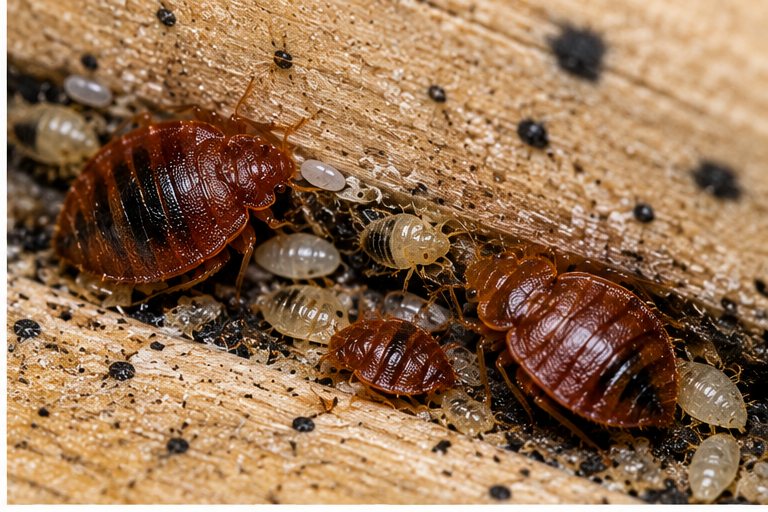
- Talk to the nurse or manager before the room, not after. They know what the resident can cope with and what must not be moved.
- Short, planned absences rather than a whole day out where possible — a chemical treatment is an hour or two.
- Treat around immovable medical equipment rather than insisting it comes out, and record what was worked around.
- Respect the possessions. Photograph the arrangement before moving anything, and put it back the way it was. For a resident with dementia this is not a nicety.
- Tell the family what happened, through the home, in plain terms. Bedbugs in a care home is the kind of thing families hear about sideways and assume the worst of.
Prevention, Which Actually Works Here
Care homes have a genuine advantage: admissions are known in advance and furniture movements are controlled. Both are the main entry routes.
- Check belongings on admission — particularly a bed, a chair or bedding coming from a previous home or hospital
- Mattress encasements as standard. They stop the core becoming a harbourage and make inspection a glance
- Interceptors under bed legs in any room with a history, read at the same time as routine checks
- A seam check built into the linen change, which is happening anyway
- Nothing soft moves between rooms without being checked. Recliners and cushions circulate more than anyone realises
Reporting and Records
Your registered manager will know what your regulator expects and we would not presume to advise on it. What we provide is the documentary side: what was inspected, what was found, what was applied, product safety data, what was worked around and why, and what we recommended next.
Homes that treat an infestation as a recorded incident with a paper trail are consistently in a stronger position than those that treat it as a maintenance job.
← Back to Commercial Bedbug Treatment London · Bedbug Control London
Related Questions
Can you treat a room while the resident stays in it?
No — the room needs to be empty during application and until surfaces are dry. What we can do is keep that window as short as possible and plan it round the resident's day.
Will treatment affect medical equipment?
It can, particularly heat. Pressure-relieving mattresses, oxygen equipment and powered chairs are assessed individually before anything is decided.
How do we explain it to families?
Plainly and early. Bedbugs are a travel problem and can arrive in any building with beds and visitors. A home that says what happened and what it did is trusted; a home that is found out is not.
Commercial Bedbug Treatment London — Advice
Everything else written up for this service, and the service page itself if you would rather just get a price.
Tell Us About the Property
Tell us what you have seen and where, and we will tell you what it needs.