

A Flat in a Converted House Is Part of a Building
Much of the housing across Lewisham was built as single family homes and later divided up, often a flat to a floor, sometimes more. The walls between the new flats were frequently put in after the fact, and the floors between them are the original timber joists with boards on top and a ceiling underneath.
For a bedbug, that construction means routes. The void under the floorboards, the gap where a heating pipe passes through, the run of skirting that carries on behind a stud wall: none of these stop at the line on the tenancy agreement. That does not mean every infestation in a converted house spreads through the building. Most start in one flat and stay there if they are dealt with promptly. It does mean the treatment plan should be written with the neighbours in mind.
Which Flat Did It Start In?
People often want this answered first, usually because they are worried about blame or about who pays. It is worth knowing, but it is rarely something anyone can prove, and the search for an answer should never hold up treatment.
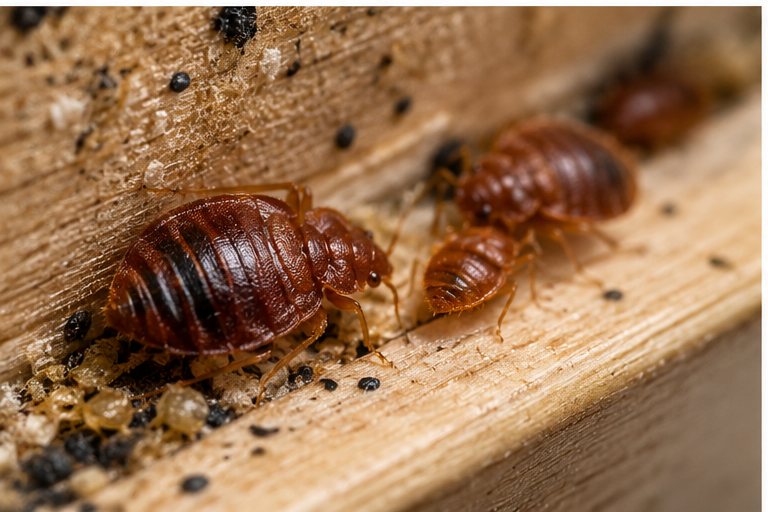
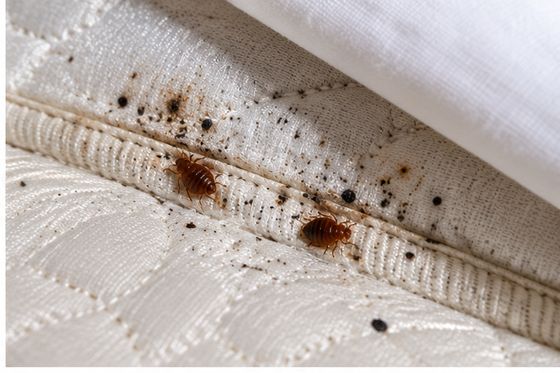
What we can tell you is what the evidence in your flat looks like. A problem that began in your bedroom tends to be heaviest around the bed and thins out with distance. One that has come in from next door or from below often shows up first along the shared wall, at the skirting or around a pipe, with the bed itself lightly affected. Neither pattern is conclusive, and bedbugs also arrive in luggage, furniture and visitors’ bags.
If you suspect the flat above or below, the Brockley page goes through how vertical spread in a conversion is looked at. If you are not yet sure they are bedbugs at all, start with an inspection before anybody pays for treatment.
Renting Privately: Getting Treatment Arranged
In a rented flat the first question is usually who books us. The answer depends on the tenancy and on the cause, and those are for you and your landlord or agent to settle, not for us. We are pest controllers, not legal advisers.
What helps in almost every case is putting it in writing early. Tell the landlord or agent the date you found them, which rooms, and what you saw, and keep a copy. A written report starts a clear record and tends to get things moving faster than a phone call in the hallway. Our guide on who arranges bedbug treatment covers this in more detail.
Whoever books it, we need the same things: access to the rooms, a person who can tell us what has been seen, and someone who will do the preparation. If the landlord books and the tenant prepares, both need the same instructions before the day.
Heat or Chemical in a Shared Building
Both routes work in a converted flat. The difference is in what each leaves behind and how each handles the building around it.
- Chemical treatment puts a residual insecticide into the seams, frames and skirtings, and that residue keeps working after we leave. It does not reliably kill eggs, so it is usually two visits, sometimes three, about 10 to 14 days apart. Each visit is one to two hours. How the chemical course runs.
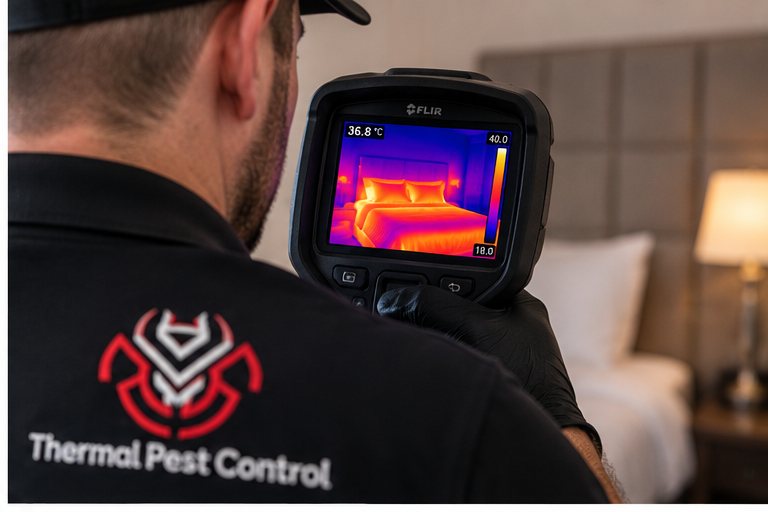
- Heat treatment raises the whole room to a temperature bedbugs cannot survive and holds it there, checked with a thermal camera for cold spots. It kills eggs as well, so it is usually one visit, most of a day. What happens on a heat day.
The catch with heat in a shared building is that it leaves nothing behind once the room has cooled. If there is any chance of bugs coming back through a party wall or up through the floor, we put a light residual product along the edges after the heat. That is not a sign the heat failed; it is the building being taken into account.
Why the Whole Building Matters to One Flat
Treating one flat in a house where the next-door flat is also affected is like mopping a floor under a dripping tap. The treatment can work perfectly and the problem can still come back, because the source was never touched.
That is why we ask on the phone whether anyone else in the building has mentioned bites or marks, whether the flats share a hallway or a loft, and whether the landlord owns more than one flat in the house. Where a freeholder or managing agent looks after the building, it is worth them knowing, because they can arrange for the other flats to be checked. If bedbugs do come back some months after a treatment, the Forest Hill page sets out how to tell a new arrival from a problem that was never finished.
Before You Ring: What to Do and Not Do
- Keep sleeping where you sleep. Moving to the sofa or a friend’s spare room usually spreads them to the new place.
- Leave the mattress and bed where they are. Carrying them down a shared staircase is one of the surest ways to move bedbugs into the rest of the house. Do not throw anything out unless we advise it.
- Put it in writing if you rent. Date, rooms, what you have seen. Keep a copy.
- Skip the shop spray. It tends to scatter bugs into the walls and makes the real treatment harder. Our guide to home remedies goes through what the common ones actually do.
- Bag the bedding. Strip it, seal it in bags and wash it hot. Carrying it to a launderette needs some care; see laundry bags and launderettes.
What It Costs
Bedbug treatments start at £220 and inspections start at £120. The final figure depends on how many rooms are involved and whether you choose heat or chemical, and heat costs more than chemical. You get the figure on the phone before anything is booked, so a landlord and a tenant can agree who is paying before we arrive.
We cover the whole borough, from the town centres at Lewisham and Catford to the flats near the stations served by the DLR, Overground and Southeastern.
More Guides for Lewisham
A proper zipped cover is worth knowing about once the treatment is done; read whether mattress encasements help. In a problem that has been going on for a while, the bugs are often well away from the bed, which is covered in bedbugs behind wallpaper, sockets and picture frames.
Bedbug Control Across Lewisham
Each area page takes one particular situation and works through it, from bedsits to shared student houses.
Bedbug Advice for Lewisham
Written up in full for people in the borough, and worth reading before the treatment day.
Tenant or Landlord: Who Arranges It?
Private renting and bedbugs: reporting it, who books, and what each side does.
Read more →
Do Mattress Encasements Help?
What a zipped mattress cover can and cannot do, and when it earns its keep.
Read more →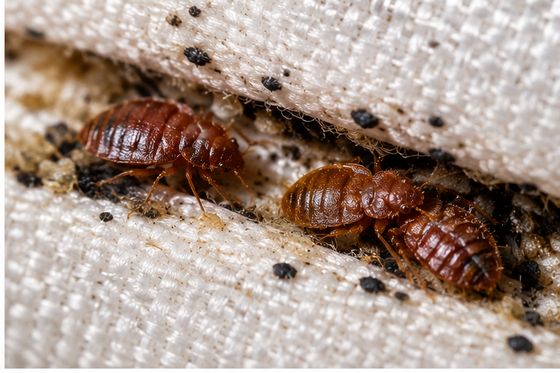
Laundry Bags and Launderettes
Getting infested washing to the machine and back without spreading them.
Read more →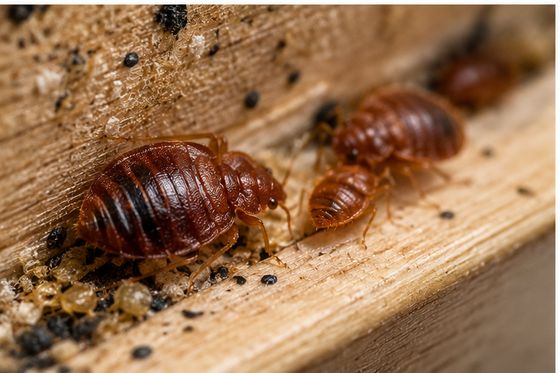
Behind Wallpaper, Sockets and Frames
Where bedbugs go once the bed is full, and how treatment follows them.
Read more →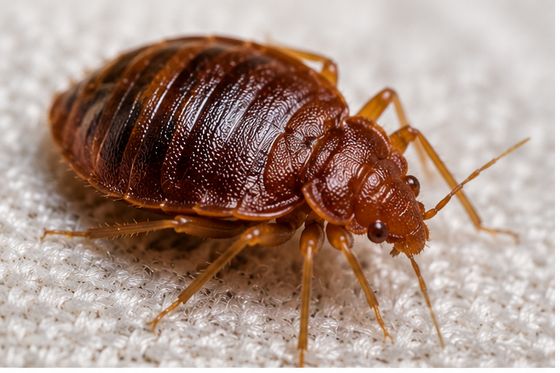
Home Remedies: What They Actually Do
Diatomaceous earth, tea tree, alcohol, steamers and plug-ins, honestly assessed.
Read more →Bedbug Control Lewisham — Questions
Can you treat my flat if the rest of the house is not treated?
Yes. A single flat can be treated on its own, and in a shared building we usually add a light residual at the edges after heat. If a neighbouring flat is also affected, it is worth that flat being dealt with too, or the problem may come back.
Will you tell my neighbours or my landlord?
No. We deal with whoever books the treatment. Telling the landlord, the agent or the neighbours is your decision, although in a converted house it is often in everyone’s interest.
My landlord says it is my fault. Can you say where they came from?
We can tell you what we found and where, and give that to you in writing. We cannot usually say for certain how bedbugs arrived, and who pays depends on the tenancy and the cause, which is a question for your landlord or an adviser rather than for us.
How much does bedbug treatment cost in Lewisham?
Treatments start at £220 and inspections at £120. The final price depends on the number of rooms and whether it is heat or chemical, and you have it before anything is booked.
Is heat or chemical better for a flat in a converted house?
Heat usually finishes it in one visit and kills the eggs; chemical costs less and leaves a residue that keeps working. In a shared building we often combine heat with a light residual at the edges. See the comparison guide for how to choose.
I rent a single room. Is that handled differently?
The treatment is the same, but everything you own is in one room, which changes the preparation. The bedsit and single-room page covers it.
Do bites mean I definitely have bedbugs?
No. Bites vary a great deal and some people do not react at all. Look for the bugs or the dark spotting, or book an inspection. For a skin reaction, speak to a pharmacist or GP, and call 999 for any sign of a severe allergic reaction.
Bedbug Treatments in Lewisham
Every service has its own page for Lewisham: heat, chemical, hotels, commercial premises and inspections.
Covering Lewisham
Tell Us About the Property
Tell us whether you rent or own, which rooms are affected and whether anyone else in the building has mentioned it.