

Most of Your Belongings Do Not Need to Go Anywhere
The first instinct, once bedbugs are confirmed, is to empty the bedroom: bag everything, carry it into the hall and start again. Bedbugs sit close to where someone sleeps, and anything carried out of that room can take a few with it into a room that was clear. The less that crosses the landing before treatment, the smaller the job.
So the starting point is the opposite of a clear-out. The bed, the mattress, the bedside tables, the wardrobe and the chest of drawers stay in place. So do curtains, rugs and upholstered chairs. We move and open furniture ourselves on the day. What changes from home to home is the short list of things that must come out first, and that list depends on which treatment you choose.
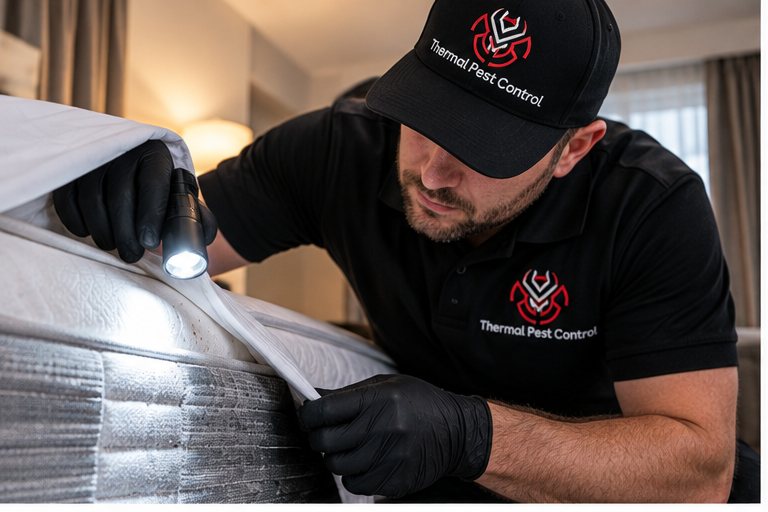
What Comes Out Before a Heat Treatment
Heat works on the whole room at once, and that includes what is in it. That is its great advantage for a full room: clothes hanging in the wardrobe, books on the shelf and the sofa by the window are all brought up to a temperature bedbugs cannot survive along with the bed. The downside is that anything which would be damaged by that warmth has to be out of the room before we start.
- Aerosols, candles, cosmetics and anything that melts, slumps or is under pressure.
- Medication, including whatever is kept in a bedside drawer.
- Vinyl records, photographic film and musical instruments.
- Plants, and some electronics, which we go through with you rather than guess at.
- Pets and their bedding, for the whole day.
Beyond that list, tell us about anything old, fragile or valuable in the room before the day: veneered or lacquered furniture, framed works on paper, a piece that has been restored. We would rather talk about it on the phone than meet it in the morning. The full preparation list is in our London guide on how to prepare for heat treatment, and the Kensington and Chelsea heat treatment page covers the borough’s houses and mansion flats.
What Comes Out Before a Chemical Treatment
Chemical treatment works differently. A residual insecticide goes into the places bedbugs hide: mattress seams, bed frame joints, headboards, skirtings and the edges of furniture. It treats the structure of the room, not the contents of the drawers. That means your clothes and linen are your job: strip and hot-wash the bedding, and wash and tumble dry whatever was in the bedroom and can take it.
The room itself needs clear edges more than an empty middle. Books stacked along the skirting, boxes under the bed and piles on the floor all hide the places we need to reach, and they also sit where the product goes. Lift them onto a bed or a table in the same room, or bag them and keep the bags in that room, so the edges are open. The Kensington and Chelsea chemical treatment page explains how the visits are spaced.
Clothes That Cannot Go in the Wash
Wool coats, silk, tailoring and anything marked dry clean only need a different route. Here are the options, roughly from easiest to hardest:
- If you are having heat treatment, leave them hanging in the wardrobe in the room being treated. That deals with them in place.
- If a tumble dryer on a warm setting is kind enough to the fabric, a full cycle on its own, without washing, does most of the work.
- Otherwise, seal each item in its own clear bag, label it, and take it to a dry cleaner, telling them why before they open it.
- Anything you cannot decide about stays sealed and in the treated room until you have spoken to us.
For a dressing room or spare room that is really a wardrobe, say so when you ring, because it counts as a room.
Collections, Heirlooms and Antique Furniture
Books, records, pictures and inherited pieces raise their own questions: whether bedbugs can live in them, whether the treatment can harm them, and whether they should be in the room on the day. The honest answer is that most collections are low on the list of places bedbugs choose, but they cannot simply be ignored if they are in a bedroom. The Kensington page goes through a large collection in the room being treated, shelf by shelf.
Old upholstered furniture is more likely to matter than a bookcase, because buttons, piping and loose linings give bedbugs places to sit. Do not strip it, re-cover it or take it to a restorer before treatment; you would be sending the problem to someone else’s workshop. Leave it where it is and point it out to the technician.
Choosing Between Heat and Chemical for a Full Room
When a room is packed with things you care about, heat often suits it better, because the contents are treated with the room and there is no residue on surfaces afterwards. It is usually one visit, takes most of a day and costs more. It also means the heat-sensitive list has to be out, which in a room of instruments or records is a real job.
Chemical is usually two visits, sometimes three, about 10 to 14 days apart, of one to two hours each. It costs less and asks less on the day, but it leaves the clothes and linen to you, and it does not reliably kill eggs, which is why the visits are spaced. In mansion blocks and converted houses that share walls, heat is sometimes followed by a light residual at the edges. Our London guide to heat versus chemical treatment lays the two side by side.
Checking First, and What It Costs
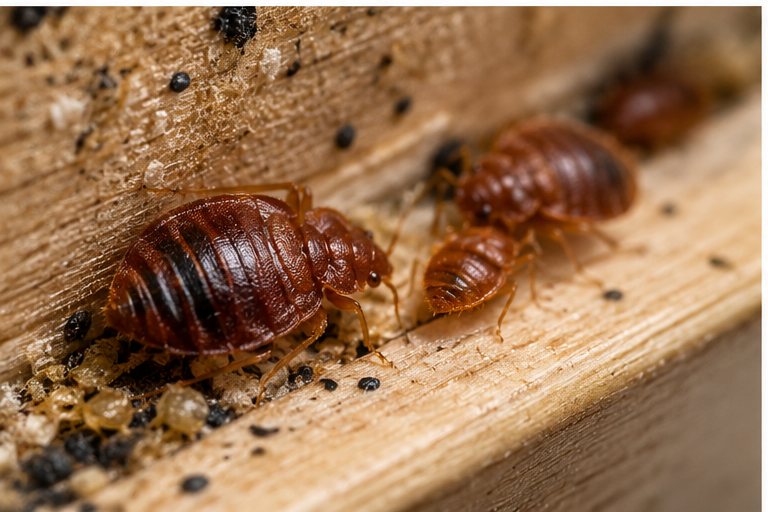
Before anyone bags a wardrobe, it is worth being sure. Bites on their own prove very little, since people react differently and some do not react at all. A live insect, shed skins or dark spotting on a mattress seam is what to look for. If you have found nothing definite, an inspection from £120 tells you which rooms are involved; the Kensington and Chelsea inspections page explains the visit.
Treatments start from £220. The figure depends on how many rooms are treated and whether you choose heat or chemical, and we give it to you on the phone before anything is booked.
Guides for Homes in the Borough
If you divide your time between here and somewhere else, read bedbugs in a second home you visit occasionally. A sighting in an odd place is covered in can bedbugs live in the kitchen or bathroom and can bedbugs live in ceilings and light fittings. Whether the time of year makes a difference is answered in are bedbugs worse in summer, and for mansion blocks and converted houses, telling neighbours in your building about bedbugs covers who to tell and how.
Areas We Cover in Kensington and Chelsea
Each area page takes one situation. Chelsea covers a mews house with a garage or workroom below the bedrooms, South Kensington an overseas move with furniture shipping in or out, and Holland Park downsizing into a flat without bringing bedbugs along. Notting Hill is for a market trader keeping second-hand stock at home, and North Kensington for a neighbour who has just told you they have them. Hotels in Earl’s Court and elsewhere should see the hotel treatment page.
Bedbug Control Across Kensington and Chelsea
Each area page deals with one kind of home or situation, so pick the one closest to yours.
Bedbug Advice for Kensington and Chelsea
Written up in full for people in the borough, and worth reading before the treatment day.
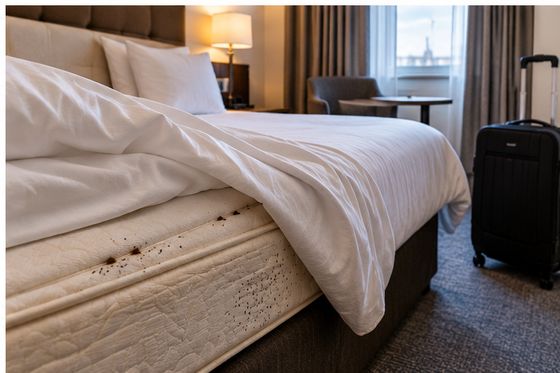
Bedbugs in a Second Home
An empty flat between visits, what survives the wait, and not carrying them from one home to the other.
Read more →
Bedbugs in the Kitchen or Bathroom?
Why they are seldom found by the sink or the bath, when they are, and what that sighting tells you.
Read more →
Are Bedbugs Worse in Summer?
Warmth, holiday luggage and visitors, why winter does not fix it, and when people tend to notice.
Read more →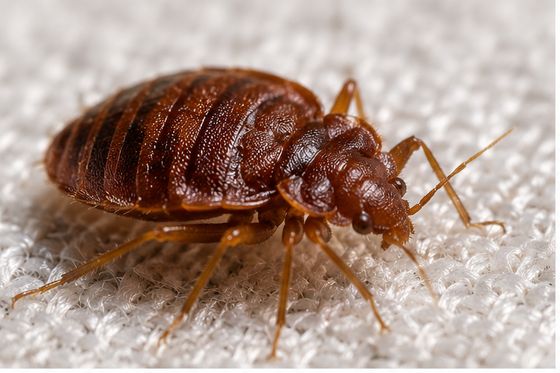
Bedbugs in Ceilings and Light Fittings?
When they climb, where they hide up high, and what a sighting on the ceiling says about the problem.
Read more →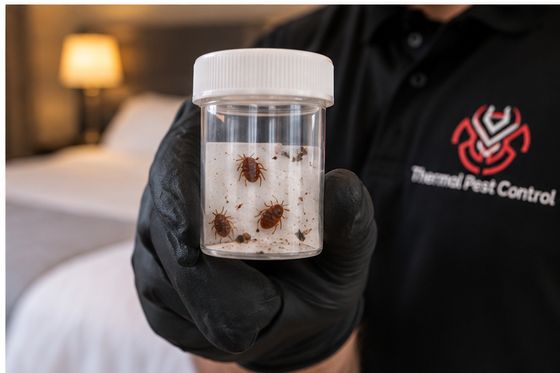
Telling Your Neighbours
Why it helps, who to tell first, what to say, and bringing in the managing agent or landlord.
Read more →Bedbug Control Kensington and Chelsea — Questions
Do I need to throw anything away?
Almost never, and not before we have looked. Carrying a mattress or a sofa out through the building spreads bedbugs, and a replacement on an untreated frame picks them up again.
Will heat treatment damage antique furniture?
Tell us about each piece before the day. Most solid furniture stays in the room, but we will talk through veneers, lacquer, glued joints and anything restored rather than assume.
Should I move my clothes to another room while the bedroom is treated?
No. Moving them is one of the main ways bedbugs reach a clean room. Leave them in place for heat, or wash and dry them for chemical, and ask us about anything in between.
Can books and papers stay on the shelves?
For heat, usually yes. For chemical, clear anything stacked on the floor along the skirting so we can reach the edges, and keep it in the same room.
How much will it cost?
Treatments start from £220 and inspections from £120. The price depends on the number of rooms and on heat or chemical, and you hear it on the phone before booking.
Should I sleep in another room until it is treated?
Better not. Bedbugs follow the sleeper, so moving to the sofa or the spare room tends to spread them. Keep sleeping in your own bed until the work is done.
I am reacting badly to the bites. What should I do?
People react very differently, and some not at all. A pharmacist or GP can help with a skin reaction; call 999 if anyone shows signs of a severe allergic reaction.
Bedbug Treatments in Kensington and Chelsea
Every service has its own page for Kensington and Chelsea: heat, chemical, hotels, commercial premises and inspections.
Covering Kensington and Chelsea
Tell Us About the Property
Tell us which rooms have signs and anything in them you are worried about, and we will ring back with a price.