

How a Family Week Brings Them Home
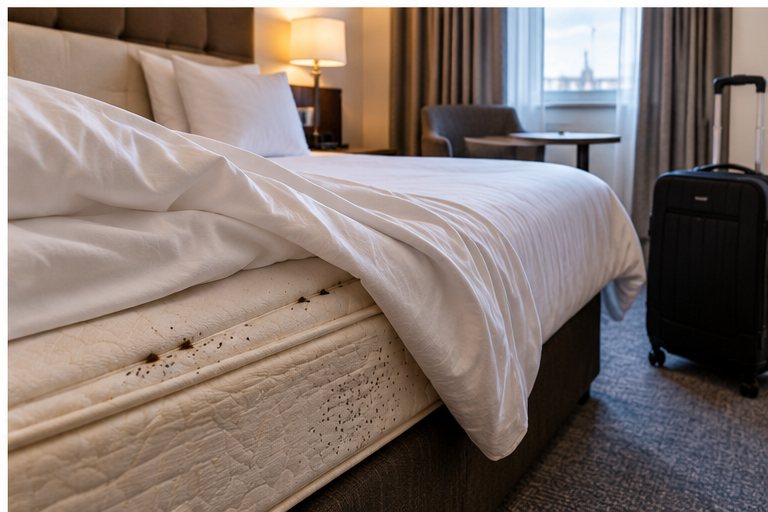
A bedbug cannot fly or jump, and it does not travel far on foot. What it does very well is hide in a seam or a fold and wait to be picked up. Anything that goes out of the house, sits somewhere other people have sat, and comes back into a bedroom is a possible lift.
That is why the question worth asking is not “where did we catch them?” but “what goes out and comes back every week?” You will rarely pin down one moment. You can, though, see which routines give them the easiest ride, and those are the ones to change once the treatment is booked.
None of this means your house is dirty or careless. Bedbugs feed on blood, not crumbs, and a spotless bedroom suits them as well as an untidy one.
School Bags, Sleepovers and Trips Away
Children carry more bags than anyone else in the house, and those bags tend to end up on the bed while homework is done or kit is sorted. A rucksack that spent the day on a cloakroom peg next to dozens of others is exactly the kind of thing to keep off the duvet.
- Give school bags a fixed spot downstairs, on a hard floor or a hook, rather than the bedroom.
- After a sleepover, the sleeping bag and pillow go straight into the wash or the dryer, not back into the wardrobe.
- Residential trips and camps: unpack in the kitchen or hall when they get home, and wash the lot on the hottest setting the labels allow.
If a child’s room is the one that needs treating, our guide to getting a child’s bedroom ready covers toys, school things, the cot or bed, and how to explain it to them.
Work Bags, Shift Patterns and Nights Away
Adults bring them in too, usually in the bags that travel furthest. A holdall used for nights away with work, a coat that is hung on shared hooks, a laptop bag that lives on the bedroom chair: none of them is risky on its own, but each of them spends time where people have slept or sat for hours.
If someone in the house sleeps away from home as part of the job, that routine deserves its own rule. The Rainham page is written for drivers who sleep in the cab, and the same thinking works for anyone who stays over somewhere for work: unpack away from the bedrooms and wash what came back.
Kit Bags and Weekend Sport
Sports kit gets packed, carried, dropped in a changing area, packed again and tipped out at home. The habit to break is emptying it on a bed. Unzip it in the utility room or by the washing machine, put the kit straight in, and leave the bag itself somewhere that is not a bedroom.
If the bites only turn up on certain nights of the week, write down when. A pattern tied to a particular day is worth knowing, and our Elm Park page goes through how to read one.
Visitors, Guest Beds and Stays With Family
Visits run both ways. Someone comes to stay and sleeps in the spare room, or the family goes to stay somewhere and comes home with the suitcases. The spare room is easy to forget because nobody sleeps in it every night, so it is often the last place anyone checks.
- Check a guest bed before and after it is used: the seams, the frame corners and the back of any headboard.
- Wash guest bedding hot once the visit is over, even if it looks clean.
- Pull-out and folding beds have more joints than a divan; our Collier Row page covers those.
Heat or Chemical for a Family House
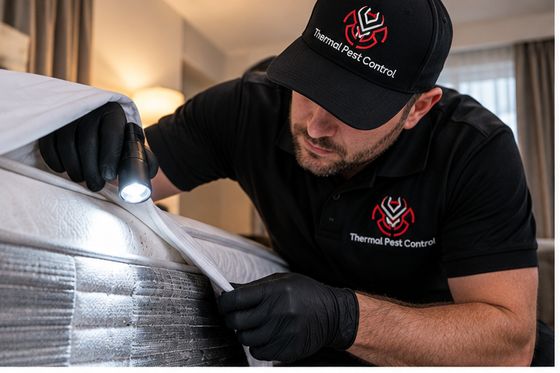
Both routes start at the same place: find out which rooms have them. If you are not sure what you are looking at, an inspection from £120 confirms it before treatment money is spent; our Havering inspections page explains what it covers.
Heat brings each treated room up to a temperature bedbugs cannot survive, holds it there and uses a thermal camera to find cold spots. It gets the eggs as well, so one visit is the norm. The family is out of those rooms for most of a day, pets included, and things heat would harm come out first. The heat treatment page for the borough covers how that works in a semi-detached house.
Chemical places a residual insecticide in seams, frames and skirtings. It does not reliably kill eggs, so you should expect two visits, sometimes three, roughly 10 to 14 days apart, each taking one to two hours. You can use the room again once it is dry. The chemical treatment page sets out the course of visits.
Heat costs more than chemical. When more than one bedroom is involved, or the household cannot manage a course of visits spread over several weeks, heat often makes more sense; for one contained room, chemical usually does the job.
Getting the House Ready
Preparation is where families lose time, mostly because there is more stuff in a house than in a flat. Three of our guides take the awkward parts one at a time:
- Food, medicines and kitchen items: what has to move, and why heat and chemical differ.
- Fabric wardrobes and clothes rails: checking them, and what happens to the clothes.
- Older houses: gaps, boards and cracks, and why a new build is not immune either.
Whatever else you do, keep sleeping in your own beds, and do not throw a mattress or bed out before we have seen it. Moving either one through the house spreads them from room to room.
After Treatment: Changing the Routine
Once the rooms are clear, the job is to make sure the same week does not bring them back. Pick the two or three habits that fit your household and keep them up:
- Bags that go out every day live downstairs, off beds and sofas.
- Anything coming back from a night away is unpacked on a hard floor and washed or tumble dried before it is put away.
- Guest beds are checked after each visit, not just before the next.
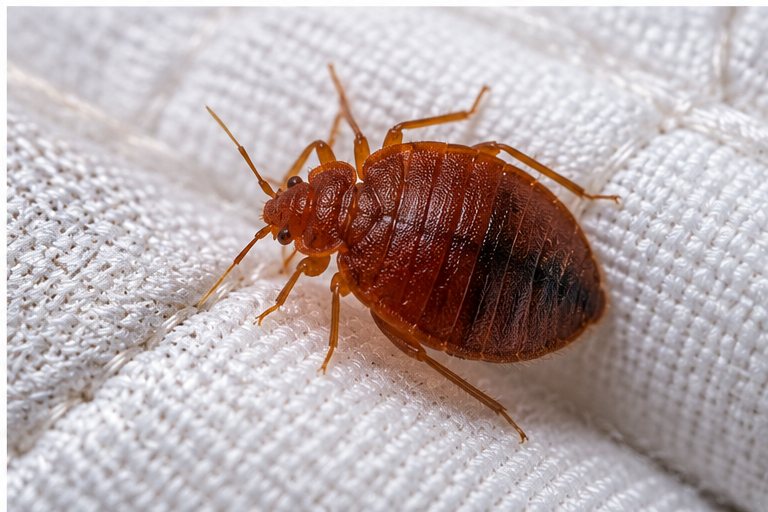
- Anyone who spots dark marks on a seam, or a bug, says so straight away and keeps it in a jar.
If you would like to know how far to worry about holidays, our guide asking whether bedbugs are only a hotel problem puts hotels in proportion with everything else a family does.
What It Costs
Treatments start at £220 and inspections from £120. The figure for your house depends on how many rooms are affected and whether you choose heat or chemical, and we give it to you on the phone before anything is booked.
Bedbug Control Across Havering
Each area page takes one household situation and deals with it in full.
Bedbug Advice for Havering
Written up in full for people in the borough, and worth reading before the treatment day.
Getting a Child’s Bedroom Ready
Toys, school things, the cot or bed, and how to bring your child along with it.
Read more →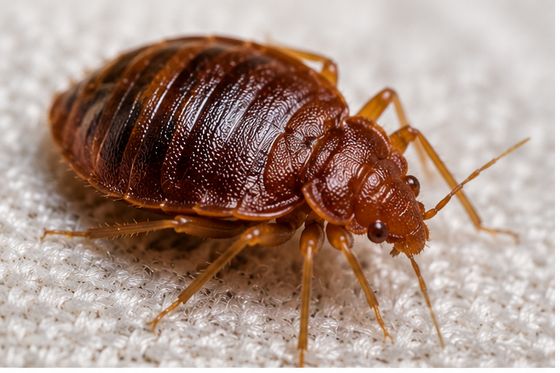
Food, Medicines and the Kitchen
What to move, what can stay, and how heat and chemical treatment differ for each.
Read more →
Fabric Wardrobes and Clothes Rails
Canvas wardrobes, open rails and the clothes pile by the bed: checking and treating.
Read more →
Are Older Houses Worse?
Gaps, boards and cracks give them more cover, but new homes get them too.
Read more →
Only a Hotel Problem?
Where bedbugs really turn up, why homes are where they settle, and what follows.
Read more →Bedbug Control Havering — Questions
Can bedbugs come home in a school bag?
They can, in the same way they travel in any bag that is put down next to other people’s belongings. Keeping bags off beds and out of bedrooms is the simplest way to take that route away.
Should the children sleep in our bed until it is sorted?
We would advise against it. Bedbugs follow people, and moving where everyone sleeps usually takes them into a second bed rather than leaving them behind.
Do we all have to be out of the house during treatment?
For heat, everyone and any pets stay out of the rooms being treated for most of a day. For chemical, people stay out of treated rooms until the surfaces are dry, which usually takes a few hours. Follow the instructions given on the day.
Is heat or chemical better for a house?
Neither is better in every case. Heat suits a problem that has reached more than one room and gets it done in one visit; chemical costs less and works well on one contained room over two or three visits. We will say which fits when you ring.
The bites are only on one person. Is it definitely bedbugs?
Not necessarily, and not ruling it out either. People react very differently and some do not react at all. If you are unsure, an inspection settles it. For a skin reaction, a pharmacist or GP can help; ring 999 if anyone shows signs of a severe allergic reaction.
How much will it cost for our house?
Treatments are from £220. The exact figure depends on the number of rooms and whether it is heat or chemical, and you get it on the phone before booking.
How do we stop them coming back?
Look at what leaves the house and comes back each week, and change how it comes in: bags off beds, holiday and sleepover things unpacked on a hard floor and washed hot, and guest beds checked after visitors go.
Bedbug Treatments in Havering
Every service has its own page for Havering: heat, chemical, hotels, commercial premises and inspections.
Covering Havering
Tell Us About the Property
Tell us which rooms, and who has been bitten, and we will ring back with the options.