

One Flat, One Building
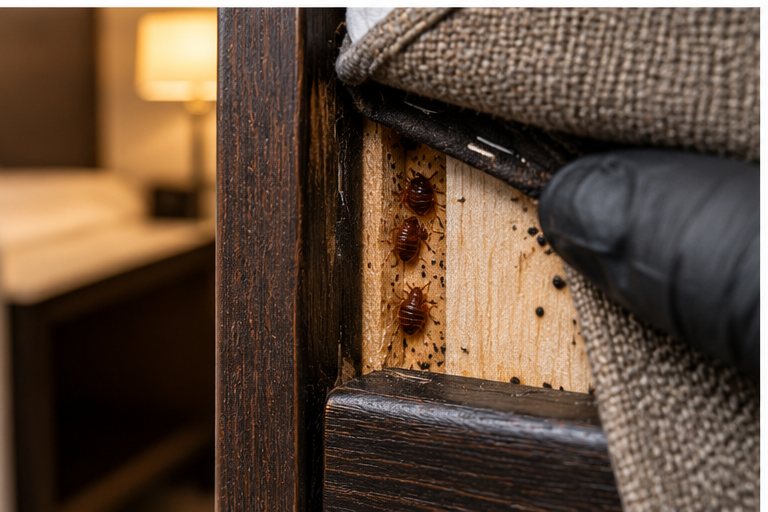
A house is a closed box. A flat is not. Bedbugs walk, and in a block they can walk along pipe runs, behind skirting that carries on through a party wall, and under the doors that open onto a shared landing. That does not mean every flat in a building has them, and it does not mean treating yours is pointless. It means the plan has to start with a few questions about the building before it gets to the bed.
When you ring, we ask whether anyone next door, above or below has mentioned bites or spotting, whether the landlord or managing agent already knows, and whether the flat came furnished. The answers decide which route we suggest and how much we tell you to expect afterwards.
- Your flat only, nothing elsewhere — the usual situation, treated like any home
- A neighbour has them too — treat yours, put residual protection at the edges, and push for theirs to be done
- Several flats on one stair or corridor — this is a building problem, and the landlord needs to be involved
Council and Housing Association Estates
Peckham and Camberwell have large council estates. Where the flat is rented from the council or a housing association, who arranges and pays for treatment depends on the tenancy and on the cause, so the first practical step is to report it in writing and keep a copy. We are pest controllers, not legal advisers, but we can put what we found in writing for you.
If the neighbours are affected as well, our guide to bedbugs on an estate when the neighbours have them too covers treating one flat inside a block that has a wider problem, and how to raise it with the people next door without it turning into an argument.
Flat Shares and Rooms Let to Several People
Several people, several bedrooms, one kitchen and one living room. Bedbugs do not respect whose room is whose, and a treatment only works if every affected room is ready at the same time. The hard part is rarely the treatment; it is getting four adults with four different timetables to bag their washing on the same evening.
Bedbugs in a flat share sets out who does what, and what to do about the room nobody wants to clear. If the property is run as a licensed house in multiple occupation, the landlord's side is covered on our HMO and serviced apartment page.
Towers, Studios and New Blocks
Elephant and Castle has been heavily redeveloped with new towers, and a new building is not a barrier. Bedbugs arrive in bags, furniture and clothes, and a flat that was finished last year can have them as easily as one built a century ago. Newer blocks usually have a managing agent, who should be told in writing as soon as you know.
Smaller flats bring their own question: if you sleep, eat and work in one room, there is nowhere to move things to on the day. Our Elephant and Castle page deals with studio flats specifically.
Warehouse Conversions and Riverside Flats
Bermondsey and Rotherhithe have converted warehouses and riverside flats. Open layouts, exposed timber and high ceilings mean more air to heat and fewer walls to stop a spread, which matters when choosing a route. Heat treatment in an open-plan space is on our Bermondsey page; a furnished rental, where the sofa and bed belong to the landlord, is on the Rotherhithe page.
Heat or Chemical When You Share Walls
Both routes work in a flat. They behave differently in a building.
Chemical treatment leaves a residual insecticide in seams, frames and skirtings. It does not reliably kill eggs, so it is usually two visits, sometimes three, about 10–14 days apart. The residue is useful in a block because it keeps working at the edges of the flat after we leave, where a bedbug coming through from next door would cross it.
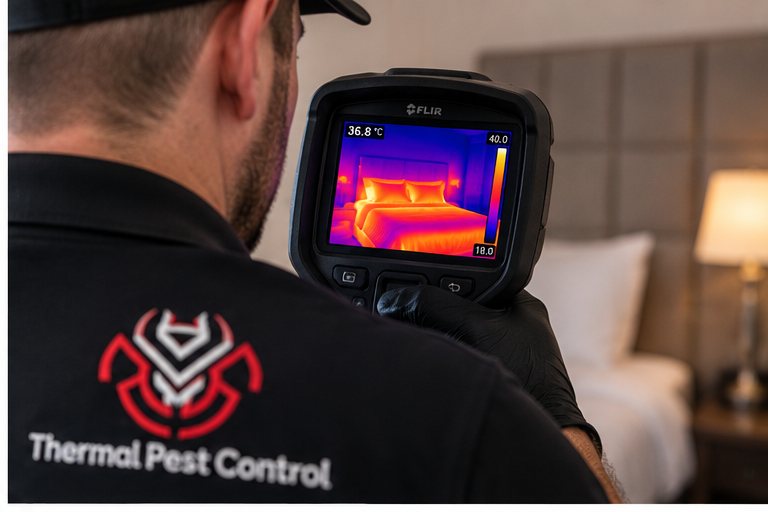
Heat treatment raises the whole room to a temperature bedbugs cannot survive and holds it there, checked on a thermal camera until the cold spots come up. It kills the eggs as well, so it is usually one visit. Heat leaves nothing behind, so in a shared building we may put a light residual at the edges as well. For the full side-by-side, read heat treatment versus chemical treatment.
Where We Look First
In a small flat the bed is the centre of it, but not the whole of it. We look along mattress seams, into frame joints and screw holes, behind the headboard, along the skirting nearest the bed and around the sofa if anyone dozes on it. Upholstered headboards come up often enough that they have a guide of their own.
If you are not sure it is bedbugs at all, an inspection from £120 confirms it before anyone spends money on treatment. If you know it is, but not how far it has gone, the Peckham page explains how to count the affected rooms before you ring.
Getting Ready and What It Costs
For chemical treatment you strip and hot-wash the bedding, bag it and clear the floors. For heat, heat-sensitive things come out first: aerosols, candles, medication, vinyl, some electronics and plants. Pets go out for the day either way. How much to clear before treatment covers clutter, bagging and what to leave where it is.
Treatments start at £220. The final figure depends on how many rooms are involved and whether it is heat or chemical, and heat costs more. You get the figure on the phone before anything is booked.
Bites are the reason most people ring, and they are not the same on everyone. Bedbug bites: what helps and when to see a GP sets out when a pharmacist is enough and when it is not.
Bedbug Control Across Southwark
Each area page takes one practical question that comes up in flats and houses here, and answers it in full.
Bedbug Advice for Southwark
Written up in full for people in the borough, and worth reading before the treatment day.
When the Neighbours Have Them Too
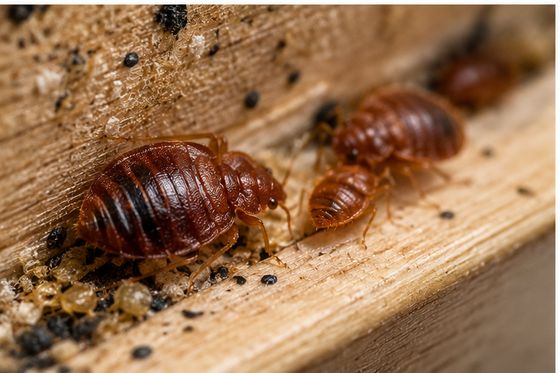
Treating your own flat properly when the problem does not stop at your front door.
Read more →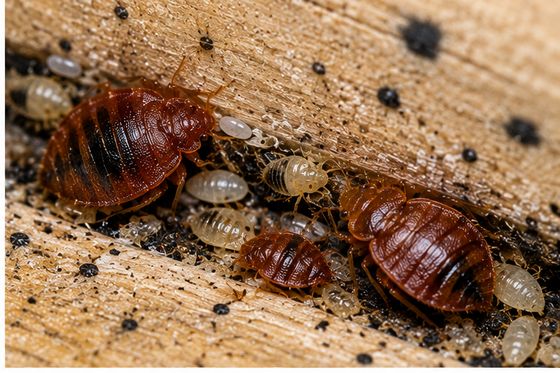
Flat Shares: Getting Everyone Ready
Four people, four rooms and one treatment day: how to share the preparation fairly.
Read more →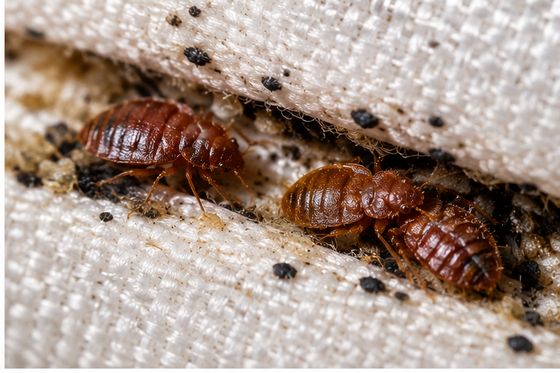
Bedbugs in a Headboard
Why the headboard is one of the first places we look, and what to do with one that has them.
Read more →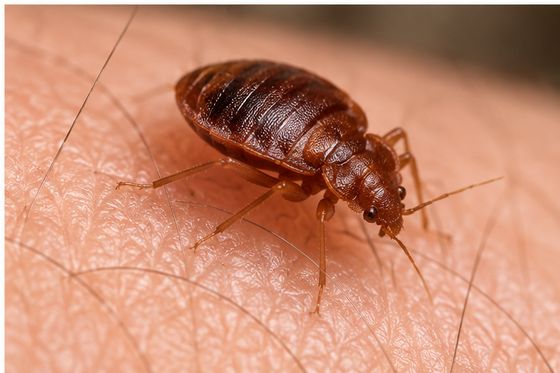
Bites: What Helps and When to See a GP
Plain information on bites: the pharmacist, the GP, and the signs that mean call 999.
Read more →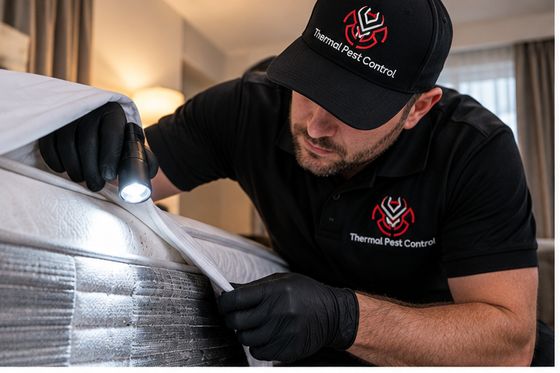
How Much Should You Clear?
Less than you fear, more than you might think: what to bag and what to leave alone.
Read more →Bedbug Control Southwark — Questions
Can you treat my flat if the one next door has bedbugs too?
Yes. We treat yours properly and can add residual protection at the edges nearest the shared walls, but the building will not be clear until the other flat is dealt with as well, so tell the landlord in writing.
Who pays if I rent from the council or a housing association?
It depends on the tenancy and the cause. Report it in writing and keep a copy. We are pest controllers, not legal advisers, but we can give you a written note of what we found.
Is heat or chemical better for a flat?
Neither in the abstract. Heat usually finishes in one visit and kills the eggs; chemical costs less and suits a contained problem, as long as you have us back for the follow-up. We tell you which suits your flat when you ring.
Should I throw the mattress out?
Not unless we advise it. Carrying an infested mattress down a stairwell or along a corridor is one of the easiest ways to spread them to other flats.
Should I sleep at a friend's until it is sorted?
Usually not. Sleeping elsewhere tends to spread them to the second address and makes the treatment at home less effective, because they wait for you to come back.
How much does it cost?
Treatments start at £220 and inspections at £120. The final figure depends on the number of rooms and heat or chemical, and you get it on the phone first.
Do you cover the whole borough?
Yes, every part of Southwark. Ring 0800 955 1018, which is free, or use the form and tell us where you are and what kind of building it is.
Bedbug Treatments in Southwark
Every service has its own page for Southwark: heat, chemical, hotels, commercial premises and inspections.
Covering Southwark
Tell Us About the Property
Tell us the kind of building, how many rooms are affected and whether anyone nearby has them too.