

How Bedbugs Actually Get In
A bedbug cannot fly or jump, and it does not travel far on its own. To reach a new home it needs a lift, and it gets one by hiding in a fold, a seam or a crack in something that is about to be carried. That is the whole mechanism, and it explains why a tidy flat can get them as easily as a messy one.
So the useful question is not how clean the place is, but what came through the door recently. In a borough of flat shares, Victorian houses split into several flats and a lot of second-hand buying and selling, the list is usually long: a sofa from a marketplace app, a new flatmate’s boxes, a friend’s rucksack after a festival, a returned parcel.
None of these is a reason to stop living normally. Most things that come into a home carry nothing at all. The point is knowing which ones are worth a look, and looking in the right places.
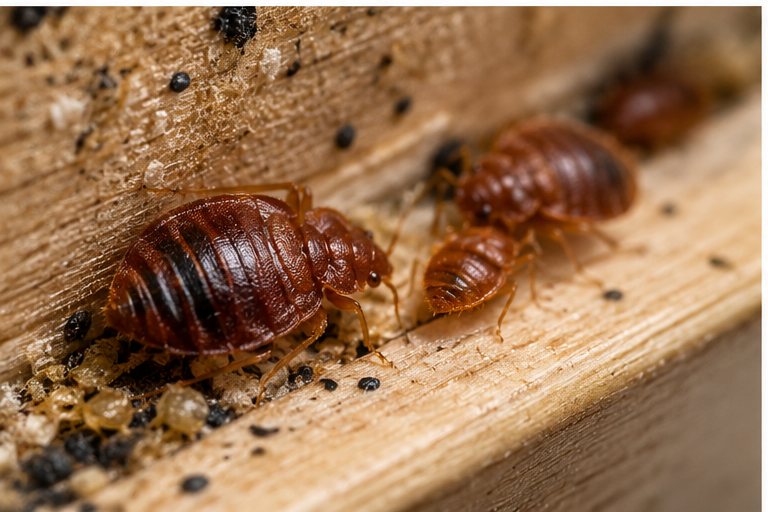
Second-Hand Finds: Check at the Door
Furniture with joints, slats, upholstery or a woven surface gives bedbugs the narrow gaps they like. Clothes are lower risk because they can be washed hot before they go near a wardrobe. The check that matters happens before the item comes inside, or at least before it reaches a bedroom.
- Turn furniture over in daylight and look along joints, screw holes, the underside fabric and any staples or tacks.
- Look for small dark spots, pale shed skins and tiny cream-coloured eggs, not just for live insects.
- Bag clothes, bags and fabric finds and put them through a hot wash or dryer before anything else.
- Leave anything you are unsure of in a hallway or on a balcony, not in the bedroom, until you have looked properly.
Old cane, wicker and rattan are the hardest things to check, and our guide to vintage and woven furniture goes through them. For worn and vintage clothing, see the Hackney Central page. A sofa or bed frame dumped on a landing is a different problem, covered on the Hoxton page.
When People Move In and Out
A room changing hands is the moment a problem is most likely to arrive or leave. Someone moving in brings a whole life in boxes and bin bags. Someone moving out takes theirs with them, and if their room had bedbugs, the next place gets them too.
Two habits help. Before a new person moves in, it is worth somebody looking at the empty room’s bed frame and skirting, because a room that has stood empty for a while can hide bugs that are waiting for a sleeper. And when anyone arrives, their bags and bedding go straight into the washing machine, not onto the mattress. The Dalston page covers the rolling flat share in full, and a bedbug inspection before a move settles the question when nobody is sure.
Treating a Home Where the Household Keeps Changing
The hardest part of bedbug treatment in a shared home is rarely the treatment. It is agreeing who needs to know, who does the preparation, and what happens when someone leaves halfway through. A few things make it simpler.
- Tell everyone who lives there, including anyone about to move in or out. A treatment that only one person prepares for rarely goes well.
- Agree one person to speak to us and to the landlord, so dates and instructions do not get lost between group chats.
- Put the report to the landlord or agent in writing, with the date you found them. Who arranges and pays depends on the tenancy and the cause.
- Nobody moves out early carrying bags and furniture from an affected room until it has been dealt with. Otherwise the problem simply relocates.
- If someone new is due in between treatment visits, tell us. It changes which rooms are done and when.
If the landlord only wants to treat one room of a shared house, the Clapton page explains what to ask. For a co-op or a house run by the people living in it, see Homerton.
Heat or Chemical When People Come and Go
Both routes work, and the choice is about how the household runs. Heat raises the room to a temperature bedbugs cannot survive, eggs included, so it is normally one visit. That suits a flat where someone is moving out next month and you want the problem gone before they pack. It needs everyone’s heat-sensitive things out of the rooms first, and it costs more. Our Hackney heat treatment page describes a shared flat heated in one day.
Chemical treatment is a residual insecticide in the seams, frames and skirtings. It does not reliably kill eggs, so it is usually two visits, sometimes three, around 10 to 14 days apart. Each visit is one to two hours, and rooms are usable again once dry. It costs less, but it asks the household to stay put and prepare properly more than once. The Hackney chemical treatment page covers living between visits.
Guests, Trips and Deliveries
Not every route in is a flatmate or a sofa. Staying away from home is a common one, and if you find bugs in a rented room on a trip, our short-let guide covers what to do there and how to get home clean. Parcels worry people more than they need to: can bedbugs arrive in parcels sets out which deliveries are worth a second look. Friends’ coats and bags heaped on a bed during a gathering have their own page, Hackney Wick.
Knowing What You Have Found
Before anyone agrees on a plan, be sure it is bedbugs. People describe them as black, brown, red or almost see-through, and all of those can be right depending on the bug’s age and when it last fed. What colour are bedbugs explains why, and the life cycle of a bedbug shows how eggs and young nymphs decide how treatment is timed.
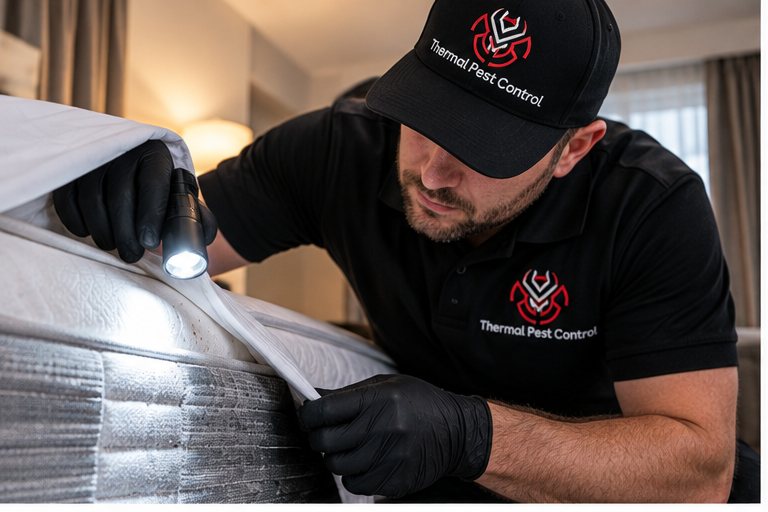
Catch one in a jar or on clear tape if you can. A photo of a mattress seam also helps. If the evidence is unclear, an inspection from £120 answers it before anyone pays for treatment.
Areas We Cover in Hackney
The area pages each take a single situation. Shoreditch is about studios and shared workspaces with sofas, and Stoke Newington about a young child’s bedroom and keeping bedtime going. The others are listed below.
Bedbug Control Across Hackney
Each area page deals with one situation, so start with whichever sounds most like yours.
Bedbug Advice for Hackney
Written up in full for people in the borough, and worth reading before the treatment day.
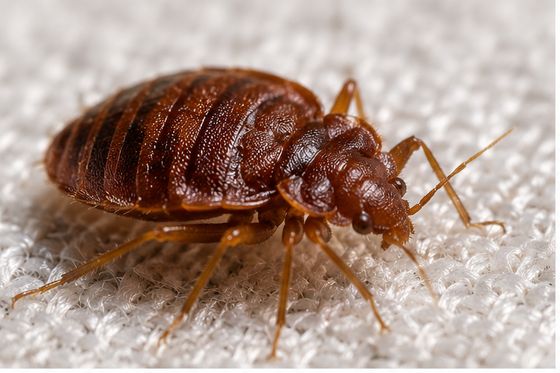
The Life Cycle of a Bedbug
Egg, five nymph stages and adult, and why the gaps between treatment visits are set by the cycle.
Read more →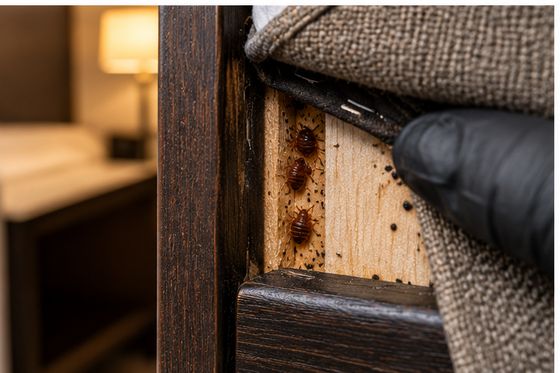
Wicker, Rattan and Vintage Furniture
How to check a woven or old piece before it comes in, and whether to treat it or let it go.
Read more →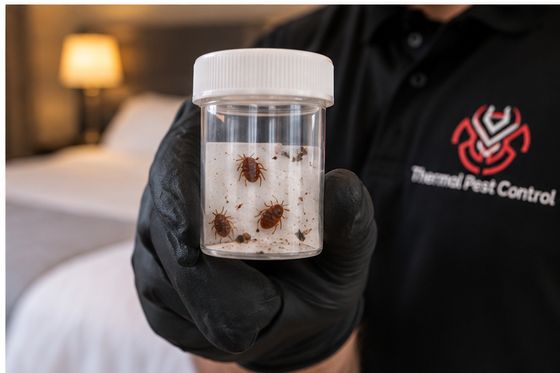
Parcels and Deliveries
The realistic risk from boxes, returns and furniture deliveries, and what is worth checking.
Read more →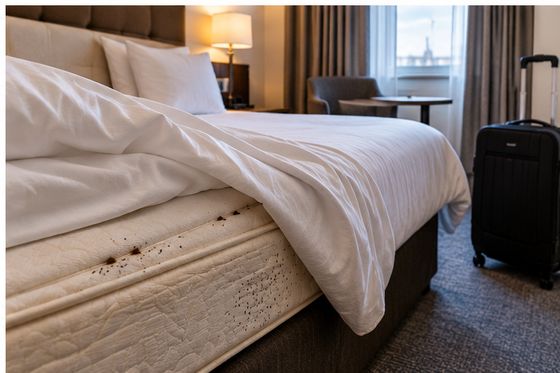
Bedbugs in a Short Let
Finding them where you are staying, telling the host, and getting home without them.
Read more →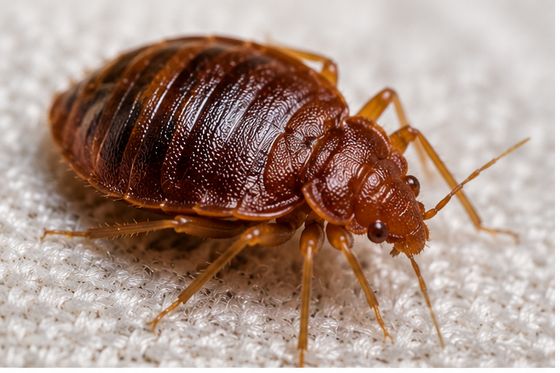
What Colour Are Bedbugs?
Pale nymphs, brown adults, red after a meal, and why the colour changes so much.
Read more →Bedbug Control Hackney — Questions
How much does bedbug treatment cost?
Treatments start from £220 and inspections from £120. The final price depends on how many rooms are involved and whether it is heat or chemical, and we give it on the phone before anything is booked. Heat costs more than chemical.
One flatmate has bites and the rest of us do not. Is it only their room?
Possibly, but bites vary a lot and some people do not react at all. Check every bed in the flat, and tell us which rooms show signs when you call.
I bought a second-hand sofa and now have bites. Should I put it out on the street?
Not before speaking to us. Dragging it through the flat and down the stairs can drop bugs along the way, and a sofa left outside may end up in someone else’s home. It can often be treated where it is.
Should I sleep on the sofa or at a friend's place until it is sorted?
It usually makes things worse. Bedbugs follow the sleeper, so moving tends to spread them to a second room or a second home. Stay in your own bed until it is treated.
Our flatmate is moving out next week. What should they do?
Tell us before the move. Their clothes and bedding should be washed hot and bagged, and furniture from an affected room is better treated before it goes anywhere.
Who pays when you rent a room in a shared flat?
It depends on the tenancy and on how the bedbugs arrived. Report it to the landlord or agent in writing straight away. We are pest controllers, not legal advisers, but we can talk to whoever arranges the work.
Do bedbug bites need medical attention?
For itching or a skin reaction, a pharmacist or GP can advise. Call 999 if anyone shows signs of a severe allergic reaction.
Bedbug Treatments in Hackney
Every service has its own page for Hackney: heat, chemical, hotels, commercial premises and inspections.
Covering Hackney
Tell Us About the Property
Tell us how many people and rooms are in the home and which beds show signs, and we will call back with a price.