

Two Kinds of Bed, One Problem
In the middle of London, the bed you sleep in every night is rarely far from a bed that somebody different sleeps in every night. Hotels, serviced flats, short lets, rooms above a pub, a friend’s sofa during a long run of work: they are all within a short walk of ordinary homes, and people move between them constantly.
A bedbug has no interest in either kind of bed as such. It wants a sleeping person and a tight crack to hide in nearby. When a bag is put down beside one bed and picked up again, whatever crawled into its seams goes along. That is the whole mechanism, and almost everything useful on this page follows from it.
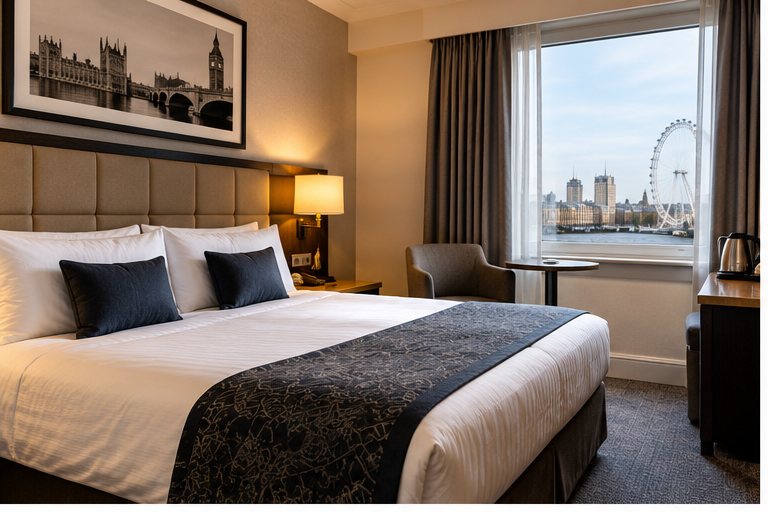
Coming Home From Somewhere You Stayed
Residents pick bedbugs up the same way visitors do: a work trip, a weekend away, a few nights in a hotel while the boiler was replaced. The risky moment is the first hour back, when the case goes on the bed and the clothes go straight into the wardrobe.
- Open the bag on a hard floor in the hall or kitchen, not on a bed or sofa.
- Put the clothes, worn or not, into a hot wash or a hot tumble dryer before they are put away.
- Look along the zip channels, pockets and lining seams of the bag in good light.
- Store the empty case away from the bedroom rather than under the bed.
- If you noticed bites while you were away, say so when you ring; it tells us where to look first.
Arriving by coach with luggage that has spent hours in a hold alongside everyone else’s is its own situation, covered on the Victoria page. A long summer stay in a rented flat is on the Mayfair page.
When Your Home Is the Place People Stay
Plenty of central flats are let by the night or the week, and plenty of owners live in one and let another. Guests arrive with luggage from all over the world, and any one of them can leave something behind without knowing it. Many people get no reaction to bites, so a guest who brought them in may not have felt a thing.
The practical answer is a routine rather than a panic: strip the bed between guests, look at the mattress seams and the headboard while the bed is bare, and keep a luggage rack so cases stay off the bed. When something looks wrong, an inspection before the next booking tells you where you stand. Our inspections page covers checks between guests, and the hotel page covers hotels with rooms turning over every day.
Treating a Flat Inside a Busy Building
Most homes here share walls, floors and staircases with other homes. Mansion blocks have porters, lifts and service risers; converted houses have a shared hall; estates have long corridors and pipe runs. None of that stops a treatment working, but it changes how it is planned.
- Tell us who else is involved: a porter, a managing agent, a landlord, or a neighbour who has mentioned bites.
- Keep the affected furniture where it is. Carrying a mattress down a common stair or in a shared lift is one of the easiest ways to pass the problem on.
- Agree access in advance if the block has rules about equipment or working hours; if you are unsure what the building needs, ask when you ring.
- If the flat next door has signs too, treating both is far more useful than treating one twice.
With heat, the room is taken to a temperature bedbugs cannot survive, eggs included, but nothing stays behind once it cools. In a shared building that is why a light residual is sometimes placed along the edges afterwards. Chemical treatment leaves a residual in seams, frames and skirtings, and takes two or three visits because it does not reliably kill eggs. The borough pages on heat treatment and chemical treatment set out what each one looks like in flats and period homes here.

Choosing Between Heat and Chemical
Heat is usually one visit, takes most of a day, and costs more. Heat-sensitive things come out of the room first: aerosols, candles, medication, vinyl, plants, some electronics, and instruments. If your flat is full of pot plants or you play for a living, read whether bedbugs live in houseplants and bedbugs in instruments and cases before the day.
Chemical costs less and each visit is one to two hours, but it is a course rather than a single day. You strip and hot-wash the bedding and clear the floors before each visit, and use the room again once the surfaces are dry. Which one suits depends on the rooms, the building and how the household lives, and we will talk it through on the phone.
The First Night and the Weeks After
It often starts with something spotted in the bed late at night. What to do in those first hours, from catching the bug to what to strip, is in found a bedbug on your pillow. The short version: keep it, keep sleeping where you sleep, and ring in the morning.
Once treatment is booked, the question people ask most is when life goes back to normal. When you can sleep in your bed again answers that for each route. And if an inspection comes first, reading a bedbug inspection report explains what the findings mean and what they do not.
Areas We Cover
Each area page takes one situation. Soho covers short-term digs during a West End run, Pimlico estate flats with district heating pipes between homes, St James’s caretakers’ flats inside larger buildings, and Belgravia houses with staff rooms in the basement. Marylebone is for families staying nearby while someone is in hospital, and Paddington for hotel staff in staff accommodation.
Bedbug Control Across Westminster
Each area page deals with one kind of stay or one kind of home, so start with the one nearest your own.
Bedbug Advice for Westminster
Written up in full for people in the borough, and worth reading before the treatment day.

Can Bedbugs Live in Houseplants?
Why soil is not their home, what is usually in the pot instead, and where plants go before heat.
Read more →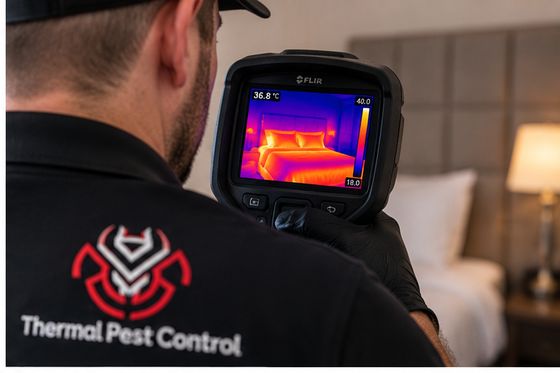
Reading an Inspection Report
What each section says, what a clear result really tells you, and the next step either way.
Read more →
When Can You Sleep in Your Bed Again?
After heat, after chemical, and why your own bed is the right place to be between visits.
Read more →
Found a Bedbug on Your Pillow?
Catch it, keep it, leave the bed where it is, strip what matters, and ring in the morning.
Read more →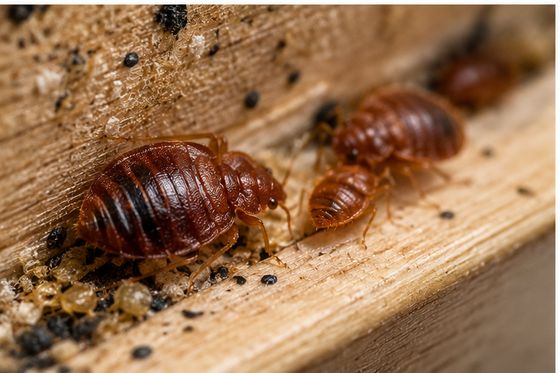
Bedbugs in Instruments and Cases
Plush linings and gig bags, the instrument by the bed, and where it goes on heat day.
Read more →Bedbug Control Westminster — Questions
What will treating my flat cost?
Treatment starts from £220, and an inspection from £120. Heat costs more than chemical, and the number of rooms sets the rest; you get the exact figure over the phone before anything goes in the diary.
I think I brought them back from a hotel. Should I tell the hotel?
It is reasonable to, with dates and the room number, and to keep any bug you caught. For your own home, what matters is where they are now, so check the bed you have slept in since and ring us.
Can you treat a flat without the rest of the building knowing?
We treat the rooms you book. Whether the porter, managing agent or neighbours need to know is often a matter for the building’s own rules, and in a shared building telling the people next door usually helps everyone.
Should I stay in a hotel until it is sorted?
Usually not. The bedbugs stay at home and get hungrier, some may travel with you, and the room is easier to treat when someone is still sleeping in it.
Do I have to throw out the mattress?
Not unless we advise it. Carrying it through a common hall or down in a lift spreads them, and a new mattress on an untreated frame picks them straight back up.
Should I see someone about the bites?
Reactions differ from person to person, and plenty of people show no marks. A pharmacist or GP is the place for itching or swelling, and 999 is the number if anyone has signs of a severe allergic reaction.
I rent my flat. Who arranges treatment?
It turns on the tenancy agreement and on how they got in. Put it to the landlord or letting agent in writing straight away. We can speak to whoever books the work, though we are pest controllers rather than legal advisers.
Bedbug Treatments in Westminster
Every service has its own page for Westminster: heat, chemical, hotels, commercial premises and inspections.
Covering Westminster
Tell Us About the Property
Tell us the rooms involved and what kind of building the flat is in, and we will ring back with a price.