

When It Is Not Your Building
An owner who finds bedbugs picks up the phone and books a treatment. A renter has more people in the picture: a landlord or letting agent, perhaps flatmates on separate contracts, perhaps other households upstairs and downstairs in the same converted house. None of that stops the job being done. It just means the order you do things in matters more.
Much of the borough is Victorian terraces split into flats, plus large estates and newer towers around Vauxhall. Plenty of people living in them are on a one-year contract or less. That combination, a shared structure and a short stay, shapes every piece of advice below.
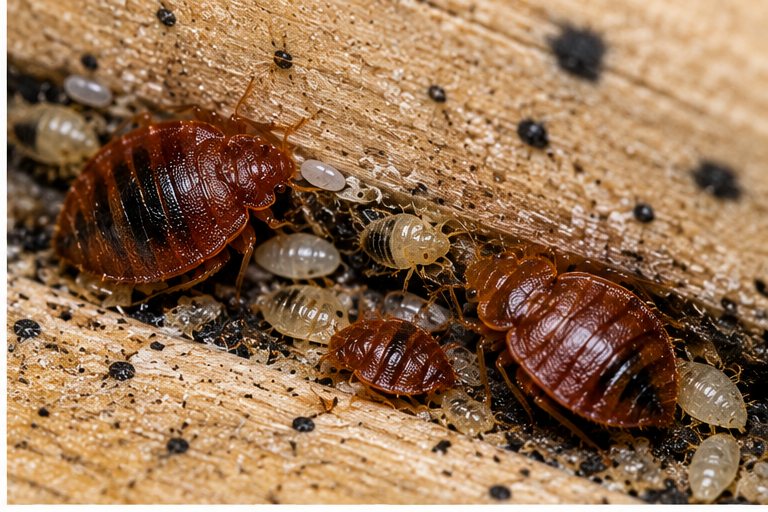
Step One: Put It in Writing
Before anything else, send the landlord or agent a short message or email. Say what you found, where, and when you first noticed it, and attach a photo if you have one. A text in the moment is fine; the point is that there is a dated record.
- Catch a bug if you can, in a jar or on clear tape, and photograph any dark spotting on the mattress seams.
- Write to the landlord or agent the same week, with the photos.
- Tell anyone you share a kitchen or front door with, so they can check their own beds.
- Ring us on 0800 955 1018 for a price, whoever ends up paying it.
- If nobody is certain what the insect is, book an inspection before anyone spends money on treatment.
Who pays depends on the tenancy and on how the bedbugs got in, and that can take time to settle. We are pest controllers, not legal advisers. What we can say is that arguing about the cause while the bugs breed makes everyone’s bill bigger. If the landlord’s first reply is that you must have brought them, read when the landlord says you brought them in.
In a House Share
In a shared house each tenant usually has one bedroom and shares the rest. Bedbugs tend to start in one bedroom, but hallways, sofas and a spare bed used by guests give them routes into the others. The useful thing each housemate can do is look at their own bed tonight: the seams, the corners of the frame, the back of the headboard.
A treatment plan for a share usually covers the affected room and anything shared that people sit on for long, such as the sofa. Where the landlord runs the house as a licensed house in multiple occupation, the London guide to treating HMOs and serviced apartments explains how that differs. When bites start turning up in a second bedroom, the Herne Hill page covers what that tells you.
In a Flat Within a Converted House
A conversion puts two, three or four households behind one front door, sharing floorboards, party walls and sometimes a staircase. Bedbugs can use gaps around pipes, skirtings and cracked plaster to move between flats, so a treatment that stops at your walls may not be the end of it if the flat below has them too.
Tell the landlord if you suspect the source is next door rather than your own luggage; it changes who needs to be involved. Our Lambeth heat treatment page explains how heating one flat inside a shared house is done, and Kennington covers the gaps in older walls.
Heat or Chemical When You Rent
Both routes work, and the choice often comes down to time. Heat raises the whole room to a temperature bedbugs cannot survive, eggs included, so it is usually one visit taking most of a day. It costs more. For a renter who is leaving soon, or who cannot keep taking days off for repeat appointments, one visit is often the deciding point.
Chemical treatment uses a residual insecticide in seams, frames and skirtings. It does not reliably kill eggs, so expect two visits, sometimes three, about 10 to 14 days apart, each lasting one to two hours. It costs less and suits one contained room, and on estates it may be what the housing provider arranges. The Lambeth chemical treatment page goes through the course of visits in a large block.
Moving Out Soon
If your tenancy is ending, the temptation is to pack up and leave the problem behind. The trouble is that boxes, bags and furniture are exactly how bedbugs travel, so an untreated room tends to move house with you. Treating before you go is almost always less work than treating the next place after you arrive.
- Get the room treated before packing starts, not after.
- Wash and dry clothes and bedding hot before they go into boxes.
- Check the seams and joints of any furniture you own before it is loaded.
- Leave behind furniture that belongs to the landlord; it is theirs to deal with.
- At the new place, unpack in a room with a hard floor rather than the bedroom.
The Stockwell page looks at the move from the other side, through the eyes of someone who carries furniture for a living.
Questions Renters Ask Us Most
A handful of questions come up in almost every call from a rented room, and each has its own guide. Can bedbugs live in a memory foam mattress is for anyone who assumed foam was immune. Does clutter make bedbugs worse is for small rooms packed with a whole life’s belongings. Can you get bedbugs from trying on clothes deals with shops and second-hand finds, and bedbugs or dust mites is for itching with nothing to see.
Areas Across the Borough
Each area page takes a single situation. Brixton is about handling donated goods, Clapham fitted wardrobes and built-in beds, Vauxhall a landlord hearing about bedbugs from an end-of-tenancy cleaner, Waterloo a building manager inspecting every flat, and Streatham a new partner staying over.
Bedbug Control Across Lambeth
Each area page takes one situation renters meet, so start with the one nearest yours.
Bedbug Advice for Lambeth
Written up in full for people in the borough, and worth reading before the treatment day.
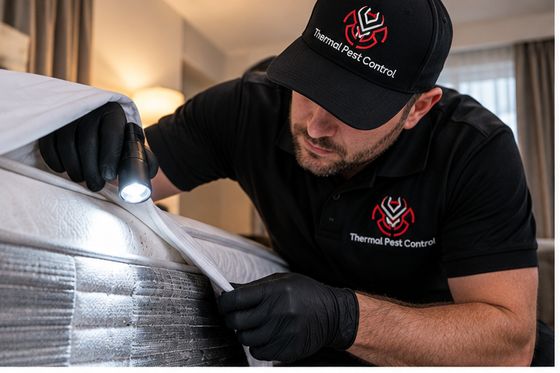
Memory Foam Mattresses
Foam is not a hiding place, but the cover, the seams and the base under it are.
Read more →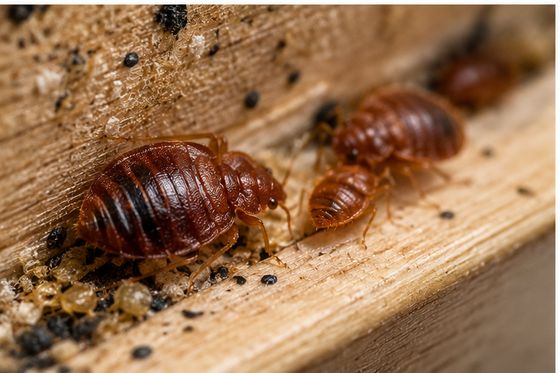
Clutter and Bedbugs
Clutter does not bring bedbugs in, but it gives them cover. What to clear and what to leave.
Read more →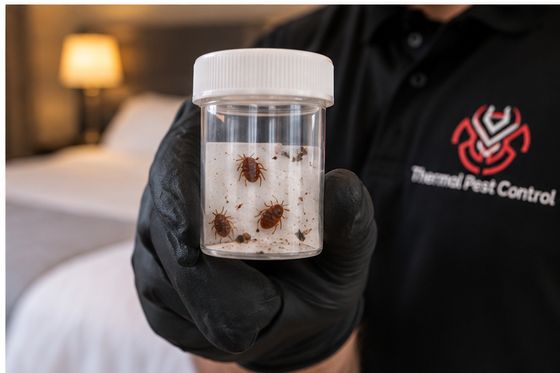
When the Landlord Blames You
Why arguing over the cause rarely settles it, and how to get treatment moving meanwhile.
Read more →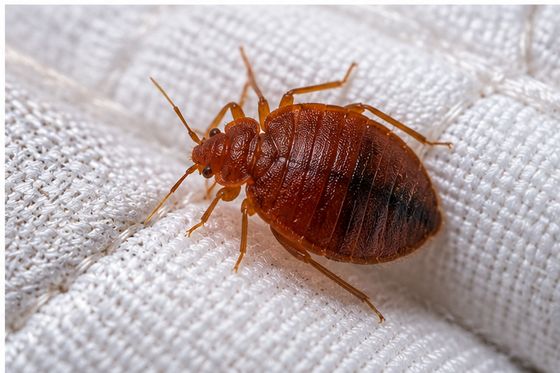
Trying On Clothes
The honest risk from changing rooms and second-hand clothes, and a routine that covers it.
Read more →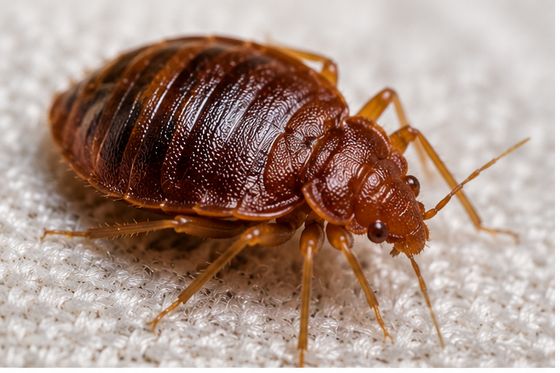
Bedbugs or Dust Mites?
Two very different problems that get confused. What each leaves behind and what to do.
Read more →Bedbug Control Lambeth — Questions
What does bedbug treatment cost?
Treatments start from £220 and inspections from £120. The figure you pay depends on the number of rooms and on heat or chemical, and we give it on the phone before anything is booked, whoever is paying.
My landlord wants to use their own contractor. Is that a problem?
Not for us. What matters is that treatment happens soon and covers the right rooms. Ask what is being treated and when, and keep that reply with your written report.
Can I book it myself and ask the landlord to pay me back?
You can book it, but whether the cost comes back to you depends on your tenancy and the cause. Agree it in writing first if you can. We are not legal advisers.
My flatmate refuses to let anyone into their room. What happens?
Treating only some bedrooms in a shared house leaves somewhere for them to survive. Tell the landlord, who has the wider picture, and we can talk the plan through with whoever is organising it.
Should I sleep on the sofa until it is treated?
Better not. Bedbugs follow people, so changing where you sleep usually gives them a second place to settle. Keep to your own bed and hot-wash the bedding.
I am moving out next week. Is it worth treating?
Usually yes. Heat can often be done in a single visit, and treating before you pack stops your boxes carrying them to your next home.
Do I need to see a doctor about the bites?
People react to bites in very different ways, and some show no mark at all. A pharmacist or GP can help with itching or a rash. Ring 999 for any sign of a severe allergic reaction.
Bedbug Treatments in Lambeth
Every service has its own page for Lambeth: heat, chemical, hotels, commercial premises and inspections.
Covering Lambeth
Tell Us About the Property
Tell us whether you rent, how many rooms are affected and when your tenancy ends, and we will ring back with a price.