

Bedbugs Where Most People Are Visitors
A bedbug needs somewhere to hide close to a person who stays still for hours. In a district made mostly of desks, hotel beds and short stays, that means the insects tend to be travelling rather than settled. They come in with a suitcase, a coat or a work bag, and they leave the same way.
That has two consequences. Where somebody sleeps, in a flat or a hotel room, a proper infestation can take hold and needs treating like anywhere else. Where nobody sleeps, such as an office floor, a single insect is often a sign of a problem in someone's home rather than in the building, and the answer starts with finding out what you actually have.
Either way, the first useful step is the same: catch the insect if you can, photograph any spotting, and ring us before anything gets thrown away or sprayed. An inspection from £120 confirms it before any money goes on treatment.
Homes in Managed Buildings
The people who live here are mostly in large estates or modern blocks with a concierge, an estate office or a managing agent. None of that makes bedbugs harder to kill, but it does change the order things happen in. Somebody has to let us in, somebody may need to know about the fire alarm, and somebody will want to know whether the flats either side should be looked at.
- Tell us who manages the building and whether contractors need to be booked in with them.
- Mention any restrictions on lifts, loading or working hours.
- Say whether the flat has smoke or heat detectors that are linked to the rest of the block, as that matters for heat.
- Report it to the estate office or agent in writing, so there is a record.
The Barbican page covers being one flat among many on a large estate, and Smithfield deals with converted buildings with sealed windows and shared ventilation. If a whole day out of the flat is not possible for you, read Golden Lane first.
Heat or Chemical for a City Flat
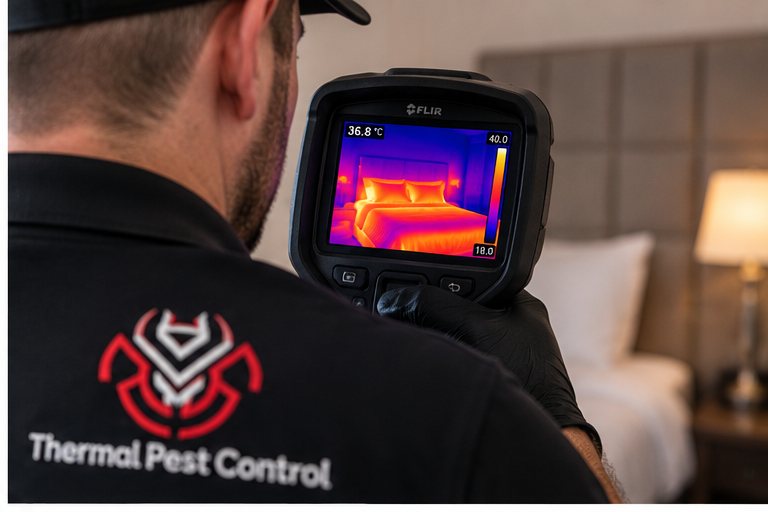
Both routes work, and both start from £220. Heat raises the room to a temperature bedbugs cannot survive, checks it with a thermal camera, and kills the eggs too, so it is usually one visit that takes most of a day. It costs more, and in a managed block it needs more planning with the building. Chemical treatment is a course of shorter visits, usually two and sometimes three, about 10 to 14 days apart, using a residual insecticide in seams, frames and skirtings.
What usually decides it here is access and time. Heat asks for one long day with the building's cooperation; chemical asks for several short slots. Our local heat treatment page and chemical treatment page go through each one in a managed building, and the exact price comes on the phone once we know the number of rooms.
Hotels and Serviced Apartments
A large share of the beds in the district belong to hotels and serviced apartments rather than residents. When a guest reports bites, the room has to be dealt with and the guest has to be looked after, often at the same time. The hotel page for the area covers getting rooms back into use, Tower Hill covers the guest who is still staying, and Aldgate covers long corporate stays where an employer is paying.
Offices and Workplaces
One bug found on a chair can empty a floor of goodwill by lunchtime. It is worth slowing down: in an office nobody sleeps, so one insect usually means one was carried in. That calls for a calm look before anyone is told anything alarming. Bank walks through the first day for a business, and Liverpool Street covers gyms, changing rooms and lockers.
Where treatment is needed, office work is normally done out of hours, concentrating on soft seating, meeting rooms and the places bags and coats sit. The commercial page sets out how that is arranged.

What People Carry In and Out
Because so many people pass through, the questions we are asked most here are about belongings rather than bedrooms. Whether a commuter can take them home is answered in can you bring bedbugs home from the office. The case you travelled with is covered in how to treat a suitcase after bedbugs, and shared coat rails in can bedbugs live in coats and cloakrooms.
Two myths come up often enough to have guides of their own: that leaving things out in the cold will sort them (does cold kill bedbugs) and that you would smell an infestation long before you saw it (do bedbugs smell).
Before You Ring Us
- Keep any insect you find, in a sealed jar, a zip bag or pressed onto clear tape.
- Photograph dark spotting on mattress seams, chair seams or the bed frame.
- Note who manages the building, and whether you need to book contractors in.
- Count the rooms that might be involved, including any sofa someone sleeps on.
- Carry on sleeping where you normally sleep, and leave furniture where it is.
- Call 0800 955 1018 for a price and a date.
Areas We Cover in the City of London
Each area page takes a single situation. Moorgate is for the weekday flat that sits empty at weekends; the others are linked above and in the grid below.
Bedbug Control Across City of London
Each area page deals with one kind of home, building or situation, so choose the closest match.
Bedbug Advice for City of London
Written up in full for people in the borough, and worth reading before the treatment day.
Bringing Bedbugs Home From Work
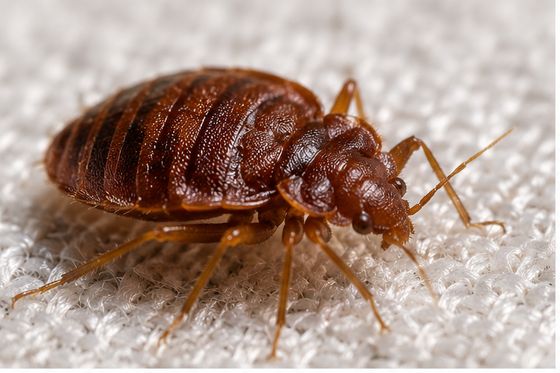
An email says bedbugs were found at work. What that means for your coat, your bag and your bed.
Read more →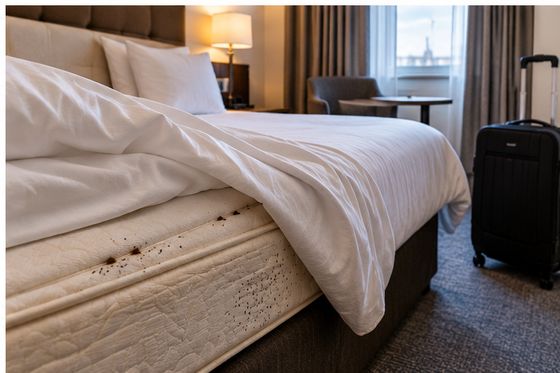
Treating a Suitcase
Hard shells, soft cases, wheels and handle tracks: what to do with luggage that may have bedbugs.
Read more →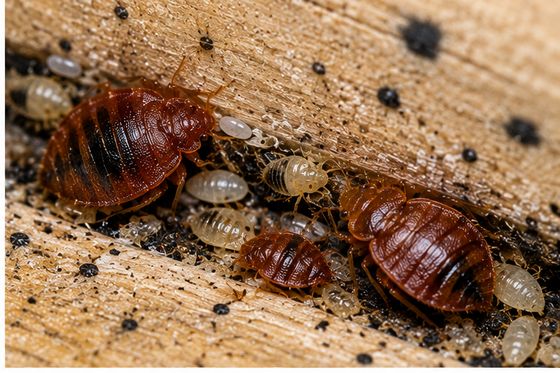
Coats and Cloakrooms
Why a coat can carry a bedbug, why a cloakroom rarely holds many, and what to do after a scare.
Read more →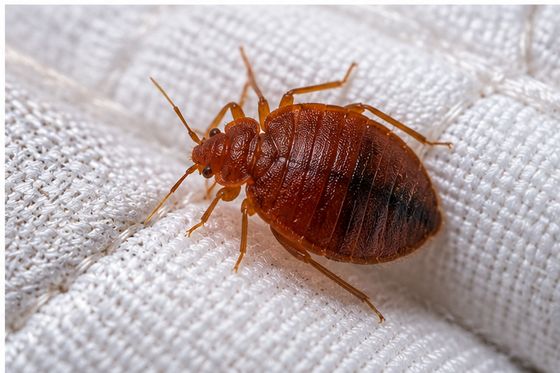
Does Cold Kill Bedbugs?
Freezing small items can work. Opening the windows in winter will not. Here is the difference.
Read more →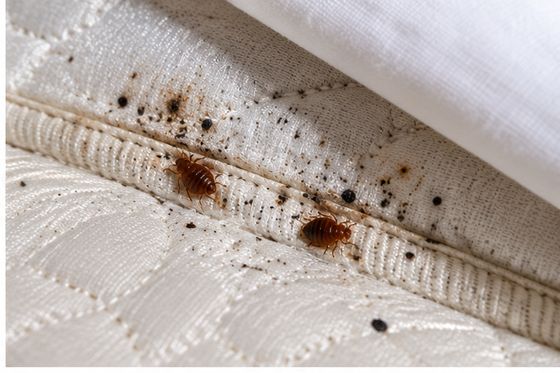
Do Bedbugs Smell?
A heavy infestation can smell sweet and musty. Most never do. Here is what the smell does and does not tell you.
Read more →Bedbug Control City of London — Questions
How much does bedbug treatment cost?
Treatments start at £220 and inspections start at £120. The figure depends on the number of rooms and on heat or chemical, and we give it to you on the phone before anything is booked.
Does the building manager need to know?
In most managed blocks, yes, because they control access and often the fire system. Telling them in writing also means neighbouring flats can be checked if needed.
I rent my flat. Who arranges and pays for treatment?
That depends on the tenancy and on how the bedbugs got in. Report it to your landlord or agent in writing. We are pest controllers, not legal advisers, but we will talk to whoever is arranging it.
Can you treat an office outside working hours?
Office work is normally arranged for evenings or weekends so the space is back in use for the next working day. We agree the timing with whoever runs the building.
Should I throw out the mattress?
Not unless we advise it. Carrying it through corridors and lifts spreads bedbugs, and a new mattress on an untreated frame simply picks them up again.
Do bedbug bites need a doctor?
Bites vary and some people do not react at all. A pharmacist or GP can help with a skin reaction, and call 999 if anyone shows signs of a severe allergic reaction.
Can I stay somewhere else until it is sorted?
It usually spreads them, because they travel in your bags and clothes. Staying put and sleeping in your own bed until treatment is normally the better choice.
Bedbug Treatments in City of London
Every service has its own page for City of London: heat, chemical, hotels, commercial premises and inspections.
Covering City of London
Tell Us About the Property
Tell us the building, how many rooms, and who manages access, and we will ring back with a price.