

Less Has to Move Than You Think
The picture most people have is of emptying the bedroom completely, carrying everything out and stacking it somewhere else for a fortnight. In a small flat that is impossible, and the good news is that it is also unnecessary. Neither of our treatments needs an empty room.
Heat treats the contents along with the room. The wardrobe full of clothes, the drawers, the books on the shelf and the bed itself are all part of what gets heated, so they stay put. What leaves is a short list of things the heat would damage. Chemical treatment works on the structure and the furniture joints, so the furniture stays where it is and we treat around and behind it; what changes is the floor, which has to be clear, and the bed, which has to be stripped.
So the real question in a compact home is not where the whole bedroom goes. It is where a few bags and boxes go for a day, and that is a much easier problem.
Preparing a Small Flat for Heat
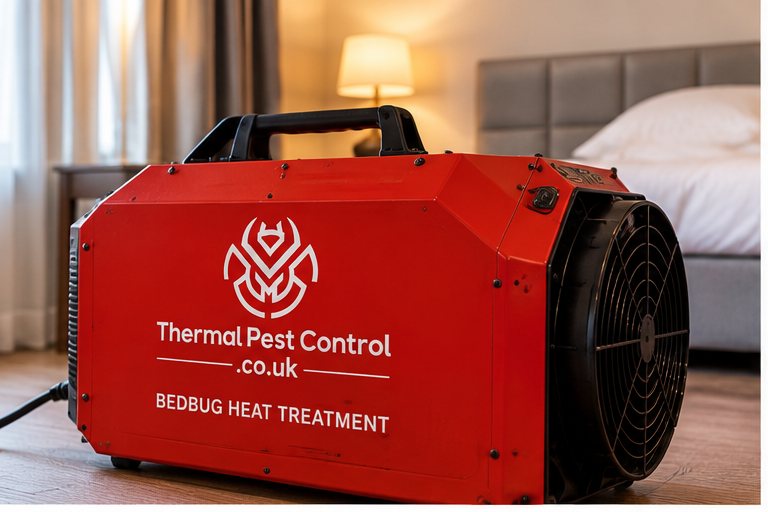
For a heat visit, the things that come out are the ones that cannot take the temperature: aerosols, candles, medication, vinyl records, plants and some electronics. Pets leave the flat for the day too. We send the full list before the date, and the London guide to preparing for heat treatment covers the week leading up to it.
In a studio or a one-bedroom flat, heat usually takes in the whole home, because the bed, the sofa and the kitchen share one or two rooms. That settles the storage question: nothing in the treated rooms needs moving to protect it from the bedbugs, only from the heat. A single carrier bag of toiletries and medicines, a box of candles and aerosols, and the houseplants are what most small flats end up setting aside.
- Put the heat-sensitive items in a bathroom or on a balcony if they are not being treated, or take them with you for the day.
- Leave clothes in the wardrobe and drawers, loosely packed rather than crammed, so warm air can get through them.
- Do not bag clothes up and carry them out; they are safer left in the room.
- Ask about a fridge or freezer in the same space when you call, so we can plan around it.
The Islington heat treatment page explains what heating one flat inside a converted house involves.
Preparing a Small Flat for Chemical Treatment
Chemical treatment asks for a different kind of effort. Bedding comes off and goes through a hot wash. The floor is cleared so the skirtings and the edges of the room can be reached, and anything stored under the bed comes out so the frame and the carpet edge beneath it can be treated. The furniture itself stays in place.
That under-bed storage is the hard part in a small flat, because it is usually full. Treat everything that comes out as possibly carrying bedbugs:
- Empty the space under the bed straight into bags, tying each one as it fills.
- Wash or tumble-dry fabric items on the hottest setting the label allows before they go anywhere else.
- Keep non-washable items sealed and stack them on a hard floor away from the bed, such as the kitchen or the bathroom.
- Leave them sealed until we tell you the room is ready, then check them before they go back.
- Repeat before each visit, since chemical treatment is usually two visits and sometimes three, about 10 to 14 days apart.
The treated room can be used again once the surfaces are dry. The Islington chemical treatment page covers the course of visits in a block, including access and the neighbouring flats.
Where the Bags Should Not Go
When space is tight, bags drift to wherever there is a gap. A few of those gaps make things worse:
- The sofa, which is the next place a bedbug would choose after the bed.
- A friend’s flat or a relative’s spare room, unwashed.
- A self-storage unit or a car boot, where they sit untreated and come back later.
- A shared hallway, stairwell or bin store, which moves the problem into the rest of the building.
Hard floors, sealed bags and a short distance from where they came out are what you are aiming for. If the only hard floor is the kitchen, the kitchen is where they go.
Washing Without Your Own Machine
Plenty of small flats have a washer-dryer that takes one load at a time, or no machine at all. Heat is what does the work on fabric, so what matters is getting things hot, not getting them through quickly.
Bag bedding and clothes in the flat, carry them sealed to the launderette or the communal laundry, and tip them straight into the drum without sorting them on a table first. Dry on hot. Bring them home in a clean bag, not the one they went out in. If you are doing it in batches, do the bedding first, since that is closest to where the bedbugs are.
Choosing Heat or Chemical When Space Is Short
For a lot of compact homes the storage problem tips the decision. Heat means a single day with a short removal list and no bags to wash and store between visits. Chemical costs less, but it means clearing the floor and the under-bed space two or three times over a few weeks, with washed things stacked somewhere in the meantime.
Treatments start from £220, and heat costs more than chemical. The final figure depends on how many rooms are treated and which route you choose, and we give it to you on the phone before anything is booked. If you are not certain it is bedbugs at all, an inspection from £120 answers that first.
Guides for Islington Homes
Five guides deal with questions that come up in small homes. Why bedbugs seem more common than they used to be looks at how they get around. Leather furniture covers the sofa that doubles as the living room. Having visitors deals with guests in a home with no spare bed, bunk beds and cabin beds with the space-saving beds that suit small rooms, and shoes with the rack by the front door.
Areas We Cover in Islington
The area pages each take one kind of home or one situation. Angel deals with mezzanines and raised sleeping platforms, Finsbury Park with shared houses where rooms are locked, Canonbury with a room full of clothes that cannot be washed, and Clerkenwell with a new bed on order. For period features, see Barnsbury.
Bedbug Control Across Islington
Each Islington area page covers one kind of home or one situation, so start with the closest match.
Bedbug Advice for Islington
Written up in full for people in the borough, and worth reading before the treatment day.
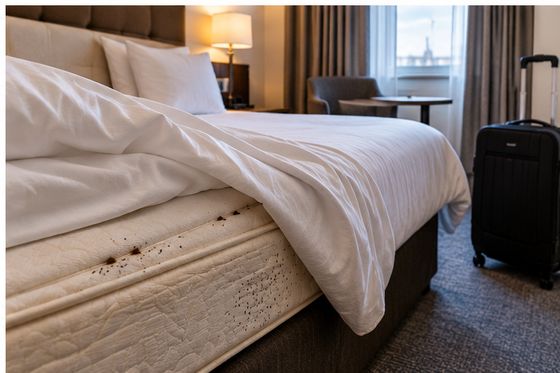
Why Bedbugs Seem More Common
Travel, second-hand trade, shared buildings and shop sprays that stopped working.
Read more →
Bedbugs and Leather Furniture
Why the smooth hide matters less than the seams, buttons and the frame underneath.
Read more →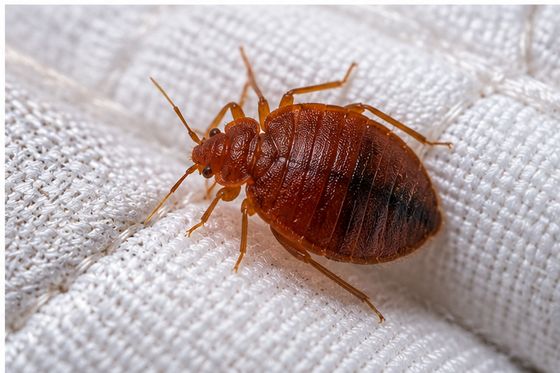
Having Visitors While You Have Bedbugs
Whether to put guests off, what to say, where their coats go, and when to invite them back.
Read more →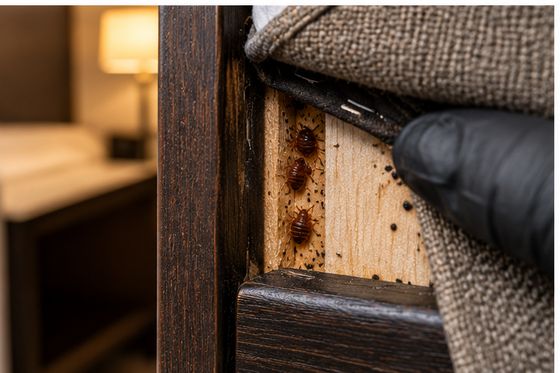
Bunk Beds and Cabin Beds
Joints, slats, ladders, storage drawers, and what it means when two people share one frame.
Read more →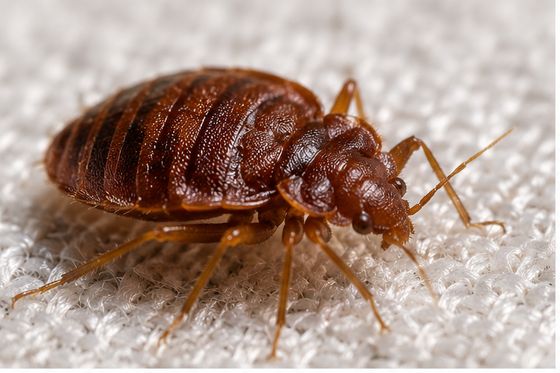
Can Bedbugs Live in Shoes?
How likely it really is, the rack by the bed, trainers and slippers, and what to do.
Read more →Bedbug Control Islington — Questions
How much does bedbug treatment cost in a small flat?
Treatments start from £220 and inspections from £120. The price depends on the number of rooms and on heat or chemical, and we tell you on the phone before anything is booked.
Do I have to empty my wardrobe before heat treatment?
No. Clothes stay in the wardrobe and drawers and are treated where they are. Leave them loosely packed so the warm air can move through.
I have nowhere to store things. Can I leave them at a friend's place?
Not unwashed. Anything that leaves the flat before treatment can take bedbugs with it. Wash or tumble-dry fabric first, and keep everything else sealed in the flat on a hard floor.
Should I get rid of furniture to make space?
Please do not, unless we advise it. Carrying a bed or sofa through the building spreads them, and the furniture can usually be treated.
My bed is in the living room. Does that change anything?
It usually means treating the whole space rather than one room, which is often a reason to choose heat. Tell us the layout when you call and we will say what fits.
Can I stay in the flat on the day?
For heat, everyone and any pets are out of the treated rooms for most of the day, and you can go back once it has cooled. For chemical, you can use the room once it is dry. Follow the instructions we give on the day.
The bites are really itchy. What should I do?
Reactions differ a great deal between people, and some get none. A pharmacist or GP can help with itching or a rash, and anyone showing signs of a severe allergic reaction needs 999.
I rent. Who arranges the treatment?
It depends on your tenancy and on how the bedbugs got in. Tell your landlord or housing provider in writing. We are pest controllers, not legal advisers, but we will talk to whoever is arranging the work.
Bedbug Treatments in Islington
Every service has its own page for Islington: heat, chemical, hotels, commercial premises and inspections.
Covering Islington
Tell Us About the Property
Tell us how many rooms your flat has and where the bed is, and we will ring back with a price.