

Slow Down Before You Do Anything Big
Nothing about a bedbug problem gets worse in an afternoon. It gets worse over weeks, and mostly because of what people do in a hurry: dragging a mattress downstairs, moving the family onto sofas, spraying every corner with whatever the supermarket had. The most useful thing you can do on the first evening is very little.
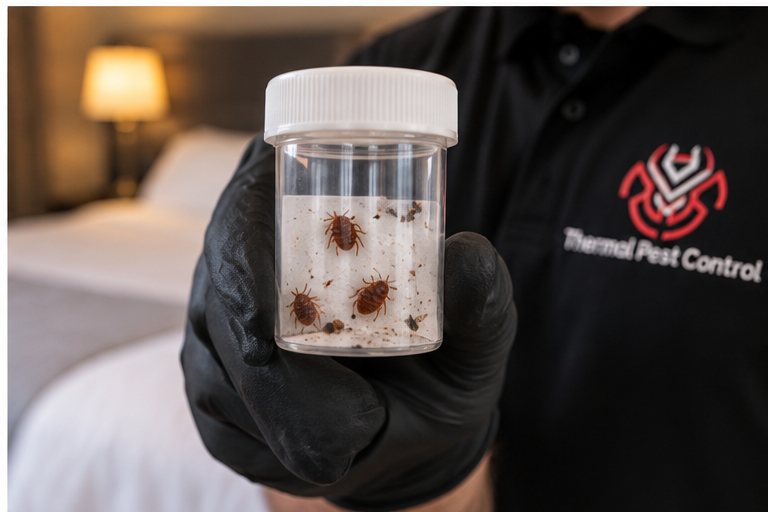
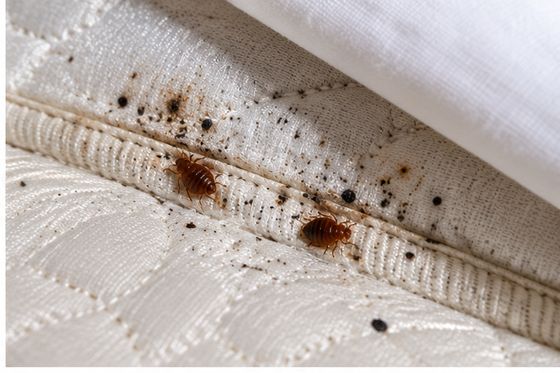
Catch the insect if you can. A clean jar, a sealed sandwich bag or a strip of clear tape all work. Take a sharp photo of it, and of any small dark spots on the mattress seams or the bed frame. Then make the bed up again with clean sheets and sleep in it. That keeps the bugs where they are, which is where we want them when we arrive.
If you are not sure what you caught, compare it with our London guide on bedbugs or something else. Carpet beetles, booklice and bat bugs all get mistaken for them.
What Not to Throw Away
The panic urge in a settled home is to get rid of things. Resist it until you have spoken to us. Almost everything in a bedroom can be treated where it stands, and carrying it out through the house is how one room becomes three.
- The mattress. It can almost always be treated. A new one on an untreated frame simply gets moved into.
- The bed frame and headboard. These are where bedbugs sit, so they need treating, not removing through the landing.
- Clothes, bedding and curtains. A hot wash or a hot tumble dry deals with fabrics. Bag them in the room before carrying them to the machine.
- Books, toys and keepsakes. Leave them in place and tell us about them. Heat treats them where they are; with chemical we tell you what to bag.
- The sofa. Unless someone has been sleeping on it, it is rarely involved at all.
There are times when an item is not worth saving: a worn flat-pack frame falling apart at the joints, or a mattress already torn open. We will say so. If something does go, it is wrapped in plastic first and labelled so nobody takes it home from the pavement.
A Sensible First Week
- Evening one: catch a specimen, photograph the spotting, remake the bed and sleep in it as normal.
- Next morning: call 0800 955 1018. Say how many bedrooms there are, which beds show marks, and who has bites.
- If there is any doubt, book an inspection first. It costs from £120 and stops you paying for a treatment you did not need.
- Pick heat or chemical on the phone, with the price for your rooms given before anything is booked.
- In the days before the visit, hot-wash bedding from the affected room and stop moving things between rooms.
- Keep a note of any new bites or sightings, and where. It helps us on the day.
That is the whole week. There is no need to empty wardrobes into bin bags, take up carpets or repaint. For how the following weeks usually run, see our timeline from first bite to all clear.
Choosing Between Heat and Chemical
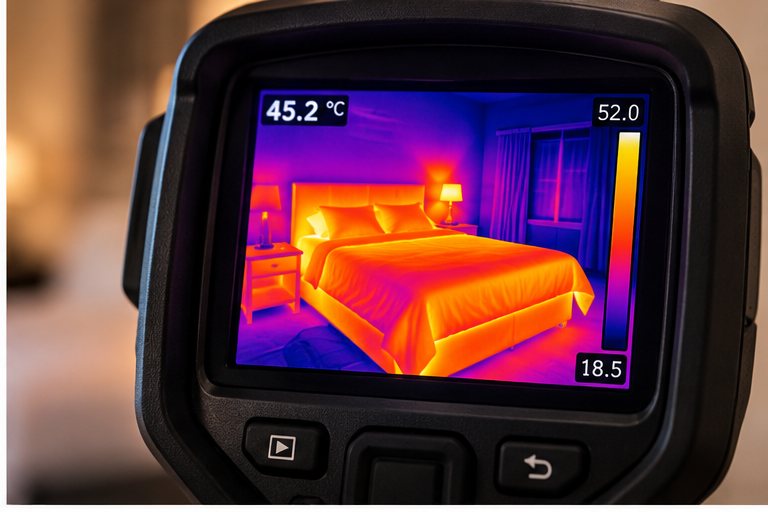
Neither route is right for everyone, so this is a question of what your house and your week can take. Heat brings the room to a temperature bedbugs cannot survive, holds it while a thermal camera looks for cold spots, and kills the eggs in one visit. It takes most of a day, the household and any pets stay out, and it costs more. Our heat treatment page for the borough describes a family house done in one day.
Chemical treatment uses a residual insecticide in seams, frames and skirting edges. Because it does not reliably kill eggs, there are usually two visits and sometimes three, spaced about 10 to 14 days apart, each taking an hour or two. You are back in the room once it has dried. It costs less, and suits one contained bedroom. The chemical treatment page explains the course of visits and what a landlord arranges.
Both start from £220. The figure depends on the number of rooms and the method, and you hear it before you agree to anything.
Checking Before You Commit
A first-time household often wants to be certain before spending money, and that is reasonable. An inspection looks at the beds, frames, skirtings and nearby furniture and tells you whether you have bedbugs, how far they have got and what treatment would involve.
People often ask about gadgets and shortcuts first. Our guide to whether a UV torch shows bedbugs explains why a plain torch and an old plastic card do more, and whether sniffer dogs work covers what detection dogs are really used for.
How Far Could They Have Got?
In a house they stay close to where people sleep, and they move between rooms along the routes people and pipes provide. If a bedroom shares a wall with a neighbour, or pipework runs through the floor to the room below, read whether bedbugs can live behind radiators and pipes.
A loft is a common worry in a semi or terrace, usually because suitcases and old bags are stored there. Can bedbugs live in the loft explains when that is worth checking and when it is not.
Pages for Particular Situations
Each area page in the borough takes one situation. Wimbledon deals with a bedroom full of cushions, throws and rugs. South Wimbledon covers the cleaning people do after finding one, and which of it spreads them. Mitcham is for tenants waiting weeks for a landlord’s date, Raynes Park for a couple dividing furniture, and Wimbledon Park for what to tell a weekly cleaner.
Bedbug Control Across Merton
Every area page deals with one situation, so start with the one most like yours.
Bedbug Advice for Merton
Written up in full for people in the borough, and worth reading before the treatment day.
Do UV Torches Show Bedbugs?
What ultraviolet light shows in a bedroom, what it misses, and the simple kit that does the job.
Read more →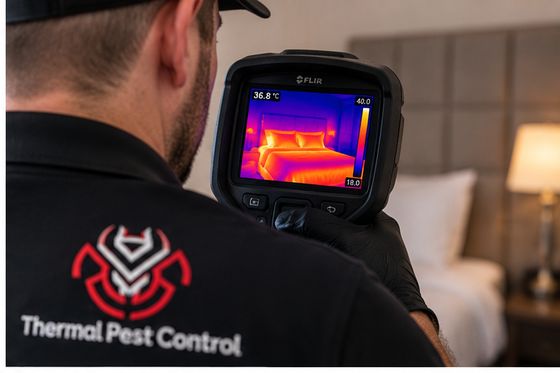
Do Bedbug Sniffer Dogs Work?
What detection dogs are good at, where they fall short, and when a close visual check is the better choice.
Read more →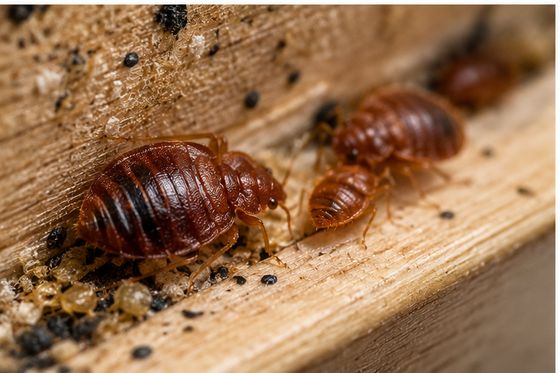
Behind Radiators and Pipes
Radiator brackets and pipe gaps as routes between rooms, how to check them, and how treatment covers them.
Read more →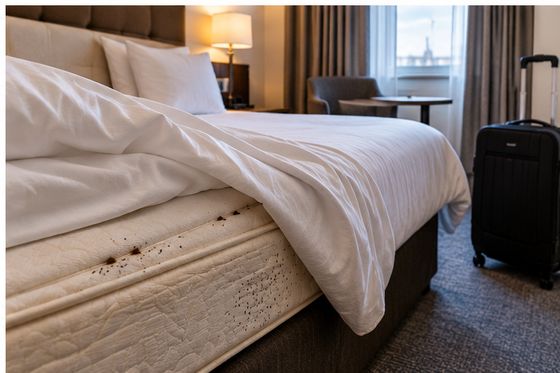
Can Bedbugs Live in the Loft?
Why an unused loft is an unlikely home, why a loft bedroom is not, and what to do with stored bags.
Read more →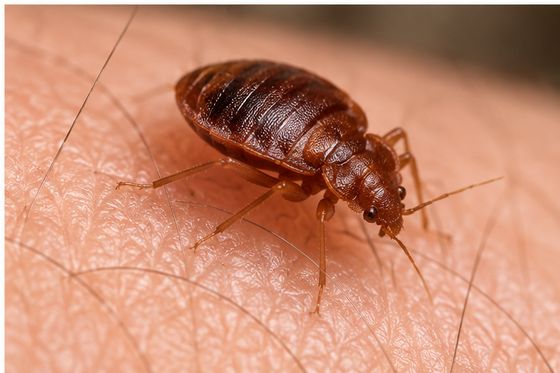
From First Bite to All Clear
The usual order of events, from the first bite to a finished treatment, and what happens at each stage.
Read more →Bedbug Control Merton — Questions
How much will it cost?
Treatments start from £220 and inspections from £120. Your figure depends on how many rooms need treating and whether you choose heat or chemical, and we give it on the phone before booking.
We have never had bedbugs. Does that mean the house is dirty?
No. Bedbugs feed on blood, not dirt, and they arrive in luggage, bags and furniture. A tidy house can have them as easily as any other.
Should we get rid of the bed straight away?
Please do not, unless we advise it. The bed can almost always be treated, and carrying it through the house spreads bedbugs along the way.
Is it better to sleep downstairs until you come?
No. Moving to the sofa usually gives them a second place to live. Stay in your own bed with clean sheets until the room has been treated.
Can we use a spray from the shop in the meantime?
We would not. Shop sprays tend to scatter bedbugs into new hiding places, which makes the treatment harder and can mean treating more rooms.
The bites are really itchy. What should we do?
Bites vary, and some people do not react at all. A pharmacist or GP can advise on skin reactions. Call 999 if anyone shows signs of a severe allergic reaction.
We rent. Who arranges the treatment?
It depends on the tenancy and on how the bedbugs arrived. Tell the landlord or agent in writing. We are pest controllers rather than legal advisers, but we will speak to whoever books the work.
Bedbug Treatments in Merton
Every service has its own page for Merton: heat, chemical, hotels, commercial premises and inspections.
Covering Merton
Tell Us About the Property
Tell us which rooms show signs and who has bites, and we will call back with a price.