

Start With Who Lives There, Not With the Bugs
When you ring us, the first useful questions are about people. Who sleeps in which room? Is anyone very young, pregnant, elderly or unwell? Does anybody work from home, work shifts, or keep animals? The answers decide the route more often than the size of the problem does.
The borough has a lot of Victorian and Edwardian houses, plus interwar semis further out, and they are often home to more than one generation or to a group of sharers. That tends to mean several bedrooms in use, a mix of timetables and at least one person with a reason to be careful. None of that stops a treatment. It just means the plan gets made around the household instead of the other way round.
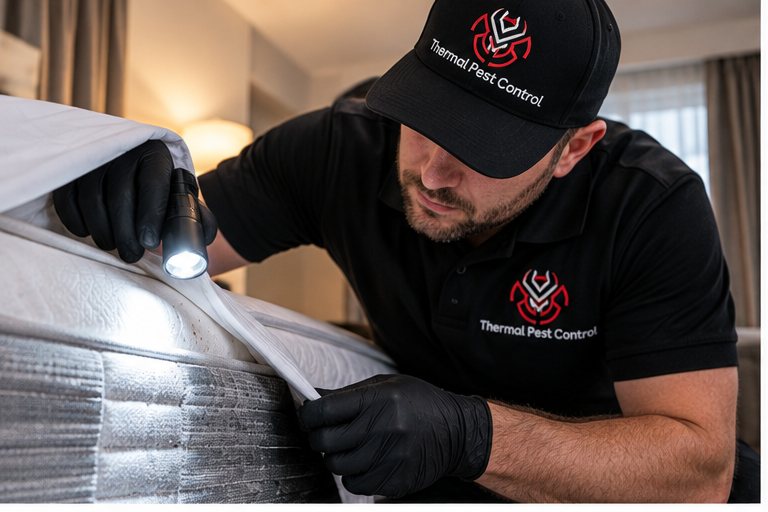
Children: Naps, School and Bedtime
With young children, the practical question is which kind of disruption is easier. Heat takes the treated rooms out of use for most of a single day, with everyone out of them, then bedtime happens as normal once they have cooled. Chemical means a shorter visit, one to two hours, repeated about 10 to 14 days later, with the room usable again once the surfaces are dry.
- If the children are at school or nursery, a heat day often fits inside it.
- If a baby naps at home, two short chemical visits can be easier to work around.
- Keep each child in their own bed until the work is done; swapping beds moves bedbugs between rooms.
- Toys, sleeping bags and the things children carry about need their own plan: see bedbugs in children’s soft toys.
If the problem seems to have started after a night away, bedbugs found after a sleepover covers the sleeping bag, the pyjamas and the conversation with the other parents. For telling whether the small pale insects you found are young bedbugs, read how to recognise bedbug nymphs.
Health Conditions, Medication and Pregnancy
Tell us about any health condition in the house when you call, even if it seems unrelated. It changes what we ask you to do and sometimes which treatment we suggest. We do not describe either treatment as suitable for everyone; we say what we would advise for your household and give instructions on the day, and those instructions are the ones to follow.
- For heat, medication comes out of the room beforehand along with aerosols, candles, vinyl, plants and some electronics.
- For chemical, anyone who should avoid the treated room can stay out until the surfaces are dry.
- Breathing conditions such as asthma are worth raising specifically; the Greenford page goes through that conversation.
- If bites are causing a skin reaction, a pharmacist or GP is the person to ask. Anyone showing signs of a severe allergic reaction needs 999.
When Not Everyone Is On Board
Treatment depends on preparation, and preparation depends on everybody. The hardest cases are rarely about the bugs: a housemate who will not clear their floor, a relative who refuses to wash a favourite blanket, a teenager who thinks the whole thing is being blown out of proportion.
A few things help. Put the list in writing so nobody can say they were not told. Explain that an unprepared room can undo the work in the rooms around it. Offer practical help, such as bin bags, a laundrette run or storage space, rather than argument. If you rent, tell the landlord or agent in writing as well; who arranges and pays depends on the tenancy and on how the bedbugs arrived, and we are pest controllers, not legal advisers.
A shared house where one person will not cooperate is the subject of the Acton page. If the preparation simply feels too big for the time you have, the Perivale page sets out what matters most when you only have one evening.
Heat or Chemical for a Busy House
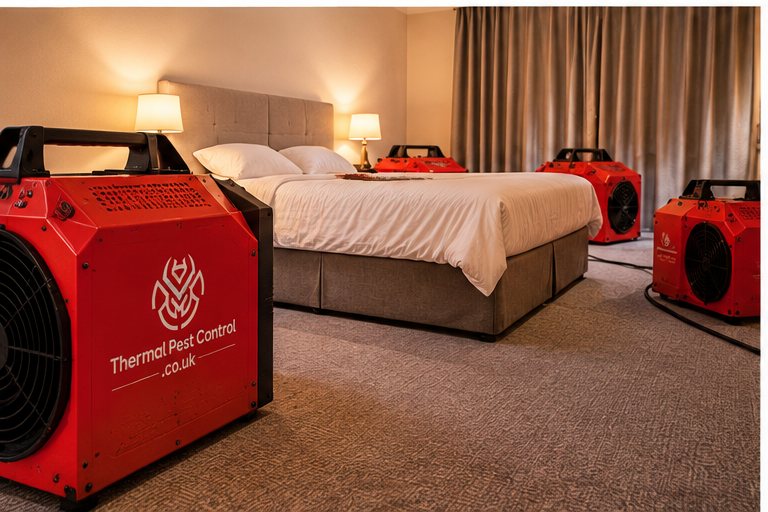
Heat is usually one visit, kills eggs as well as adults, and leaves nothing behind. It suits a house where several bedrooms are involved and the family can be out for a day. It costs more. Chemical costs less and works well for a room or two, but because it does not reliably kill eggs it is usually two visits, sometimes three. Each visit asks you to strip and hot-wash bedding and clear the floors beforehand.
Our borough pages on heat treatment in Ealing and chemical treatment in Ealing cover what each looks like in a typical house here. If you are not yet sure what you have, an inspection from £120 confirms it before money goes on treatment.
Keeping Belongings Out of It
Families accumulate things, and things near beds give bedbugs somewhere to sit. Before treatment, the question is how to keep what you own clean without hauling it round the house. Sealed containers help, used properly; our guide answers whether bedbugs can live in plastic storage boxes and how to use them for washed items.
The Grand Union Canal runs through the borough, and some people live on it. A boat is a very different job from a house, with tight cabins and limited power, so it has its own guide.
Areas Across the Borough
Each area page takes one household situation. Ealing Broadway covers a family house with a nanny or au pair’s room, Southall large extended households with many beds, Hanwell childminders working from home, and West Ealing landlords arranging treatment from a distance. Northfields is for anyone sleeping on a futon or a mattress on the floor.
Bedbug Control Across Ealing
Each area page deals with one household situation, so start with the one closest to yours.
Bedbug Advice for Ealing
Written up in full for people in the borough, and worth reading before the treatment day.
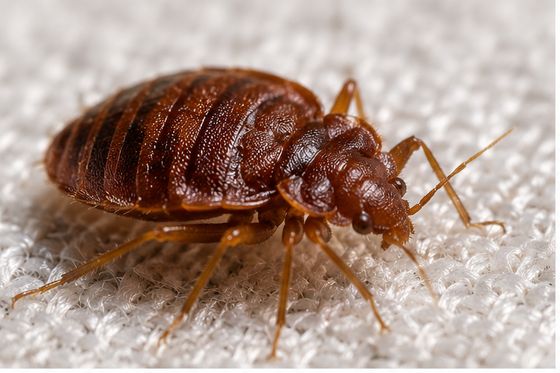
Recognising Bedbug Nymphs
Young bedbugs are tiny and almost see-through; here is how to spot them and what they mean.
Read more →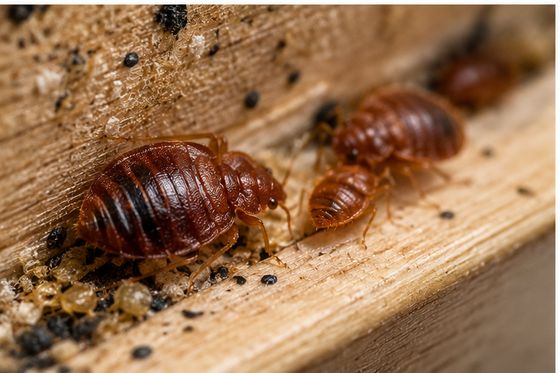
Bedbugs on a Boat
Tight cabins, timber linings and limited power: what changes when the home floats.
Read more →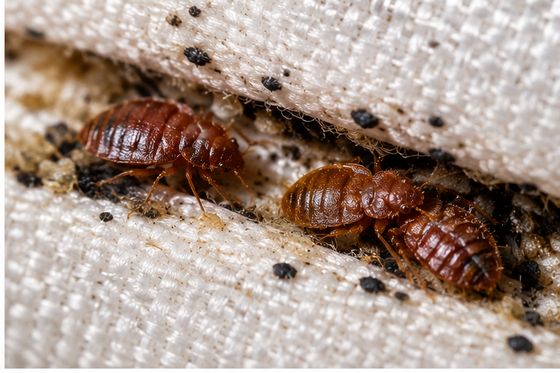
Bedbugs in Soft Toys
Which toys go in the wash, which go in the dryer, and how to handle the one they cannot sleep without.
Read more →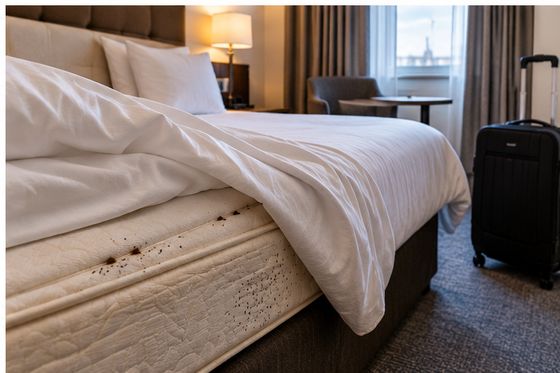
Plastic Storage Boxes
When a box is a hiding place, when it is a shield, and why the lid decides which.
Read more →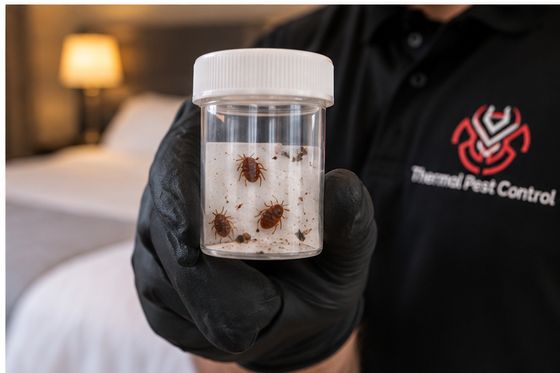
After a Sleepover
The sleeping bag, the pyjamas, and a conversation with the other parents that does not end a friendship.
Read more →Bedbug Control Ealing — Questions
How much does treatment cost?
Treatments start at £220 and inspections start at £120. The figure for your home depends on how many rooms need treating and whether it is heat or chemical, and you get it over the phone before booking.
Can we treat around a baby's nap times?
Usually, yes. Chemical visits take one to two hours, so they can be timed around a nap, and the room is back in use once dry. Tell us the routine and we will suggest a slot.
Someone in the house takes daily medication. Is that a problem for heat?
No, but it has to come out of the treated rooms first, as heat can damage it. We give you the full list of what to remove before the day.
My housemate refuses to prepare their room. What happens?
An unprepared room makes the treatment less effective for everyone, so tell us before the visit. If you rent, let the landlord or agent know in writing too.
Should the family stay with relatives until it is sorted?
Usually not. Bedbugs travel in bags and clothes, and an empty bed sends the hungry ones looking for someone else. We will say if a short planned stay makes sense.
Can we throw the children's mattresses out and start again?
Only if we advise it. Carrying an infested mattress down the stairs spreads bugs along the way, and a new one in an untreated frame soon picks them up.
The bites are itchy. Who should we see?
People react very differently, and some show no marks at all. A pharmacist or GP can help with a skin reaction; call 999 for signs of a severe allergic reaction.
Bedbug Treatments in Ealing
Every service has its own page for Ealing: heat, chemical, hotels, commercial premises and inspections.
Covering Ealing
Tell Us About the Property
Tell us who lives in the house and which rooms show signs, and we will ring back with a price and a plan.