
- What a Cast Skin Looks Like
- What Skins Tell You for Certain
- What Skins Say About How Long
- Skins After Treatment
- What to Do With Them
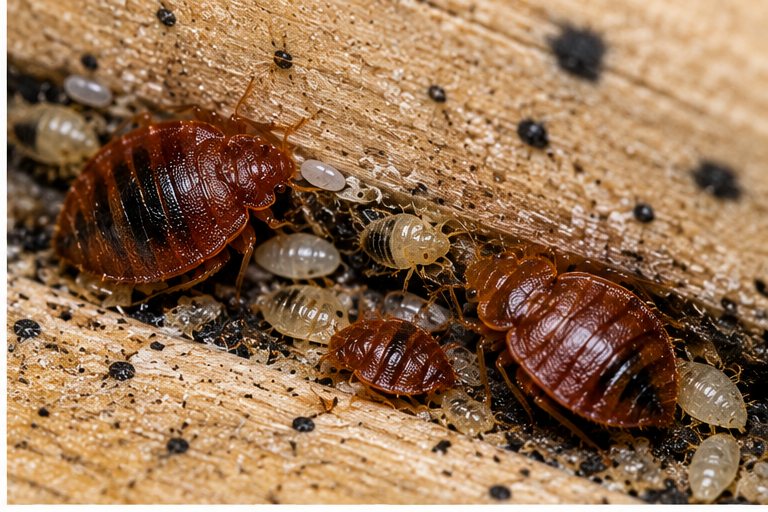
A young bedbug grows by splitting out of its skin and leaving the old one behind. It does this five times before it is an adult, and it needs a blood meal before each moult. Every one of those cast skins stays where it was left until someone vacuums or disturbs it.
What a Cast Skin Looks Like
A cast skin is the same flat, oval shape as a bedbug, with legs and antennae, but hollow and pale: a light, yellowish brown you can see through. It is dry and papery, weighs almost nothing and crumbles if you press it. Sizes range from tiny, from the youngest stages, up to nearly adult size.
Skins collect in the same places as the bugs themselves: mattress seams, the joints of the bed frame, behind the headboard, along the skirting and in the folds of curtains or a sofa next to the bed.
What Skins Tell You for Certain
A bedbug skin is better evidence than a bite. Bites vary, some people never react, and several other insects and skin conditions leave similar marks. A cast skin can only come from a bedbug that was growing, and growing means feeding.
- Skins mean young bedbugs have been feeding and developing, not just a single adult passing through.
- Skins of several different sizes mean nymphs at different stages, which points to more than one round of eggs.
- Skins in several rooms mean the problem is not confined to one bed.
What Skins Say About How Long
No one can read a date from a skin, and we will not pretend to. What you can read is roughly how established things are. A few small skins in one seam suggest something recent. Lots of skins in a range of sizes, along with dark spotting and eggs, suggest several generations and a problem that has been there for a while.
That is useful when you are working out where they came from. If you moved in recently, or a guest stayed recently, a heavily established picture may point to an earlier source. For renters, that is information to put in writing to the landlord or agent. An inspection before signing for a flat or at the end of a tenancy is another way to get it on record.
Skins After Treatment
Skins do not go anywhere on their own. After a treatment you may still find old ones in seams and gaps, and that does not mean the treatment failed. What matters is whether you find fresh signs: live bugs, new spotting or new bites.
During a chemical course, some young bugs hatch between visits and cross the treated surfaces, so new small skins in that time are not a surprise. Tell us at the follow-up. The London guide to what happens after treatment and why bedbugs reappear cover the weeks that follow.
What to Do With Them
- Photograph the skins where you found them, with something for scale.
- Pick one or two up on clear tape and keep them in a jar or a sealed bag.
- Note where each one was: which bed, which seam, which room.
- Vacuum the rest and empty the vacuum outside.
- Ring 0800 955 1018 and tell us what you found and where.
If you are in a flat inside a shared house, the main borough page explains how we treat one flat with neighbours on the other side of the walls.
Related Questions
Can shed skins be from something other than bedbugs?
Yes. Carpet beetle larvae and other insects also leave cast skins. A photograph or a skin kept on tape lets us tell you which.
I found skins but no live bugs. Do I still have them?
Possibly. Live bugs hide well during the day, and skins mean they were feeding there at some point. An inspection is the way to find out before paying for treatment.
Should I vacuum the skins up before you come?
Photograph them and keep one or two on tape first. After that, vacuuming is fine; empty it outside straight away.
More Bedbug Advice for Camden
Written up in full for people in the borough, and worth reading before the treatment day.
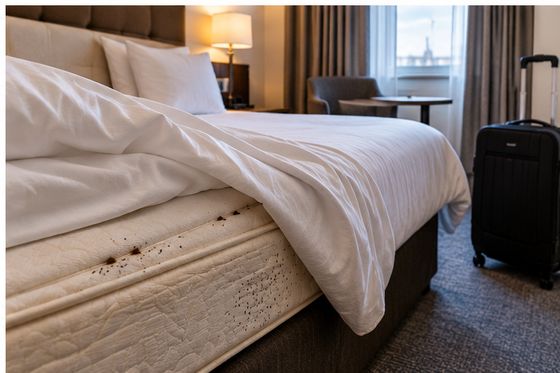
Hostels and Backpacker Travel
Dorms, bunks and lockers on the road, and what a backpack needs before it comes indoors at home.
Read more →
Laptops and Electronics
Clock radios, routers, laptops and chargers by the bed, and how each treatment handles them.
Read more →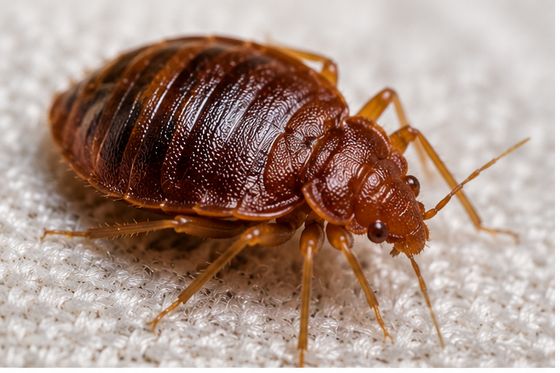
Do Bedbugs Fly or Jump?
They crawl, they hitch rides, and that shapes how they spread from room to room and flat to flat.
Read more →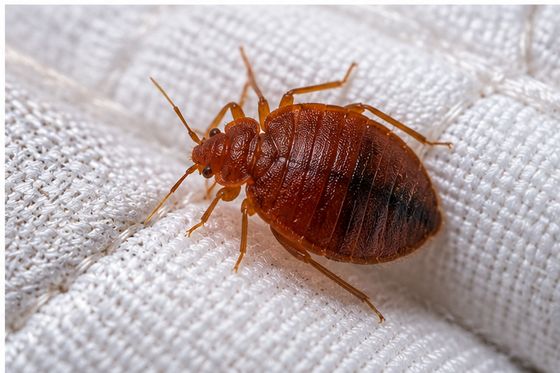
Theatres, Cinemas and Public Seating
What an upholstered seat can and cannot do, and the small habits with coats and bags that are worth keeping.
Read more →Bedbug Control Across Camden
Each area page is written around one situation we deal with.
Bedbug Treatments in Camden
Every service has its own page for Camden: heat, chemical, hotels, commercial premises and inspections.
Tell Us About the Property
Tell us what you have seen and where, and we will tell you what it needs.