
- Possibility One: Hatching
- Possibility Two: Survival
- Possibility Three: Re-introduction
- How to Work Out Which You Have
- What We Will Not Do
Before anything else: seeing the odd bedbug in the fortnight after a first chemical treatment is expected. It is the population working through the residue. What follows is about the cases where it is genuinely not going away.
Possibility One: Hatching
The most likely by far, and not a failure at all.
Eggs are not killed reliably by chemical treatment. The ones laid before we arrived hatch over the following one to two weeks, and the hatchlings have to come out and feed. You see them, quite reasonably conclude the treatment did not work, and in fact you are watching it work.
What it looks like: small, pale, young insects, appearing seven to fourteen days after the visit, in the same room, in falling numbers.
The fix: nothing. The second visit is already booked for exactly this.
Possibility Two: Survival
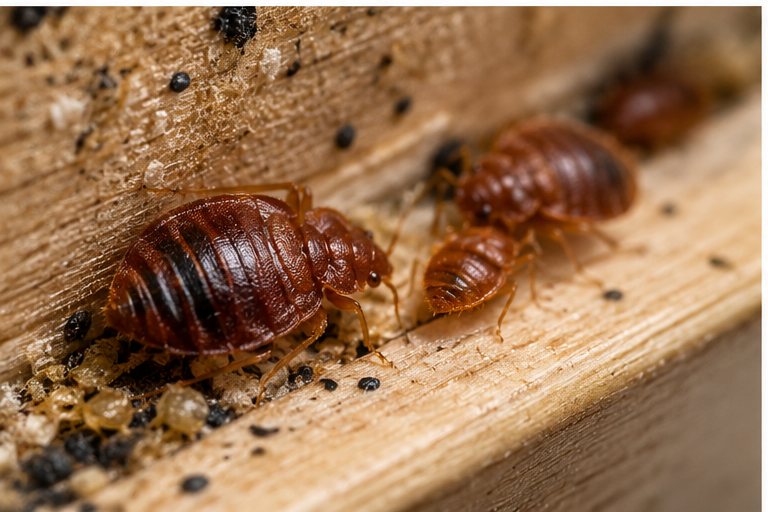
Some of the original population was never treated. Three usual reasons:
- A missed harbourage — behind a headboard nobody unbolted, inside a divan nobody opened, under a carpet edge, behind a socket faceplate
- Resistance — a population carrying tolerance to the chemistry used, which is why professionals combine modes of action rather than relying on one
- Scattering — usually from DIY aerosols before we arrived, pushing bedbugs into wall voids from which they emerge over weeks
What it looks like: adults rather than hatchlings, appearing within days rather than after a fortnight, and often in a slightly different spot from the original.
The fix: a proper re-inspection to find the harbourage that was missed, a change of product, or heat, which sidesteps the resistance question entirely.
Possibility Three: Re-introduction
The treatment worked, the room was genuinely clear, and something brought them back in.
- A neighbouring flat with the same problem and a shared wall, pipe run or floor void
- The same luggage, the same regular trip, the same second-hand furniture route that started it
- A household member coming back from somewhere with them, repeatedly
- Items that were taken out of the room during treatment and brought back unbagged
What it looks like: a genuinely clear period of several weeks or months, then a fresh start, often in a different part of the property.
The fix: finding the source, which may not be in your control, and a residual barrier at the entry points. Treating the bedroom again does nothing at all.
How to Work Out Which You Have
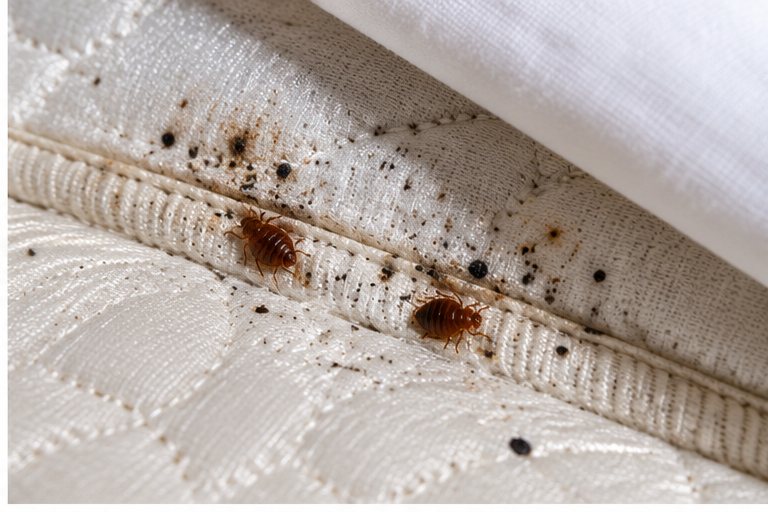
- Count the days. Under seven suggests survival. Seven to fourteen suggests hatching. Over six weeks after a clear spell suggests re-introduction.
- Look at the size. Pale and tiny means recently hatched. Full-sized and dark means it has been feeding for a while and probably predates the treatment.
- Note the location. Same harbourage as before points at a missed spot. A new room points at spread or at a scope that was too small.
- Check what changed. Did somebody move rooms? Was something brought back in? Has a neighbour mentioned anything?
- Then ring us with those four answers. It is a far more useful phone call than 'they are back'.
What We Will Not Do
Repeat the identical treatment without working out which of the three happened. If it was resistance, the same product fails again. If it was scope, treating the same room fails again. If it was re-introduction, treating anything fails again.
That is how people end up paying three times for the same fortnight.
← Back to Bedbug Chemical Treatment London · Bedbug Control London
Related Questions
Is it normal to see bedbugs after the first treatment?
In the first fortnight, yes, and in falling numbers. Beyond that, or in numbers, it needs looking at rather than waiting out.
Could my neighbours be the cause?
In a converted London flat, frequently. Bedbugs travel along pipe runs and through floor voids, and a treatment on one side of a party wall while the other side is untouched is a losing position.
Should I throw the bed away now?
No. It is very rarely the answer and often makes things worse, because moving an infested item through a property spreads it and the replacement gets colonised from the frame and the skirting anyway.
Bedbug Chemical Treatment London — Advice
Everything else written up for this service, and the service page itself if you would rather just get a price.
Tell Us About the Property
Tell us what you have seen and where, and we will tell you what it needs.