

Two Kinds of Building, Two Sets of Questions
A care home and a block of retirement flats look alike from the car park, but a treatment runs differently in each. In a care home the staff are responsible for the room and can do the preparation. In retirement housing each resident lives in their own flat, often with a scheme manager on site but nobody whose job it is to empty their cupboards. We ask early on which of the two we are dealing with.
Our London commercial treatment page sets out the wider picture across care settings, shared housing and offices, for the full explanation, and the care home guide covers inspection, records and prevention. This page stays with the practical side: preparation, routines and disruption.
When Residents Cannot Do the Preparation
Every treatment asks something of the occupier: strip and hot-wash the bedding, clear the floor, lift things away from the skirting, and for heat take out anything that does not tolerate it. A resident with limited mobility or memory cannot do much of that, and should not be asked to. Someone else has to.
- Agree with the manager or scheme manager who will prepare each room, and when.
- Bag bedding and clothes inside the room and take them straight to the laundry, not along a corridor over someone’s arm.
- Photograph shelves, the bedside table and the wardrobe before anything is moved, so it can all go back where the resident expects it.
- Keep medication with the staff who manage it, not in a box on the landing.
- Tell the resident what is happening in plain words, on the day and not weeks ahead if that would only worry them.
In retirement flats the preparation often falls to family. Our guide to bedbugs in an elderly relative’s home is written for them, and applies to a flat in a scheme as much as to a house.
Working Around Staff Routines
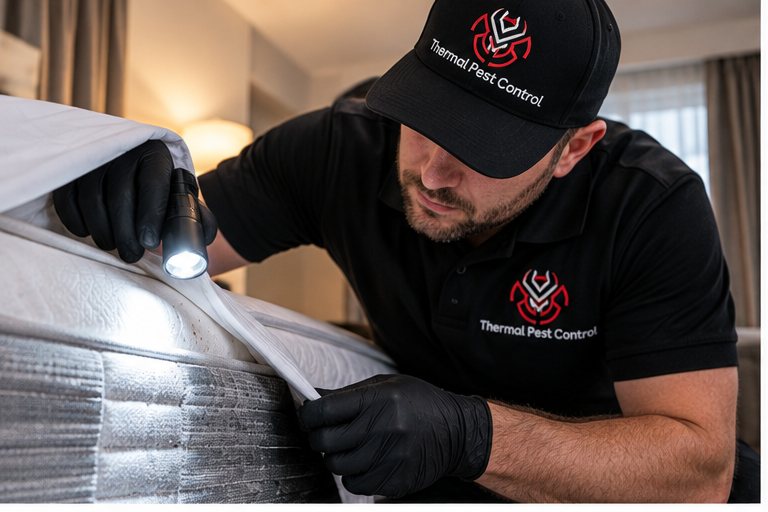
A care home runs to a timetable: mornings of personal care, meals, the medication round, visiting hours, a handover between shifts. A treatment that lands in the middle of those makes the day harder for everyone. We ask the manager which part of the day is least disruptive and book the room for then.
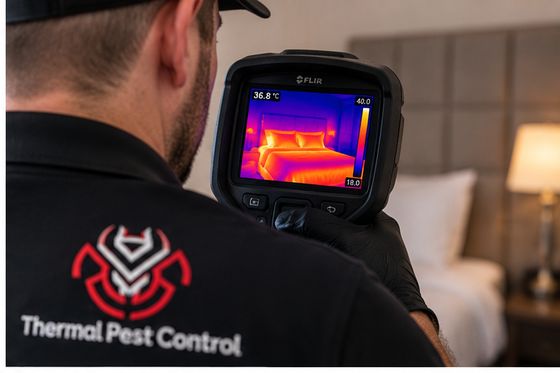
Chemical treatment usually fits best, because a visit takes one to two hours and the resident can come back once the surfaces are dry. It does mean a course, usually two visits and sometimes three, so the follow-up dates go in the diary at the start. Heat can be right for a room that has to be dealt with in one go, but only where the resident can be settled elsewhere for most of the day and the equipment in the room can be moved or allowed for. Our chemical treatment page for Bromley and heat treatment page for Bromley cover each route.
Treating Without Upheaval
The aim is that the resident notices as little as possible. In practice that means treating one room while the resident is in the lounge or at lunch, putting their things back as they were, and not moving them to a different bedroom unless the manager decides it is needed. Moving a resident between rooms can also carry bedbugs into a room that was clear.
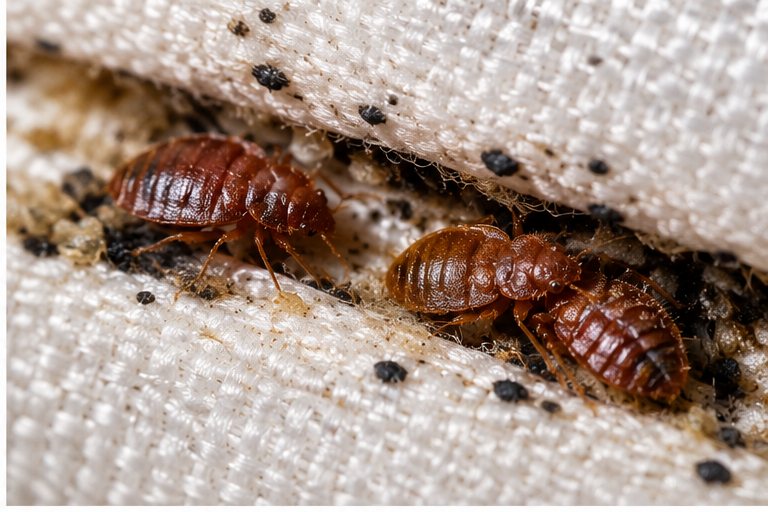
Shared spaces need a look too. Armchairs in a lounge, a recliner that moves between rooms, and seating in a scheme’s communal room are all places a bug can wait. We check those alongside the affected rooms and say what we find, rather than treating a whole building on suspicion.
Retirement Flats: Who Arranges It
In retirement housing, who arranges and pays for treatment depends on the lease or tenancy and on how the bedbugs arrived. The resident, the family, the scheme manager and the landlord may all have a part. Put it in writing to the landlord or managing agent, and if neighbouring flats are involved, they need checking too. We are pest controllers, not legal advisers, so the lease itself is a question for someone else.
Quotes and Records
Care home and retirement housing work is quoted on the rooms or flats involved and the treatment chosen. Treatments start from £220, and the figure is given on the phone before anything is booked. Each visit comes with a written note of what was found, where it was treated, what the staff or family were asked to do, and what happens next. For households rather than care settings, see the Bromley borough page.
← Bedbug Control Bromley · Commercial Bedbug Treatment London, in full
Commercial Bedbug Treatment Bromley — Questions
Can a resident stay in their room during treatment?
Not while it is being treated. With chemical treatment they can usually return once the surfaces are dry, so a spell in the lounge or at lunch is often enough.
Who does the preparation if the resident cannot?
Care staff in a care home, and usually family in retirement flats. We go through the list with whoever is doing it beforehand.
Is heat treatment suitable in a care home?
Sometimes, but often not, because it needs the room empty for most of a day and some equipment and medication cannot stay in. We talk it through with the manager first.
Should we move the resident to another bedroom until it is finished?
Usually not. Moving them can carry bedbugs into a clear room. Keep them in their own room between visits unless the manager decides otherwise.
Do communal lounges need treating?
We check the seating in shared rooms, especially chairs that residents doze in, and treat only where we find evidence.
How is care home work priced?
On the rooms or flats involved and heat or chemical. Treatments start from £220, with the full figure on the phone before booking.
Bedbug Treatments in Bromley
Every service has its own page for Bromley: heat, chemical, hotels, commercial premises and inspections.
Commercial Advice
The guides that go into commercial bedbug treatment in more depth.
Bedbugs in the Workplace
The source is almost always somebody's home. Handling that without humiliating anyone is the real job.
Read more →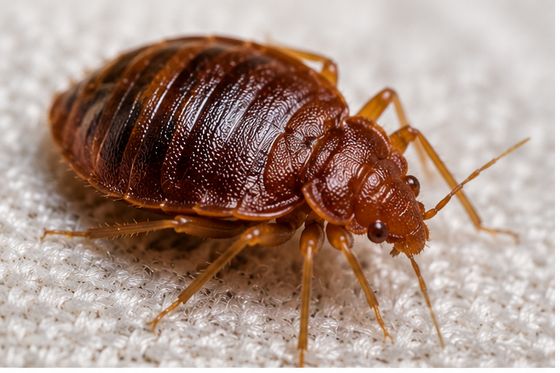
HMOs and Serviced Apartments
Getting into every unit at once is the hard half of block work. How it is actually scheduled.
Read more →
Student Accommodation and Halls
The academic calendar is a pest calendar. Build the inspection programme around it.
Read more →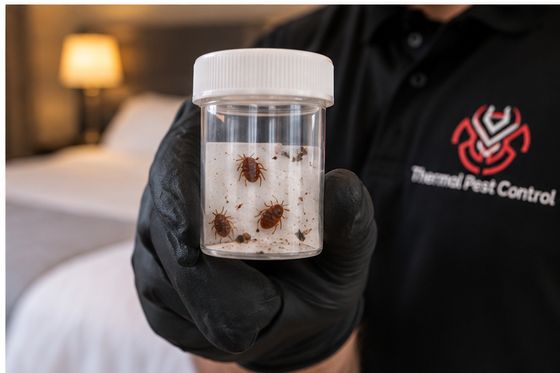
Bedbug Treatment for Care Homes
Treating around a resident who cannot easily move, and why heat is often the wrong answer.
Read more →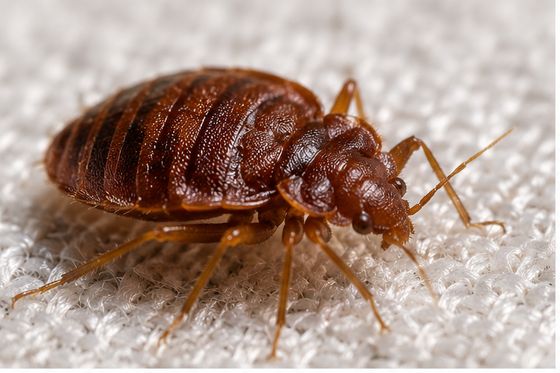
Can Bedbugs Spread Through an Office?
What an office 'infestation' turns out to be when somebody actually investigates it.
Read more →Bedbug Control Across Bromley
Each area page is written around one situation we deal with.
Tell Us About the Property
Tell us whether it is a care home or retirement housing and how many rooms are involved, and we will ring back to plan it.