

When Nobody Stays Long Enough to Tell You
In a home, the person with the problem is the person who sleeps in the bed every night, and they notice. In a building full of short stays, the people most likely to be bitten have usually checked out before they react. Plenty of guests never react at all. So a room can be carrying a small population for weeks with nobody saying a word, and the first you hear of it is a message from someone who has already gone home.
That changes where the early warning has to come from. It will not come from guests; it has to come from the people who strip the beds. A housekeeper who knows what spotting on a mattress seam looks like is worth more than any number of complaint forms. Our London guide on where hotels should check sets out a routine for that.
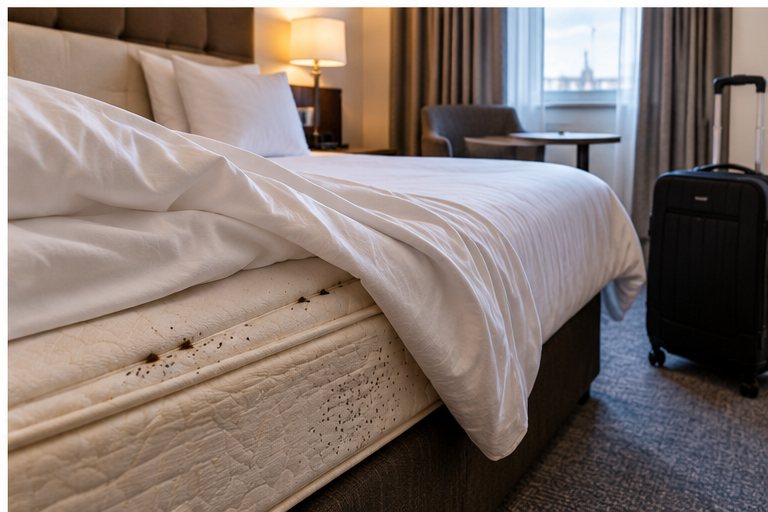
Hostel Dormitories and Bunk Beds
A private room has one bed and one guest's luggage. A dormitory has several of each, and the beds are close enough for a bedbug to cross between them in a night. Treat a dorm as one unit. If one bunk is found with them, every bed in the room gets looked at, and the room is treated as a whole rather than bunk by bunk.
Bunks bring their own hiding places. The places worth checking on a bunk:
- The hollow metal uprights and the bolts where the ladder and rails join
- The underside of the top bunk, which sits a hand's width above the lower sleeper
- Privacy curtains, their rails and the hooks that hold them
- Lockers and cubbies beside or beneath the beds, where bags are left all day
- Reading-light fittings and shelves clipped to the frame
Curtains can go in a hot wash and a long hot dry. Metal frames suit heat well, because it reaches inside the tubes without the bunk being taken apart. If you have to move guests out of a dorm, move the people but leave their bags to be checked first, or you simply relocate the problem to another room.
The Luggage Store Behind Reception
Most hotels and hostels near the tourist centre hold bags for guests who arrive before check-in or leave after check-out. For a few hours, cases from many rooms and many countries sit touching each other in one small space. It is the one room in the building where everyone's luggage meets.
It needs a place on the housekeeping list, not just the bedrooms. Hard metal shelving rather than carpet, a gap between cases where you can manage it, and a look along the skirting and under the shelves when the room is cleared at the end of the day. The same goes for luggage racks in the bedrooms: a rack is where a case spends the night, so its joints and straps belong in every changeover check.
Keeping a Record That Shows a Pattern
With a different guest in each bed most nights, a single complaint tells you little. A record of which room or which bunk, which night, and what was found tells you a lot. Two reports a fortnight apart from the same corner of a dorm point at that corner. Reports spread across a floor point at something moving between rooms, often on linen trolleys or staff; our guide to stopping them spreading between rooms covers those routes.
When a report does come in, the steps for that first hour are in what to do when a guest reports bedbugs. For the service as a whole, the London page on hotel bedbug treatment has the full explanation.
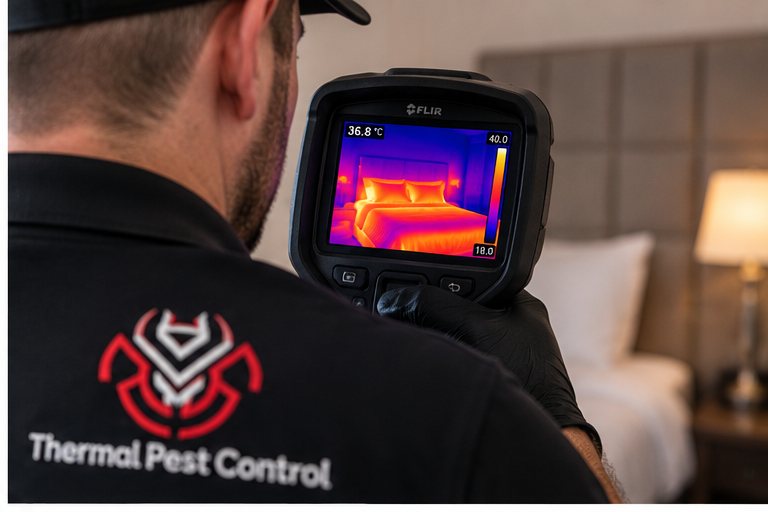
Heat or Chemical for a Room That Sells Every Night
For a room that is booked most nights, heat is usually the fit. It kills eggs as well as adults, it is normally one visit, and the room can be made up again once it has cooled. A dorm full of metal bunks and little soft furniture is often a straightforward room to heat. In a building with rooms on every side, a light residual may go along the edges afterwards. Our heat treatment page for the borough covers planning around a date.
Chemical treatment costs less but runs as a course of visits about 10–14 days apart, so it suits a room you can take off sale for a while or one caught very early. The chemical treatment page sets out how the gap between visits works. Before you sell the room again, read putting a room back into service.
Cost, and What to Have Ready When You Ring
Hotel and hostel work is quoted on the rooms or beds involved, and treatments start from £220. Heat costs more than chemical. Before you ring, it helps to know which rooms have had reports, how many beds are in each, whether any adjoin, and when the next guests are due. If you are not yet sure what you are dealing with, a bedbug inspection from £120 settles it.
If you let a flat by the night rather than run a hotel, the Greenwich town centre page is written for you, and the borough page covers the rest.
← Bedbug Control Greenwich · Hotel Bedbug Treatment London, in full
Hotel Bedbug Treatment Greenwich — Questions
A guest has emailed from home saying they were bitten. What do we do?
Block the room, keep the email, and have the bed and the rooms either side looked at. A bite report alone does not confirm bedbugs, so get it inspected before you treat.
Do we have to close a whole dormitory if one bunk has them?
The whole dorm should be treated together, since the beds are too close to deal with one at a time. With heat, that is usually a single visit.
Should the luggage store be treated too?
Only if something is found there. It should be checked whenever a nearby room has a confirmed case, and kept on the regular housekeeping list.
Can you work around check-out and check-in times?
Tell us when the rooms are free and when guests are due, and we plan the day around that. Ring 0800 955 1018 with the dates.
What should we tell a guest who has been bitten?
Reactions vary a great deal. Point them to a pharmacist or GP for itching or a skin reaction, and to 999 for any sign of a severe allergic reaction.
Should we throw out the mattress from the affected bed?
Not before we have seen it. Carrying it through corridors and down the stairs spreads bedbugs, and most mattresses can be treated where they are.
Bedbug Treatments in Greenwich
Every service has its own page for Greenwich: heat, chemical, hotels, commercial premises and inspections.
Hotel Advice
The guides that go into hotel bedbug treatment in more depth.
When a Guest Reports Bedbugs
Handling the person, not the room. The conversation, the offer, and the review that follows.
Read more →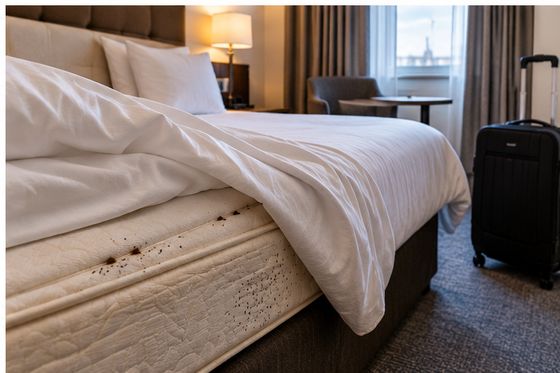
Treating Without Closing the Hotel
The practical logistics of working inside a live hotel, from access routes to fire alarms.
Read more →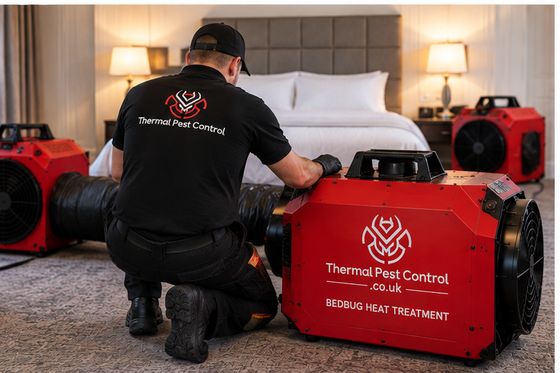
Putting the Room Back Into Service
Not how fast it can go back on sale, but how you satisfy yourself it should.
Read more →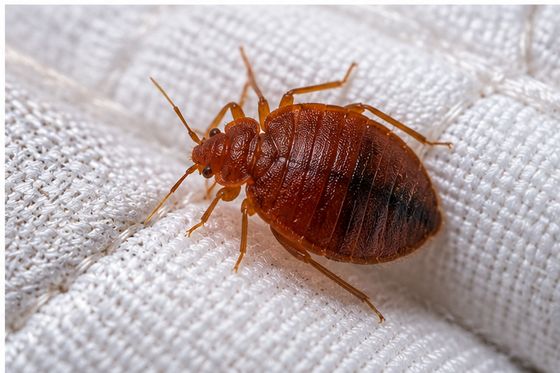
The Ninety-Second Housekeeping Check
A trainable routine your room attendants can run between every stay.
Read more →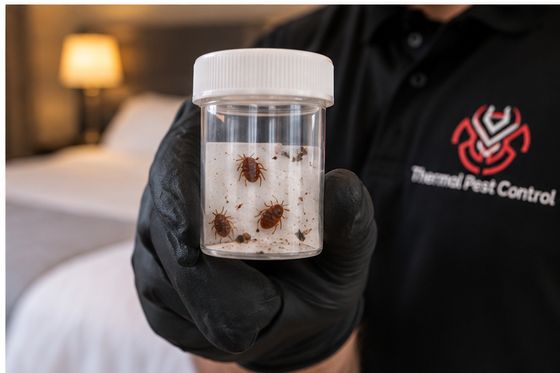
Stopping Them Spreading Between Rooms
Linen, trolleys, vacuums, uniforms and voids. The five routes, and how each is closed.
Read more →Bedbug Control Across Greenwich
Each area page is written around one situation we deal with.
Tell Us About the Property
Tell us how many rooms or beds are involved and when they are next booked, and we will quote on that.