

A Room That Changes Hands Every Year
A family bedroom has the same sleeper for years. A student room has a new one each autumn, bringing a new set of bags, bedding and furniture, and then emptying again the following summer. Whatever arrives with one year's occupant can be waiting for the next if nobody looks in between.
That is the part of the problem a provider controls. You cannot check every suitcase that comes up the stairs, but you can decide what happens to a room between one tenant and the next. The student's own side of moving out, packing and taking things home, is in our guide to taking bedbugs home from halls, which is worth passing on to residents.
Move-Out: What Gets Left Behind
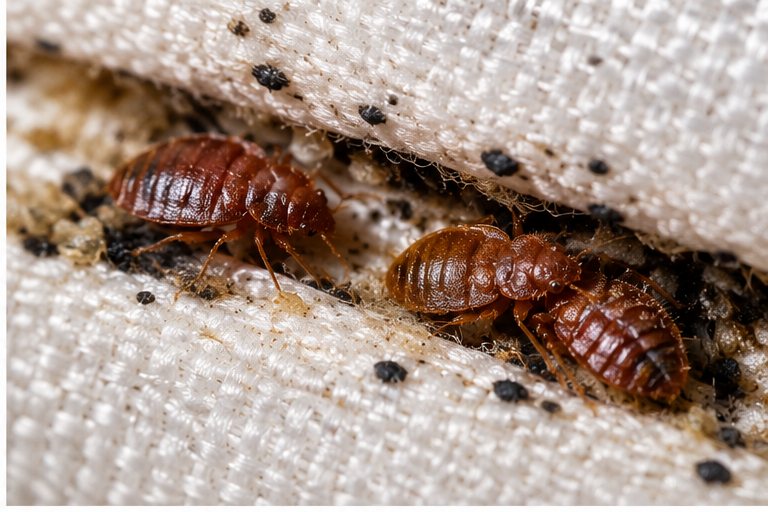
The last day of a tenancy leaves rooms full of things nobody wants to carry home: a beanbag, a mattress topper, a duvet, a rug, a second-hand chair bought in October. The easy thing is to pass them on to next year's tenants or stack them in a store room. If a room has had any history, that is how it travels.
- Bag soft items in the room they came from before they go into a corridor
- Do not move furniture from a room with a history into another room or a store
- Look at any mattress or bed you supply while the room is empty and easy to see
- Note which rooms had reports during the year, so the empty-room checks start there
Our guide on pillows, duvets and toppers explains which abandoned soft items can be washed and which are better bagged and removed after the room is dealt with.
The Empty Weeks Are the Time to Act
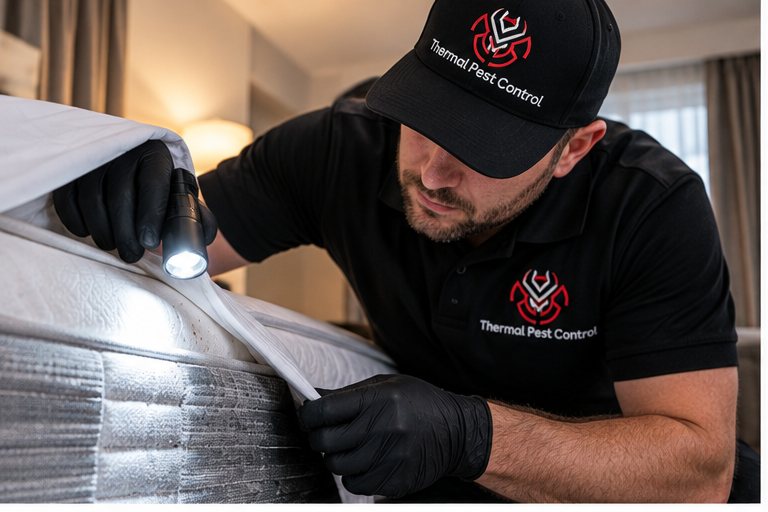
The weeks when a room has nobody in it are the easiest time to inspect or treat it. There is no access to arrange, no belongings to sort and no-one to keep out of the room while it is hot. The mistake is to leave the check until the week before the next tenants arrive, when anything found has to be fitted into a diary that has no room left.
Book the inspections for the week after move-out, and any treatment has the whole vacation to fit into. Remember that an empty room does not clear itself; bedbugs can wait a long time without feeding. The London guide to bedbugs in student accommodation sets out an inspection plan across the whole academic year.
The First Weeks of Term
When a new resident reports bites or finds a bug early in the autumn, the natural question is whether they brought it or the room had it. It is rarely possible to say, and trying to settle it first only slows things down. Look at the room, the rooms either side and the shared seating in the kitchen or lounge, and treat what is found.
Ask the resident to keep sleeping in their own room and not to move into a friend's for a few nights, because that is how one room becomes three. Make it easy to report without it feeling like an accusation; a student who thinks they will be blamed tends to say nothing until the corridor has them too.
Shared Student Houses
Plenty of students here live in ordinary houses let to a group: four or five bedrooms, one kitchen, one living room. Treat that house as one job. The bedrooms are close, people borrow each other's beds and sofas, and a course of chemical visits needs every tenant to prepare their own room each time. Heat in one visit is often easier to organise for a group than several mornings of access.
Who arranges and pays depends on the tenancy and on the cause, so put it in writing to the tenants and keep a copy; we are pest controllers, not legal advisers. For houses let as individual rooms, see the London guide on HMOs and serviced apartments, and for the service in general the London page on commercial bedbug treatment has the full explanation.
Heat, Chemical and the Exam Timetable
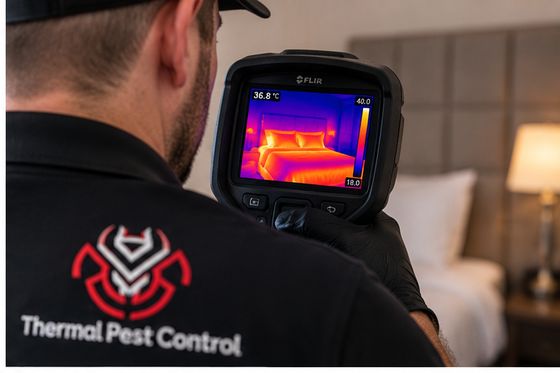
During term the practical question is disruption. A chemical course means two, sometimes three visits about 10–14 days apart, with residents keeping to their own beds in between; that can clash with revision and exams. Heat takes one day out of the room and then it is done. The borough pages on heat treatment and chemical treatment go into each route. Work is quoted on the rooms or units involved, and treatments start from £220.
← Bedbug Control Greenwich · Commercial Bedbug Treatment London, in full
Commercial Bedbug Treatment Greenwich — Questions
Can you check all the rooms in a block over the summer?
Yes. Tell us how many rooms there are and when they are empty, and we will quote for the inspections and plan around the dates you have.
A student has found bites in the first week. Do we move them?
Keep them in their own room and have it inspected, along with the rooms either side. Moving them tends to take bedbugs with them.
Should we throw away the mattresses from a room that had bedbugs?
Not before we have looked at them. Most can be treated, and carrying one through the building spreads the problem.
Can we leave last year's furniture for the next tenants?
Only furniture from rooms with no history, and only once it has been checked. Soft items left behind are better dealt with than passed on.
Will you give us a written record of what was found?
Yes. You get a note of what we found, where, and what was done, which you can keep with the room's records.
Bedbug Treatments in Greenwich
Every service has its own page for Greenwich: heat, chemical, hotels, commercial premises and inspections.
Commercial Advice
The guides that go into commercial bedbug treatment in more depth.
Bedbugs in the Workplace
The source is almost always somebody's home. Handling that without humiliating anyone is the real job.
Read more →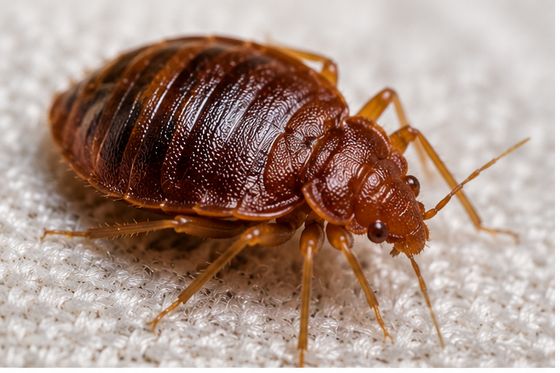
HMOs and Serviced Apartments
Getting into every unit at once is the hard half of block work. How it is actually scheduled.
Read more →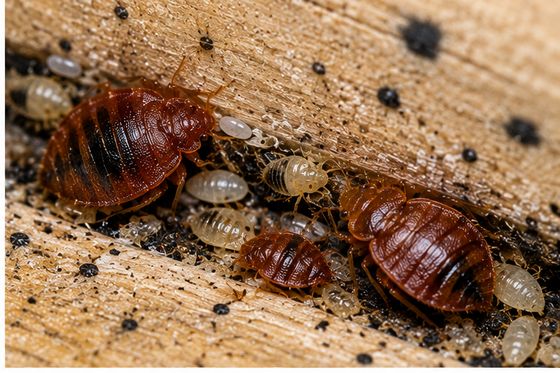
Student Accommodation and Halls
The academic calendar is a pest calendar. Build the inspection programme around it.
Read more →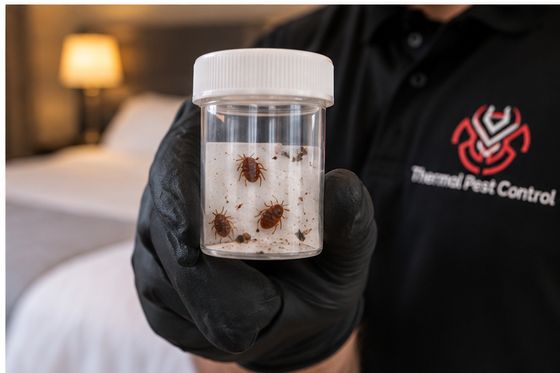
Bedbug Treatment for Care Homes
Treating around a resident who cannot easily move, and why heat is often the wrong answer.
Read more →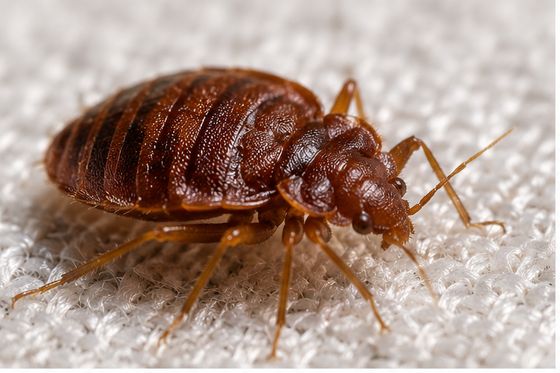
Can Bedbugs Spread Through an Office?
What an office 'infestation' turns out to be when somebody actually investigates it.
Read more →Bedbug Control Across Greenwich
Each area page is written around one situation we deal with.
Tell Us About the Property
Tell us how many rooms you manage, how they are let and when they are empty, and we will plan around it.