

Working Back From the Date You Need the Room
When a room has a deadline, the useful question is not which treatment is better in general but which one lets you hand the room over on time with some confidence. Chemical works as a course over a few weeks, and the eggs laid before the first visit are still hatching part way through it. Heat deals with every stage in the one pass, so the day it is finished is the day you can plan around.
Counting backwards from the date you need the room usually looks like this:
- Confirm it is bedbugs. If you have not found an insect, an inspection from £120 settles it before you pay for a treatment you may not need.
- Book the day. Tell us the date the room has to be in use and how many rooms are involved, and we give you the price on the phone.
- Clear the short list. We send what has to come out: aerosols, candles, medication, vinyl, plants, some electronics. Leave the furniture where it stands.
- Give us the day. Treatment takes most of it, and nobody, pets included, is in the room while it is hot.
- Let it cool, then make the bed. Fresh bedding from a hot wash goes on once the room is back to normal, and the room is ready.
Leave yourself a margin of a day or two if you can. It gives room for a second look if anything about the first day is unclear, and it means you are not remaking a bed an hour before someone walks in.
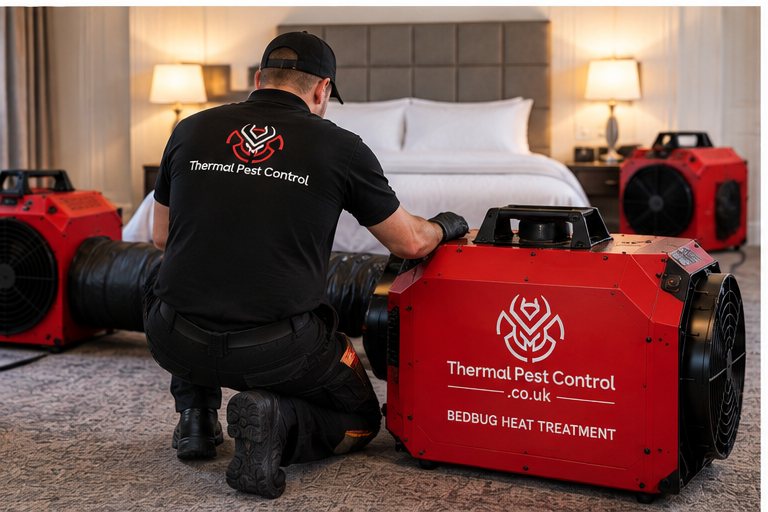
A Student's Room at Home
With a university on the doorstep, a common version of this is the family bedroom that a student comes back to between terms. Sometimes bugs have already arrived with them; sometimes the room has been standing empty and something turns up in it just before they are due home.
Either way the aim is the same: the room treated and back in use before the bags are unpacked, not a fortnight into the holiday. Heat suits this because one visit finishes it and there is nothing left on the mattress or the desk chair afterwards. Keep the suitcases and bags that come home in the hallway, unopened, until the room is done. The student's side of the journey, from checking the halls room to arriving home, is in our guide to taking bedbugs home from halls.
The Spare Room Before a Guest Arrives
A spare room is often where bedbugs are found last, because nobody sleeps in it most of the time. Then a relative is due to stay, the bed is made up, and there are dark marks along the mattress piping. The temptation is to put the guest somewhere else and deal with it later. That tends to move the problem into a second bed.
A spare room is usually lightly furnished, which helps. There is less for the heat to work through and fewer items to take out, so it is often one of the simpler rooms to treat. If the guest has already slept in it, ask them to check their own luggage before it goes back into their home. For short-let flats, where the guest is paying and the next booking is fixed, our Greenwich town centre page covers changeovers and what to do when a guest reports bites.
Riverside Flats With a Central Alarm System
Newer blocks along the river, including the Royal Arsenal development in Woolwich, often have detectors in each flat wired back to a building-wide system rather than a battery alarm on the ceiling. A heat detector does not know the difference between a fire and a treatment. If it goes off, the alarm may sound across the building rather than in one flat.
So a heat treatment in a managed block starts with a conversation with the building manager or concierge, well before the day. What they usually need from you:
- The flat number, the date and the rough hours we will be working
- Which rooms are being treated, so they know which detectors are affected
- Who will be on site, and how our equipment gets in and up to the flat
- A contact number for the day, so they can reach us if anything is queried
They decide how the detectors in the treated rooms are handled and who restores them once the room has cooled. Do not cover or disconnect a detector yourself. Put the request in writing, and if a neighbour has the same problem, say so in the same message: a single flat treated in isolation often gets them back from next door.
Why Flats Often Get a Light Residual Too
Heat does its work and then the room is simply a room again. In a flat with a neighbour on every side, that leaves nothing to deal with a bug that walks in later through a service riser or along a pipe. That is why, in a block, we may put a light residual along the edges once the room has cooled. It does not change the timetable; the room is still back in use the same evening once it is cool.
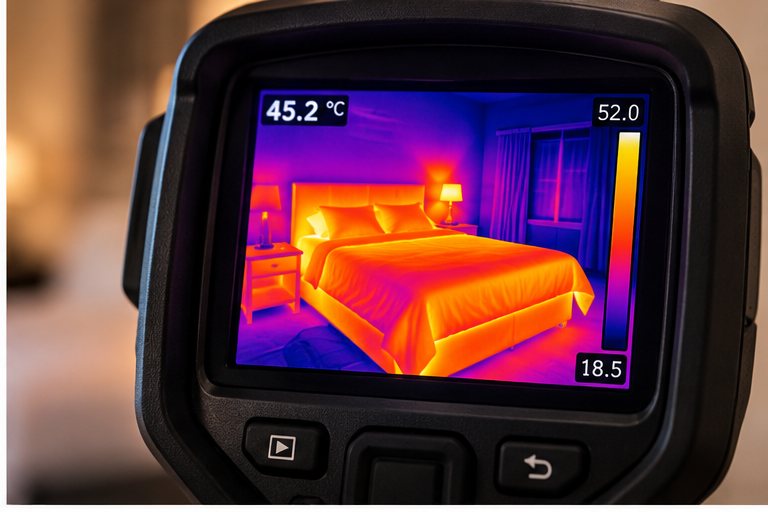
Compact modern rooms also tend to heat evenly, and the thermal camera shows us when the corners and the underside of the bed have caught up. For how the day runs from start to finish, the London page on bedbug heat treatment has the full explanation.
What It Costs and When Chemical Fits Better
Treatments start at £220. Heat costs more than chemical, and the figure depends on how many rooms are involved. We give it on the phone before anything is booked.
If there is no deadline and the problem is in one room, chemical treatment may be the better use of your money. Our chemical treatment page for the borough walks through how that course runs in a family house, and the Greenwich borough page covers everything else.
← Bedbug Control Greenwich · Bedbug Heat Treatment London, in full
Bedbug Heat Treatment Greenwich — Questions
A guest is arriving in three days. Is that enough time?
Often, yes, if the room can be treated in that window and has cooled before they arrive. Ring 0800 955 1018 as soon as you can so we can check the diary.
Can the student bring their bags into the room once it has been treated?
Not straight away. Check and deal with the bags first, or the room is reinfested from the luggage. The guide to books, bags and backpacks explains how.
Who talks to the building manager about the alarms?
You do, as the resident, because they need to hear it from the flat. We are happy to give them the details they ask for about the day.
Do I need to leave the flat for the day?
You need to be out of the rooms being treated while they are hot, and most people simply go out. Pets must be out as well.
Will a heat treatment affect my neighbours?
The heat stays in the rooms we treat. The more likely issue is the reverse: if they have bedbugs too, your flat can pick them up again, which is why the managing agent should be told in writing.
Should I throw out the mattress to save time?
No. Moving an infested mattress through a building spreads them, and heat treats it where it lies. Only replace a bed if we advise it.
Bedbug Treatments in Greenwich
Every service has its own page for Greenwich: heat, chemical, hotels, commercial premises and inspections.
Heat Treatment Advice
The guides that go into bedbug heat treatment in more depth.
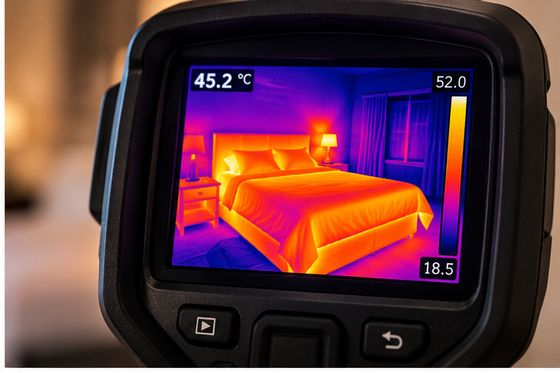
How Heat Treatment Works, and Does It Kill Eggs?
What heat actually does to a bedbug, and why an egg has no defence against it.
Read more →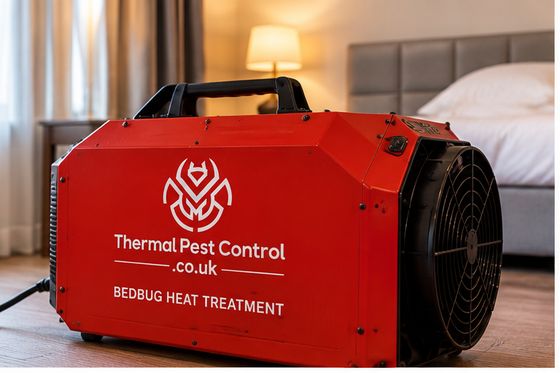
How Long Does a Heat Treatment Take?
Why one London flat takes four hours and another takes ten, and what decides it.
Read more →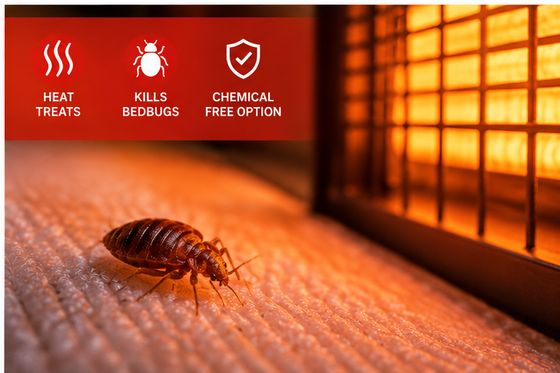
Heat or Chemical: How to Choose
Five questions to ask yourself. Answer them honestly and the right treatment picks itself.
Read more →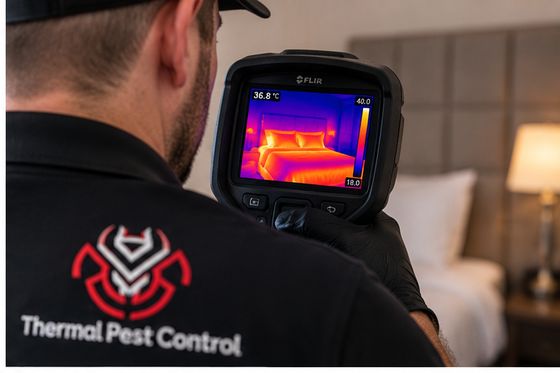
Preparing Your Home for Heat Treatment
What to do the week before, the night before and the morning of. A plan, not a list.
Read more →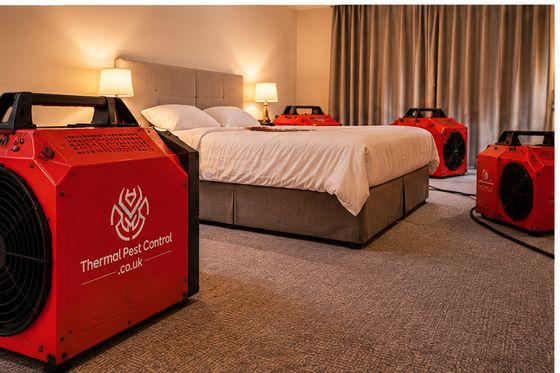
Can Bedbugs Survive a Heat Treatment?
Sometimes, yes. Here are the five ways it happens, and how each one is avoided.
Read more →Bedbug Control Across Greenwich
Each area page is written around one situation we deal with.
Tell Us About the Property
Tell us the date you need the room back and whether the building has a managed alarm system.