
- Why It Is Not a Simple Answer
- How to Report It
- What the Landlord Usually Does Next
- When the Tenant Books It
- What the Treatment Needs From Both Sides
- A Written Record of the Work
- Things Not to Do While It Is Being Sorted Out
We are pest controllers, not legal advisers. This guide is about the practical side: what to send, what usually happens next, and what the treatment needs from whoever is involved. For questions about your rights under a particular tenancy, Citizens Advice or your council’s private housing team are the right people to ask.
Why It Is Not a Simple Answer
Tenancy agreements differ, and so do the circumstances. A flat that had bedbugs before you moved in is a different situation from one where they arrived a year into the tenancy. A room let in a shared house is different again, because the landlord usually controls the common parts. On top of that, the cause of an infestation is often impossible to prove. Bedbugs arrive in luggage, second-hand furniture, visitors and sometimes from the flat next door.
So the honest answer to “who pays?” is that it depends, and that the two parties need to agree it, or get advice if they cannot. What we would say, from the pest control side, is that every week spent arguing is a week in which the problem grows and the job gets bigger.
How to Report It
A text message or an email is fine, provided it is dated and you keep it. A conversation on the doorstep is not a record. Include:
- The date you first noticed something, and the date you confirmed it
- Which rooms are affected, and which are not as far as you can tell
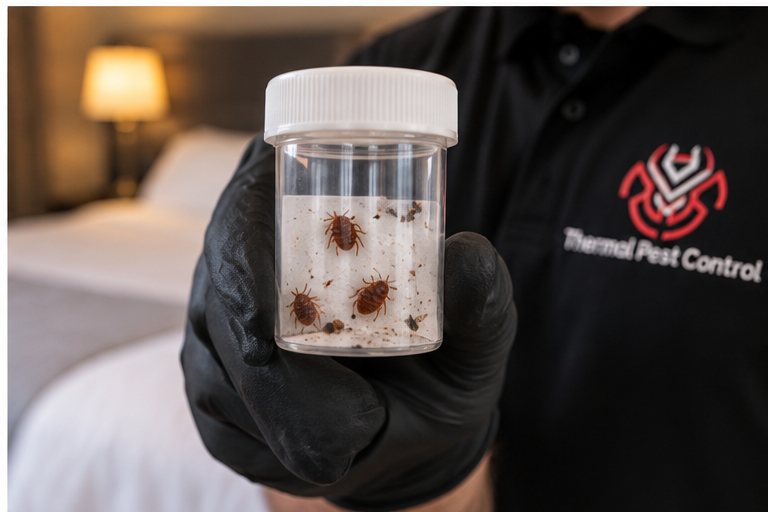
- What you have seen: live bugs, dark spotting on the mattress, shed skins, bites
- Photographs, ideally with something for scale
- Anything you have already done, such as washing bedding or using a shop spray
- When you are available for access
If you are not certain they are bedbugs, say so. An inspection confirms it and gives both sides something to work from; our guide to lookalikes helps if you are unsure what you have found.
What the Landlord Usually Does Next
Most landlords and letting agents, once told in writing, arrange an inspection or a treatment themselves, because it protects the property and the next tenancy. Some ask the tenant to book and send the invoice. Some want to see evidence first. Any of these can work, as long as the arrangement is agreed before anyone rings us, not after.
If you have heard nothing after a reasonable time, send a short follow-up referring to the first message. Keep that too.
When the Tenant Books It
Sometimes a tenant decides not to wait. If you do, agree with the landlord beforehand whether they will contribute, and in writing. We give the price on the phone before anything is booked, so you can pass the figure on. Bedbug treatments start at £220, and heat costs more than chemical.
What the Treatment Needs From Both Sides
Whoever pays, the treatment itself needs three things: access to every affected room, someone who knows what has been seen, and someone who will do the preparation. For chemical treatment that means stripping and hot-washing bedding and clearing the floors. For heat it means taking out the heat-sensitive items on the list we send. Tenants and landlords both need that information before the day, not on it.
In a converted house, the landlord may also own the other flats, or be in touch with whoever does. That matters, because treating one flat while the next one is affected rarely holds. The Lewisham overview explains why the building needs thinking about.
A Written Record of the Work
After a treatment, keep whatever we give you about what was found and what was done, along with the dates of any follow-up visits. If the problem returns later, or the tenancy ends, that record is far more useful than memory. It also helps a landlord show the flat was dealt with before the next person moves in.
Things Not to Do While It Is Being Sorted Out
- Do not throw out the mattress or bed unless we advise it. Carrying it through the building spreads them
- Do not move into another room or onto the sofa. Sleeping elsewhere usually takes them with you
- Do not keep spraying shop products. It scatters them and makes the treatment harder
- Do not stop reporting because the first message went unanswered
Related Questions
Can my landlord make me pay for bedbug treatment?
It depends on the tenancy and on the cause, and we cannot advise on that. Citizens Advice or the council’s private housing team can.
Should I tell my landlord even if I plan to pay myself?
Yes. They may own or manage neighbouring flats, and a written report protects you if the problem comes back or is disputed later.
Will you send the landlord a report?
We give what we found and what we did to whoever books the work. If you want it passed on, you can forward it.
I rent a room in a shared house. Who deals with it?
Usually the landlord, because shared parts are involved, but again it depends on the agreement. The HMO guide covers how multi-occupancy buildings are treated.
More Bedbug Advice for Lewisham
Written up in full for people in the borough, and worth reading before the treatment day.
Do Mattress Encasements Help?
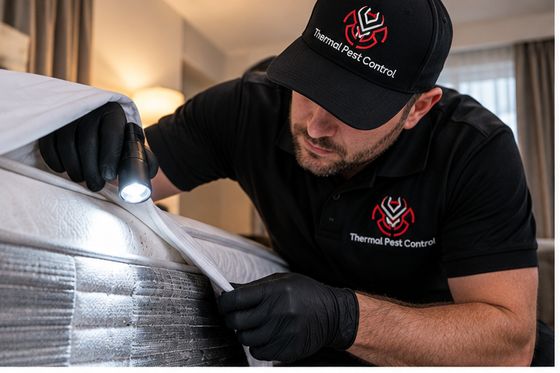
What a zipped mattress cover can and cannot do, and when it earns its keep.
Read more →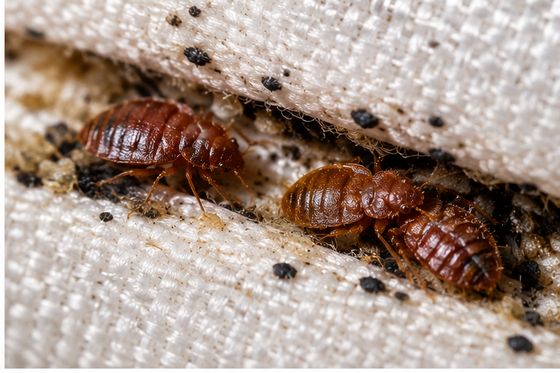
Laundry Bags and Launderettes
Getting infested washing to the machine and back without spreading them.
Read more →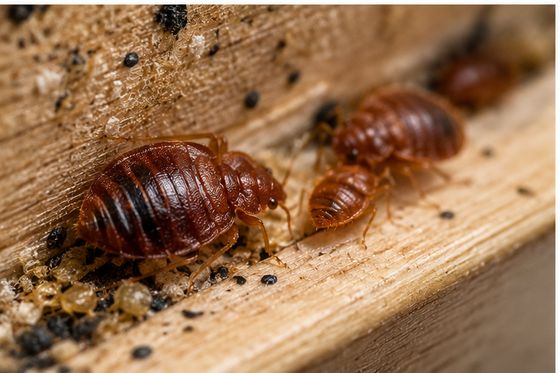
Behind Wallpaper, Sockets and Frames
Where bedbugs go once the bed is full, and how treatment follows them.
Read more →
Home Remedies: What They Actually Do
Diatomaceous earth, tea tree, alcohol, steamers and plug-ins, honestly assessed.
Read more →Bedbug Control Across Lewisham
Each area page is written around one situation we deal with.
Bedbug Treatments in Lewisham
Every service has its own page for Lewisham: heat, chemical, hotels, commercial premises and inspections.
Tell Us About the Property
Tell us what you have seen and where, and we will tell you what it needs.