

Where This Page Picks Up
The first hours after a guest report, from closing the room to checking the ones beside it, are on our Borough page. What we offer hotels in general is on our London hotel page for the full explanation. This page is about the longer piece of work. It is written for hotels around London Bridge and Bankside with enough rooms that one report is unlikely to be the last. In a building like that, housekeeping, the front office and maintenance all need to work from one plan.
From a Single Report to a Programme
Treating one room after a complaint deals with that room. It says very little about the other floors. A programme begins by finding out where the building stands, then sets a rhythm of checks and treatment that fits around occupancy instead of breaking into it.
- A baseline survey. We inspect a planned sample of rooms on each floor, weighted towards rooms with a history, rooms next to any that have been treated, and rooms with upholstered headboards or sofa beds.
- A room map. Findings are recorded against room numbers, so you can see which stacks and corridors are involved and which are clear.
- Treatment in batches. Affected rooms, and those sharing walls, pipework or ceilings with them, are grouped so they leave sale together and return together.
- Follow-up checks. Treated rooms and their neighbours are looked at again on an agreed date, not left until the next complaint.
- A routine for the rest of the year. Scheduled inspection rounds, with housekeeping checks in between.
How large each stage is depends on the building. We agree it with you after the survey and before anything is booked. If a smaller plan would do the job, we will say so.
Treating Many Rooms Without Losing the Week
In a large hotel the difficult part is rarely one room. It is fitting a batch of rooms around arrivals, conferences and group bookings. Heat usually suits that best: a room is normally finished in one visit and returns once it has cooled, with no second date to hold in the reservation system. Chemical costs less per room, but a course of two or three visits leaves rooms moving in and out of use for several weeks. How each route behaves in a single room is on our heat and chemical pages for the borough.
- Tell us your quieter nights, and we plan the batches around them.
- Give us a named contact in reservations so rooms are blocked well before the day.
- Agree a service lift and a back-of-house route for the equipment.
- Decide who signs a room back into sale once we hand it over.
Housekeeping Checks That Feed the Plan
Between our visits, room attendants see every bed every day, which makes them the earliest warning a hotel has. The places to look are listed in our guide on where hotels should check, so they are not repeated here. What a big property needs on top of that list is a route for a sighting to reach the right person, and a record that turns scattered sightings into a pattern.
- One short form or log entry for anything suspicious: room number, date, and where on the bed or furniture it was seen
- A named person on each shift who decides whether the room comes off sale
- A photograph with every entry, which often tells us whether a visit is needed
- A regular look through the log with us, to spot rooms or corridors that keep coming up
Show new and agency staff the routine when they start. A check that only two long-serving attendants know about stops working on their days off.
What Contract Cover Means
For a hotel of this size, a contract is usually simpler than ringing each time. It sets out how often we inspect, which rooms each round includes, how a report from your team is handled, and what records you receive. It does not replace the housekeeping checks. It gives them somewhere to report to.
Contract work is quoted on the number of rooms and how often we visit, once we have seen the building. Two hotels with the same room count can need very different cover, so there is no set contract figure. Individual treatments start from £220, and a batch of rooms is priced before anything is booked.
Records Your Group Will Ask For
A hotel owned by a group, or run by a management company, will want to see what has been found and done. After each visit you get a written record of the rooms inspected, what turned up in each, which rooms were treated and how, and what we suggest next. Kept together over a year, those records show whether the programme is working, which is the question a general manager is most often asked.
If a complaint turns into a dispute, the same records show what the hotel did and when. We are pest controllers, not legal advisers, so how that record is used is a matter for you and your own advisers.
When a Programme Is More Than You Need
Not every hotel near London Bridge needs this. A guest house with a handful of rooms is usually better served by handling each report properly, which the Borough page covers. Inspections start from £120, so a single doubtful report can be checked before any room is treated. Homes rather than hotels are covered on our Southwark bedbug control page.
← Bedbug Control Southwark · Hotel Bedbug Treatment London, in full
Hotel Bedbug Treatment Southwark — Questions
Do we need a contract, or can we call when something happens?
Either works. A contract suits a large hotel that wants regular inspection rounds and an agreed way of handling reports; a smaller property can call as needed. We tell you which we think fits once we have seen the building.
How many rooms do you inspect on each round?
That is agreed with you and depends on the size of the building and its history. Rooms with past sightings, and the rooms around them, are usually on every round.
Can a batch of rooms be treated overnight?
Inspection rounds can often be fitted around your quieter hours. Heat needs a room empty for most of a day, so heat batches are usually planned for low-occupancy days rather than overnight.
What should our room attendants do if they find something?
Leave the bed as it is, photograph what they found, log it and tell the duty manager so the room can come off sale. Our Borough page covers the first hours in more detail.
Who at the hotel should be our contact?
Ideally one person who can block rooms in the reservation system and one who runs housekeeping. In many hotels that is the same person, which makes it simpler.
How much does a programme cost?
It is quoted on the rooms involved and how often we visit. Treatments start from £220 and inspections from £120, and you have the figure before anything is booked.
Bedbug Treatments in Southwark
Every service has its own page for Southwark: heat, chemical, hotels, commercial premises and inspections.
Hotel Advice
The guides that go into hotel bedbug treatment in more depth.
When a Guest Reports Bedbugs
Handling the person, not the room. The conversation, the offer, and the review that follows.
Read more →
Treating Without Closing the Hotel
The practical logistics of working inside a live hotel, from access routes to fire alarms.
Read more →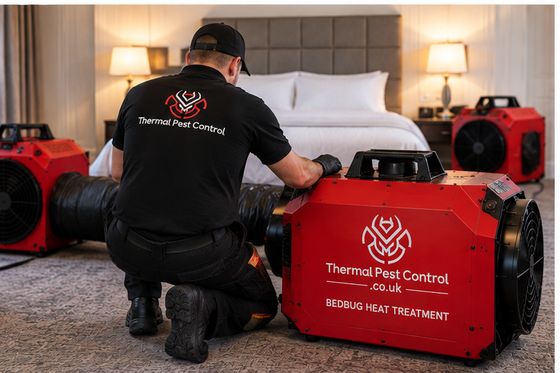
Putting the Room Back Into Service
Not how fast it can go back on sale, but how you satisfy yourself it should.
Read more →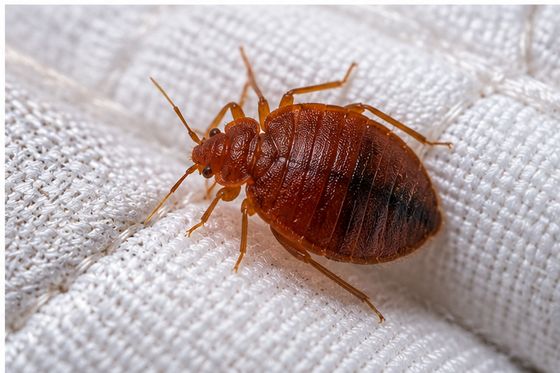
The Ninety-Second Housekeeping Check
A trainable routine your room attendants can run between every stay.
Read more →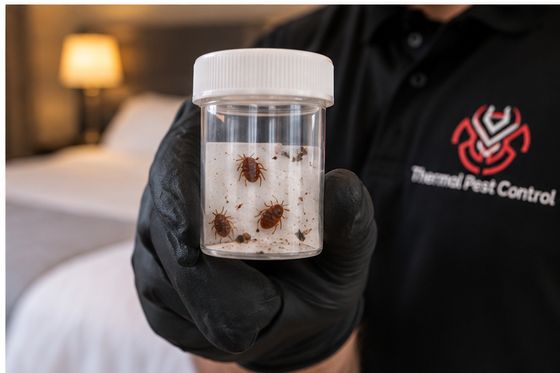
Stopping Them Spreading Between Rooms
Linen, trolleys, vacuums, uniforms and voids. The five routes, and how each is closed.
Read more →Bedbug Control Across Southwark
Each area page is written around one situation we deal with.
Tell Us About the Property
Tell us how many rooms the hotel has, which rooms have a history, and whether you want a one-off survey or regular cover.