

What This Page Covers
HMOs, care homes and the written report every commercial client receives are on our London commercial page for the full explanation. This page is narrower. It deals with offices and shared workspaces around Borough and Bankside, and with student halls and student rooms across Southwark: places where many people pass through and share the same seats, desks and common rooms.
How Bedbugs Get Into a Workplace
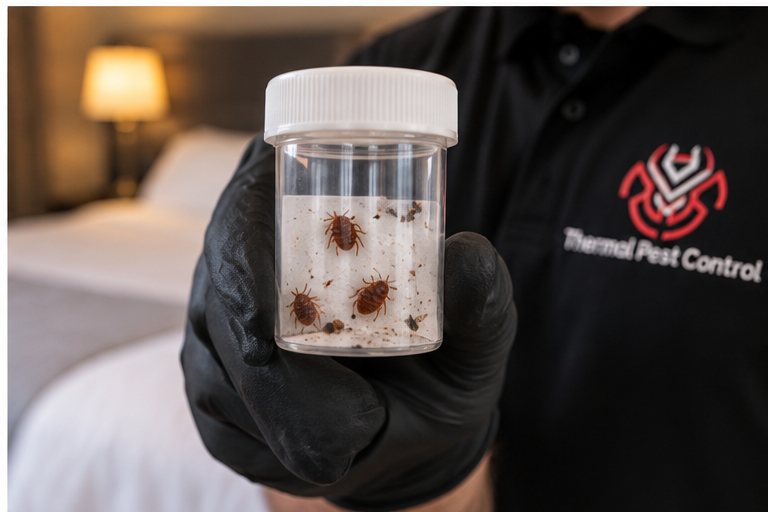
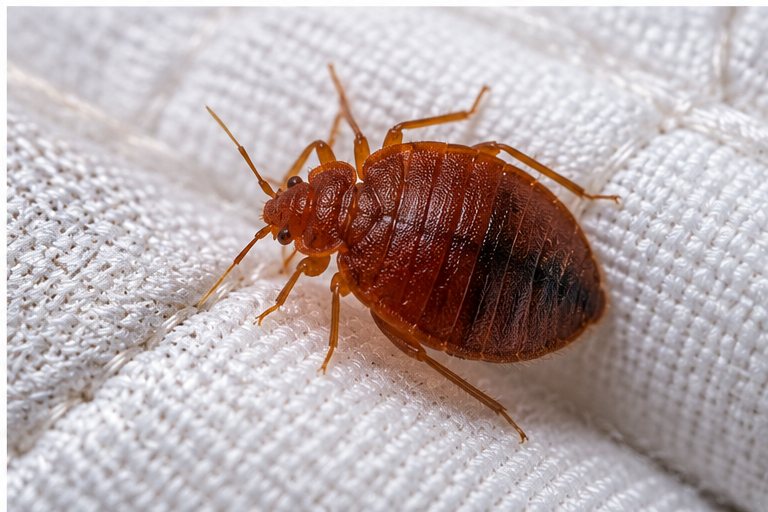
Bedbugs do not fly or jump, and they do not come through the air conditioning. They are carried. At work that usually means a bag put down under a desk, a coat hung on a chair or thrown over a sofa, or a laptop case that spent the night beside someone’s bed. From there a few may walk into the nearest soft seat or cushion seam.
Because nobody sleeps at a desk, an office seldom keeps a breeding population going. What matters is that the office is often where they are first noticed, not where they started. Treating the chairs deals with what is in the building, while the source is usually a home. Our London guide to bedbugs in the workplace covers handling that with staff fairly.
Shared Workspaces and Hot Desks
A coworking floor or hot-desk office has more people coming and going, more bags, and furniture that belongs to nobody in particular. Sofas, booths, beanbags and padded benches are used by someone different every hour. That makes them the likeliest places for anything carried in to end up.
- Soft seating first. Breakout sofas, booths and upholstered chairs, seam by seam and underneath.
- Coat and bag areas. Hooks, lockers and the floor below them, where bags are left in a pile.
- Desks and task chairs used by whoever reported bites, and the seats they use most.
- Phone booths and quiet rooms with padded walls or bench seats.
What we find decides what gets treated. One chair can be treated or taken out of use. Several sofas in a breakout area usually means treating that area as a whole, with the floor edges around it.
Treating Shared Furniture Out of Hours
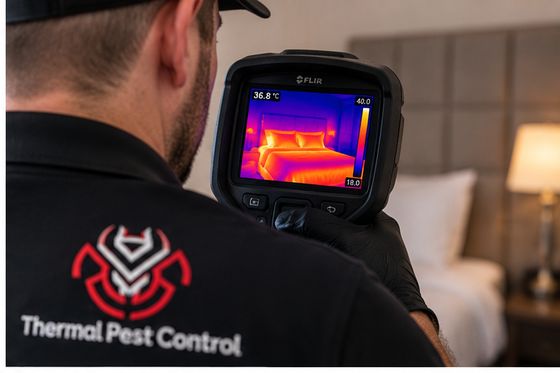
Most offices and workspaces want the floor open during the working day, so treatment is planned for an evening or a weekend. After a chemical treatment the area is back in use once treated surfaces are dry. Heat can suit a sofa or booth that a residual does not reach well, but heating an open office floor is rarely worth it when the problem sits in a few pieces of furniture.
- Agree with the building manager when the floor is empty and how we get in.
- Tell staff or members the day before which areas are closed, and ask them to take bags and coats home.
- We inspect, then treat the furniture involved and the floor edges around it.
- The area is handed back with a note of what was treated and anything that should stay out of use.
- A follow-up visit is booked where the treatment used needs one.
Chemical treatment does not reliably kill eggs, so it usually means two visits, sometimes three, about 10–14 days apart, each fitted outside working hours. How the two routes compare in the borough is on our heat and chemical pages.
Student Halls
Halls are different because students sleep in them. A bedbug carried in on a bag at the start of term finds a bed, and a corridor of rooms that share walls, pipes and a kitchen. The approach is closer to a block of flats than an office: find the affected rooms, check the ones either side, and treat them together.
Common rooms and study areas are handled like office furniture, out of hours. Bedrooms need each student to prepare, which means clear written instructions on what to bag and wash, given in good time. Our flat share guide is written for tenants but works as a model for that. The London guide to student accommodation covers the pressure points in the academic year, and a student living alone in a studio will find more on our Elephant and Castle page.
Telling Staff and Students
People get anxious when they hear the word bedbugs at work, and the anxiety can do more harm than the insects if it is handled badly. Tell those who use the affected area what has been found, what is being done and when. Do not name the person who reported bites. Say plainly that bites alone do not prove bedbugs, and that anyone worried about a skin reaction should see a pharmacist or GP. If anyone thinks they have them at home, our Southwark page is the place to start.
What It Costs
Commercial work is quoted on the rooms, furniture and areas involved, after an inspection where one is needed. Treatments start from £220 and inspections from £120, and you have the figure before anything is booked. Regular inspection of a hall or a large office is quoted on the number of rooms once we know the building.
← Bedbug Control Southwark · Commercial Bedbug Treatment London, in full
Commercial Bedbug Treatment Southwark — Questions
Do we need to close the office?
Usually not. The work is done out of hours, and the area is back in use once treated surfaces are dry, or once a heated item has cooled.
Should we throw out the sofa where they were found?
Not before we have seen it. Carrying it through the building can spread them, and most furniture can be treated where it stands.
Can staff take bedbugs home from the office?
It can happen if one is carried in and picked up again, but it is uncommon. Keeping bags off the floor and off shared sofas makes it less likely.
Should we tell everyone in the building?
Tell the people who use the affected area, plainly and without naming whoever reported it. If you rent the space, tell the landlord or managing agent in writing.
Can you inspect halls between terms?
Yes. Ring with the number of rooms and the dates the building is empty, and we will plan the visits around them.
Do you treat the whole floor or just the furniture?
Whatever the inspection shows is involved. Often that is a few pieces of seating and the floor around them, not the whole office.
Bedbug Treatments in Southwark
Every service has its own page for Southwark: heat, chemical, hotels, commercial premises and inspections.
Commercial Advice
The guides that go into commercial bedbug treatment in more depth.
Bedbugs in the Workplace
The source is almost always somebody's home. Handling that without humiliating anyone is the real job.
Read more →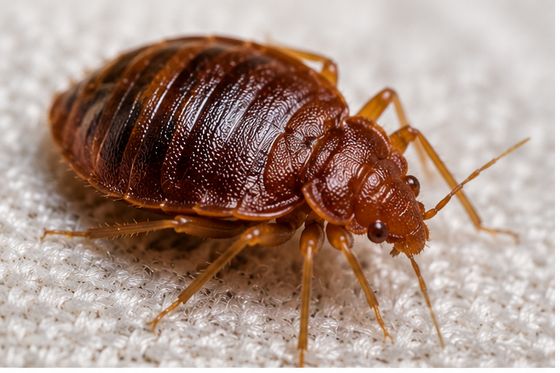
HMOs and Serviced Apartments
Getting into every unit at once is the hard half of block work. How it is actually scheduled.
Read more →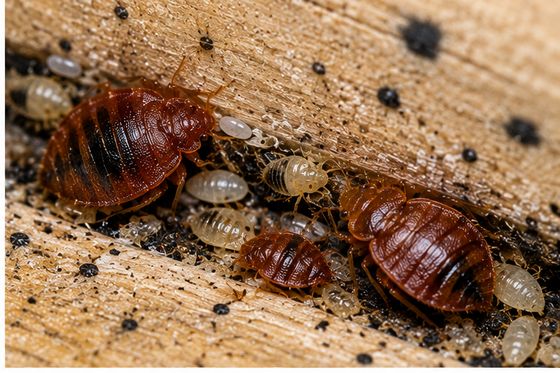
Student Accommodation and Halls
The academic calendar is a pest calendar. Build the inspection programme around it.
Read more →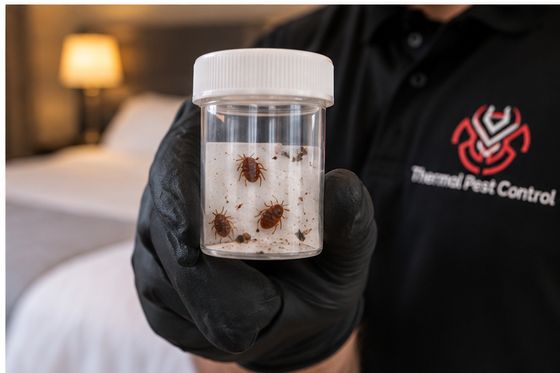
Bedbug Treatment for Care Homes
Treating around a resident who cannot easily move, and why heat is often the wrong answer.
Read more →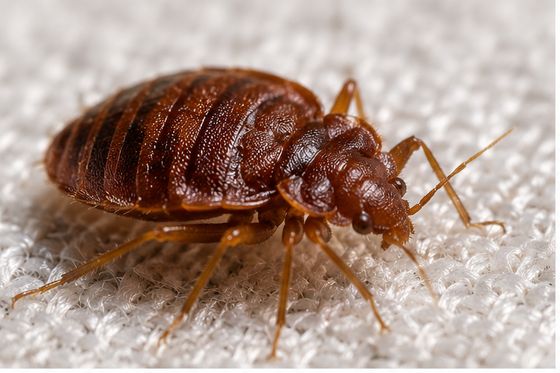
Can Bedbugs Spread Through an Office?
What an office 'infestation' turns out to be when somebody actually investigates it.
Read more →Bedbug Control Across Southwark
Each area page is written around one situation we deal with.
Tell Us About the Property
Tell us whether it is an office, a shared workspace or student halls, what was found and where, and when the space is empty.