

Where This Fits
How chemical treatment works, and why it takes more than one visit, is on our London page for the full explanation. The conversation with the landlord and the neighbours has its own guide: bedbugs on an estate when the neighbours have them too. This page covers one thing in between. It explains what the treatment in your flat does at the boundary with the flats around it. That matters in the large council estates of Peckham and Camberwell and in blocks across Southwark, while the other flats are still waiting their turn.
The Edges of an Estate Flat
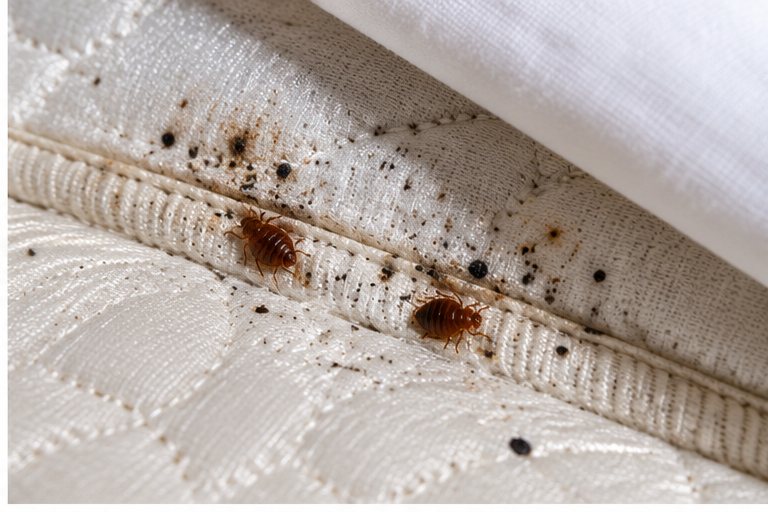
Inside a flat, bedbugs stay close to where people sleep and sit. Between flats they use the parts of the building that connect one home to the next. So alongside the bed, the frame and the furniture, we work along the lines where your flat meets someone else’s:
- Skirting boards on the walls you share with the flats either side
- Where heating and water pipes come through the wall or the floor, and any boxing around them
- The gaps around sockets and switches on a shared wall
- The threshold and frame of the front door onto the landing or deck
- Behind and under kitchen and bathroom units where the pipework runs
- The edges of the floor where the carpet or vinyl meets the wall
The residual left along those lines kills bedbugs that cross it. Anything that leaves a neighbouring flat and heads into yours has to cross one of those edges to reach a bed, which is why the edges get as much attention as the mattress when the block is involved.
What the Barrier Can and Cannot Do
It is worth being plain about this. The residual at the edges protects your flat while it lasts. It does not treat the flat next door, and it does not make the block clear. Until the other affected flats are dealt with, a few bedbugs may keep arriving at the boundary. The residual should kill most of them there, but a flat surrounded by untreated ones is carrying a risk we cannot remove from your side of the wall.
Nor does it last for ever. A residual wears down over time and is removed by cleaning. That is one reason the follow-up visits matter so much on an estate: each one kills what has hatched since and also renews the barrier at the edges.
Timing the Course Against the Rest of the Block
Chemical treatment is a course. There are usually two visits, sometimes three, about 10–14 days apart, and each one takes an hour or two. On an estate that stretch of weeks is an advantage. If the landlord’s contractor is treating the neighbouring flats over the same period, your edges are covered while theirs are being done.
- Ask the landlord, in writing, when the other affected flats are due to be treated.
- Tell us those dates when you ring, even if they are only approximate.
- We place your first visit so the course overlaps the work next door where we can.
- If the neighbours’ treatment slips, tell us, as a third visit may be worth it.
If nobody else in the block is being treated yet, it is still worth doing yours. Treatment in your own flat is not wasted while you wait for the landlord, as long as you know the edges are holding the line rather than closing it.
Between Visits in a Shared Block
The usual advice for the weeks of a chemical course applies. Keep sleeping in your own bed, and leave shop sprays alone. On an estate a few things carry more weight, because of what is on the other side of the walls.
- Do not wash or scrub the skirtings and door frame. Hoover the floor, but leave the edges we treated alone until the course is finished.
- Do not fill or seal gaps in the meantime. Tell us about them; filling them before we treat can trap bedbugs in the wall.
- Keep the bed a little away from the shared wall, so the route to it runs across treated floor.
- Note where you see a bedbug. One near the front door or on the shared wall points to arrivals from next door. One in the mattress points to survivors in your flat. We treat those two differently.
Shop aerosols matter more in a block than anywhere else, because what they push out of your bedroom can go into the wall and on to the next flat. Leave them in the cupboard.
When Heat Is Worth Considering Instead
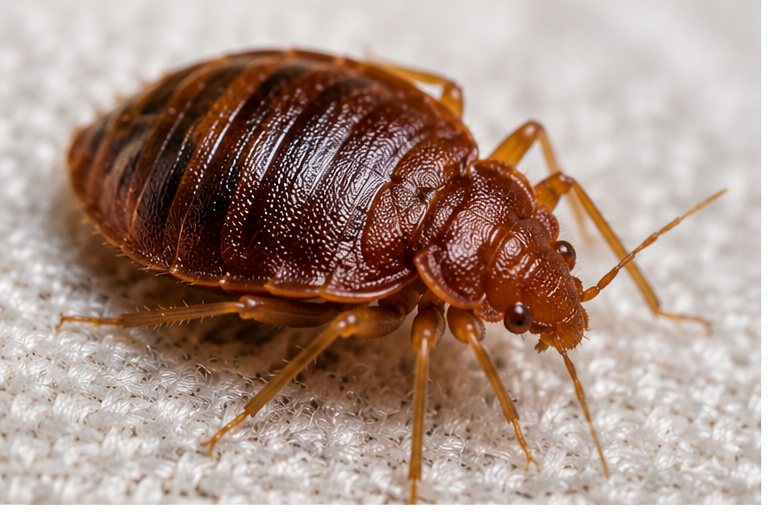
Chemical treatment is usually the practical choice for an estate flat in this situation, but not always. If the bedbugs are already in several rooms of your flat, or you cannot give the course the weeks it needs, heat treatment in Southwark clears the rooms in one visit, eggs included. We would still add a light residual at the edges afterwards in a shared block, since heat leaves nothing behind. Heat costs more than chemical.
Treatments start at £220. The figure depends on how many rooms are involved and which treatment, and you have it on the phone before anything is booked. If several people share the flat, getting everyone ready helps with the preparation, and for the borough as a whole see our Southwark page.
← Bedbug Control Southwark · Bedbug Chemical Treatment London, in full
Bedbug Chemical Treatment Southwark — Questions
Can chemical treatment stop bedbugs coming in from next door?
It kills most of those that cross the treated edges, which protects your flat while the residual lasts. It cannot clear the neighbouring flat, so the block is not finished until every affected flat has been treated.
Should I seal the gaps around my pipes before you come?
Not before the treatment. Tell us where they are so we can treat them first. Filling them too early can shut bedbugs into the wall rather than out of your flat.
How long does the residual keep working?
It wears down over time and is removed by cleaning, which is why the follow-up visits matter. Do not wash the treated skirtings and door frame until the course is finished.
My neighbour is not being treated yet. Is it worth doing mine?
Usually, yes. You clear what is in your flat and hold the edges. Be realistic that some may keep arriving until next door is done, and keep reporting it to the landlord in writing.
Can I sleep in my flat during the course?
Yes, once the treated surfaces are dry after each visit. Keep sleeping in your own bed and follow the instructions we give you on the day.
Do you treat the landing or the stairwell?
We treat your flat, including the front door frame and threshold. Shared areas belong to the landlord, so ask them about those in writing.
Bedbug Treatments in Southwark
Every service has its own page for Southwark: heat, chemical, hotels, commercial premises and inspections.
Chemical Treatment Advice
The guides that go into bedbug chemical treatment in more depth.
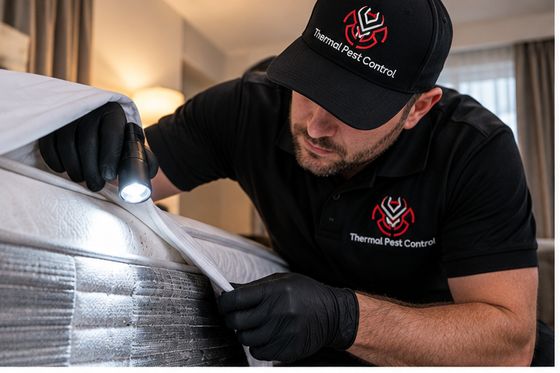
How Professional Chemical Treatment Works
What is actually in a professional treatment, and why it is not the tin from the hardware shop.
Read more →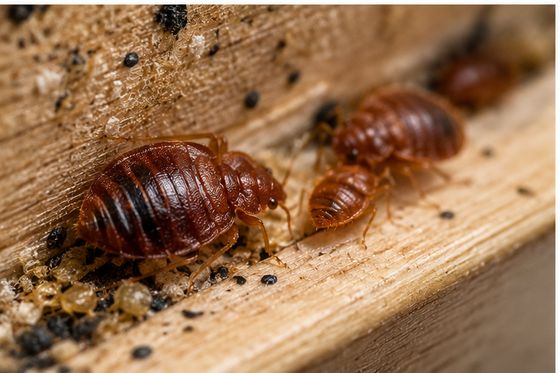
How Many Treatments Does It Take?
The bedbug life cycle sets the number, not the pest controller. Here is the timetable.
Read more →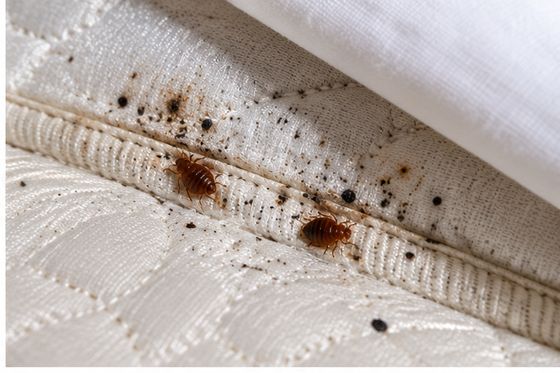
What Happens After the Treatment
Day one to week six, what you will actually see, and when to stop worrying.
Read more →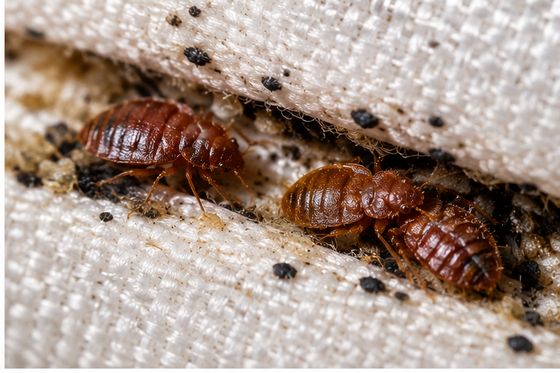
Why Bedbugs Reappear After Treatment
Hatching, survival or re-introduction. Three different problems that look identical.
Read more →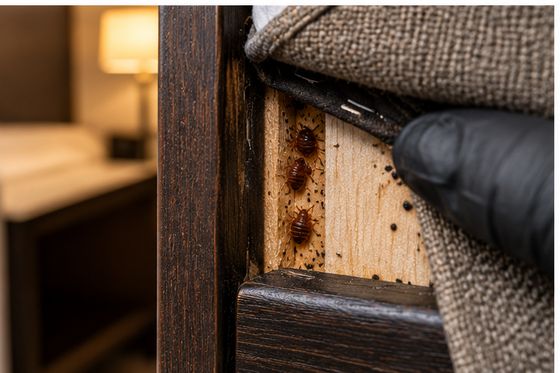
Where Pest Controllers Actually Treat
Why bedbugs choose the places they do, and the places we deliberately leave alone.
Read more →Bedbug Control Across Southwark
Each area page is written around one situation we deal with.
Tell Us About the Property
Tell us which flats around you have bedbugs and when the landlord plans to treat them, and we will time your course to match.