

What This Page Covers
How heat kills bedbugs, eggs included, is set out on our London page for the full explanation. This page is about the buildings heat is most often asked for in Southwark: flats in the new towers around Elephant and Castle, and converted warehouses and riverside blocks in Bermondsey and Rotherhithe. Both kinds of building tend to have a managing agent, a fire system that covers every flat, and rules about contractors. None of that stops a heat treatment. It does mean a few phone calls beforehand.
Tell the Building Before You Book
Most blocks of this kind expect to be told when a contractor is coming in, and some need a date agreed in advance. Tell the managing agent or the concierge in writing that a bedbug heat treatment is planned, and ask three things:
- Contractor access. Which entrance, what hours, and whether we need to sign in or be met at the door.
- The lift. Whether there is a goods lift, whether it has to be booked, and whether the passenger lift can be used with equipment in it.
- The fire system. Who is responsible for it, and what they need from us before a detector in your flat can be isolated for the day.
Give us the answers when you ring, along with the name of whoever we should speak to. If the agent would rather talk to us directly, that is fine; we would rather have that conversation early than be turned away at reception with a van full of kit. If you rent, the same message tells your landlord what is happening, which is worth doing in writing anyway.
Detectors, Sprinklers and the Rest of the Block
Heat treatment makes no smoke, but it does make heat, and some detectors are designed to react to exactly that. In a house we isolate the detector in the treated room ourselves and put it back afterwards. In a tower or a converted block the detectors are often linked to a panel that serves the whole building, so isolating one can be a job for the building’s own fire contractor, not for us or for you.
If your flat has sprinkler heads in the ceiling, mention them at the start. They respond to heat too, and a treatment in a room with sprinklers has to be planned with the building rather than worked out on the morning. Please do not cover a detector or a sprinkler yourself before we arrive. Leave it to the people responsible for the system and to us.
Getting the Equipment Up to the Flat
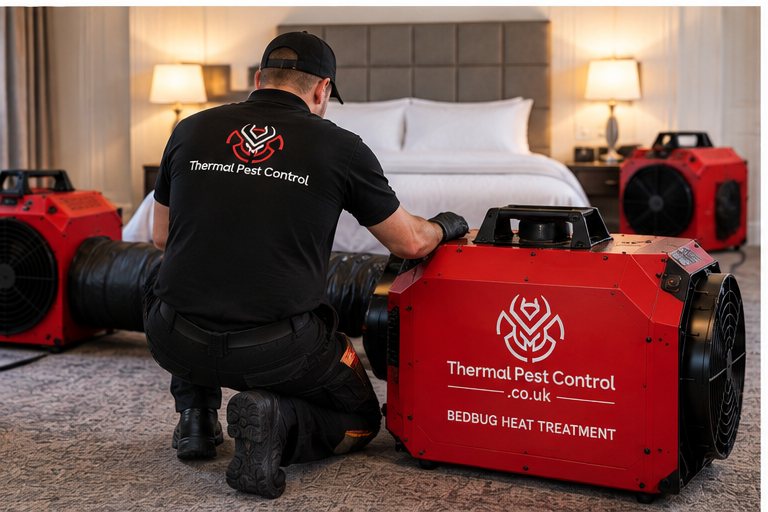
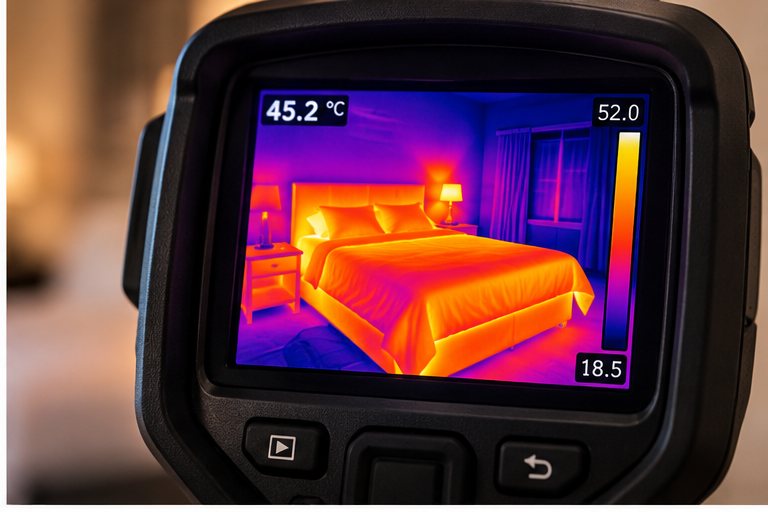
A heat treatment needs heaters, circulation fans, cabling and a thermal camera. It does not all fit in one trip, and it has to go from the street to your front door and back again at the end of the day. On the twentieth floor of a tower, that depends entirely on the lift. In a warehouse conversion it can be the other way round: a lovely space at the top of three flights of stairs and no lift at all. Either way, tell us, because it changes how we plan the morning.
- Parking or loading. Say if the building has a loading bay or visitor space, or if the nearest place to stop is some distance away.
- Stairs only. A walk-up flat is no reason not to use heat, but we need to know before the day.
- Power. The heaters draw a lot of electricity. We will ask where your fuse board is and which sockets you have in the treated rooms.
- Your front door and corridor. If the corridor is narrow or has fire doors held shut, we plan around them rather than prop them open.
Large Open Spaces and Tall Ceilings
The size of the space is the other thing that sets these flats apart. A warehouse flat with the bed, sofa and kitchen under one ceiling, or a tower flat with a wall of glass and an open living area, means more air to heat than a bedroom with a door. We go through what that means for the equipment, the fans and the thermal camera, and whether to heat the whole space or screen off part of it, on our Bermondsey page. If your home is a single room where you sleep, cook and work, the Elephant and Castle page covers studios.
For the building itself, the practical point is time. A large open space takes longer to come up to temperature and longer to cool, so tell the concierge that we will be in the flat for most of the day, and that the equipment leaves in the late afternoon or evening rather than at lunchtime.
Your Neighbours, and When Heat Is Not the Right Call
Heat leaves nothing behind in the flat once it cools. In a tower or converted block, where your walls and floor are shared, we may put a light residual along the edges of the treated rooms afterwards, so anything coming through from next door meets it. If you already know a neighbour has them, our guide to neighbours with bedbugs covers what to tell the landlord.
Heat is not always the answer in a managed block. If the building will not agree access for a full day, or the fire system cannot be isolated, chemical treatment in Southwark works well in a flat and needs only an hour or two a visit, over two or sometimes three visits. We would rather tell you that on the phone than book a heat day the building cannot support.
What It Costs
Treatments start at £220, and heat costs more than chemical. The figure depends on the number of rooms, or in an open-plan flat on the size of the space being heated, and you get it on the phone before anything is booked. If you are not yet sure it is bedbugs, an inspection from £120 confirms it first. For the rest of the borough, including estates and flat shares, see our Southwark bedbug control page.
← Bedbug Control Southwark · Bedbug Heat Treatment London, in full
Bedbug Heat Treatment Southwark — Questions
Do I need permission from the building to have heat treatment?
You do not usually need permission to treat your own flat, but most managed buildings need to know about contractors and about any work on the fire system. Tell the managing agent in writing and pass their answer on to us.
Will the heat set off the fire alarm for the whole tower?
It should not, if the detector in the treated room has been isolated properly beforehand. In a building with a central panel, that is arranged with whoever looks after the system.
What if there is no lift?
Tell us when you ring. We can still carry the equipment up, but it takes longer, and we plan the morning around it.
Can you heat an open-plan warehouse flat in one visit?
Usually, yes. It takes longer than a single bedroom because there is more space to bring up to temperature, and the price reflects the size of the space.
Can I stay in the flat during the treatment?
No. You need to be out of the rooms being heated for most of the day, and pets go out with you. In a studio or open-plan flat that means out of the flat.
Does the concierge need to let you in?
In many buildings, yes. Tell them the date in advance and give us the name of whoever will be on the desk.
Bedbug Treatments in Southwark
Every service has its own page for Southwark: heat, chemical, hotels, commercial premises and inspections.
Heat Treatment Advice
The guides that go into bedbug heat treatment in more depth.
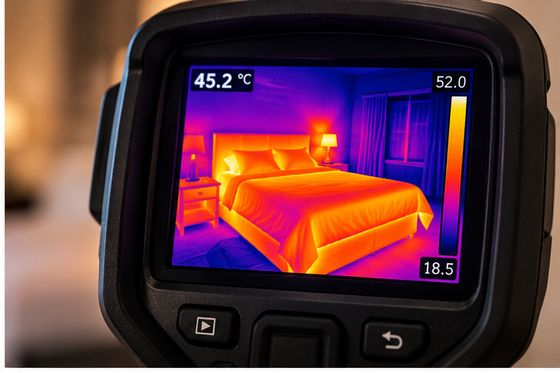
How Heat Treatment Works, and Does It Kill Eggs?
What heat actually does to a bedbug, and why an egg has no defence against it.
Read more →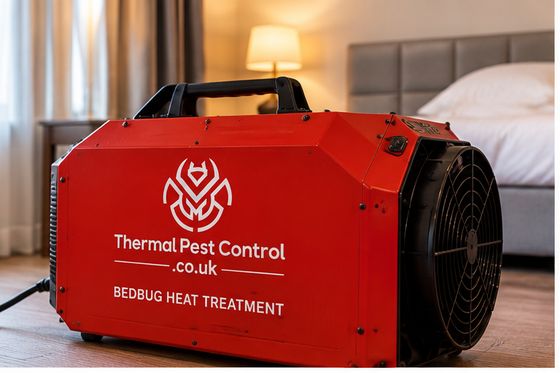
How Long Does a Heat Treatment Take?
Why one London flat takes four hours and another takes ten, and what decides it.
Read more →
Heat or Chemical: How to Choose
Five questions to ask yourself. Answer them honestly and the right treatment picks itself.
Read more →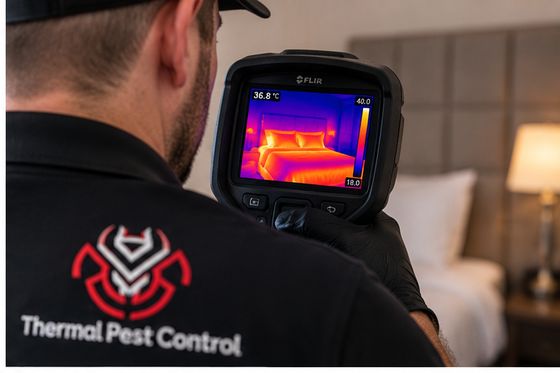
Preparing Your Home for Heat Treatment
What to do the week before, the night before and the morning of. A plan, not a list.
Read more →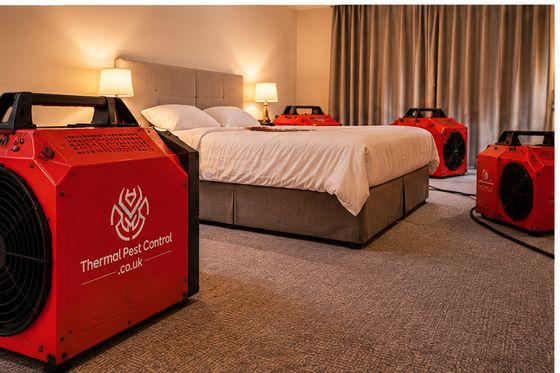
Can Bedbugs Survive a Heat Treatment?
Sometimes, yes. Here are the five ways it happens, and how each one is avoided.
Read more →Bedbug Control Across Southwark
Each area page is written around one situation we deal with.
Tell Us About the Property
Tell us the floor you are on, whether there is a lift and who manages the building, and we will plan the heat day around it.