

Why Short Lets Hide the Problem
In a home, the person bitten is the person who lives there, and they notice within a week or two. In a short let, the guest who brought bedbugs in has gone, the next guest is bitten on the last night and leaves without saying anything, and the one after that writes to the platform. By then the unit has had several stays.
The London commercial bedbug treatment page covers the wider range of commercial buildings, for the full explanation, and our London guide to serviced apartments and HMOs goes into them in more depth. Here we focus on operators running several units in the borough.
Changeover Cleaners Are the Early Warning
Your cleaning team sees every bed between guests. A short check at each changeover catches bedbugs before a guest does, and it does not need special kit, just a torch and the habit.
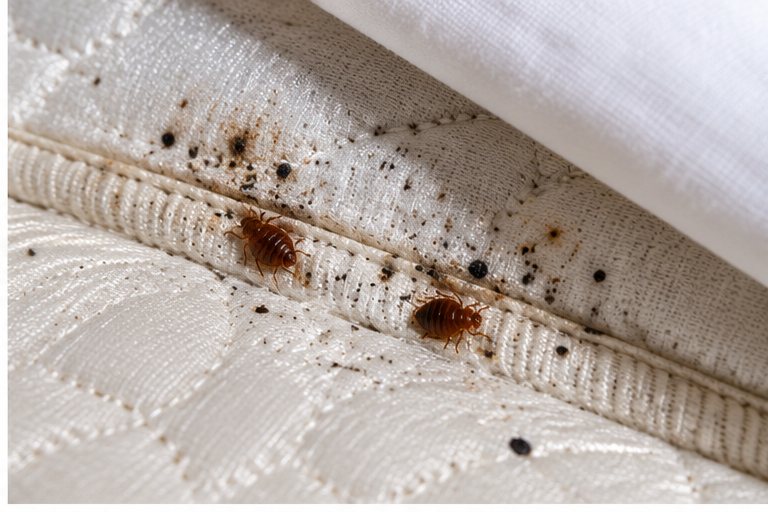
- Lift the corner of the fitted sheet and look along the mattress seam at the head end.
- Look at the joint where the headboard meets the frame, and the edge of the bed base.
- Note small dark spots, pale shed skins or live insects, and photograph them before touching anything.
- Bag stripped linen in the unit, not on the landing, and keep it apart from clean stock.
- Report sightings to one named person before the shift ends, with the unit number.
If your linen goes to an outside laundry, tell them when a unit is affected so that bag is handled separately.
Keep a simple log for each unit: the date of each check, who did it and what they saw, even when the answer is nothing. When a guest does complain, that log shows how long the unit has been clear and narrows down which stays could be involved. It also tells us which units to look at first when we arrive, which saves time on the day.
Treating a Unit Between Bookings
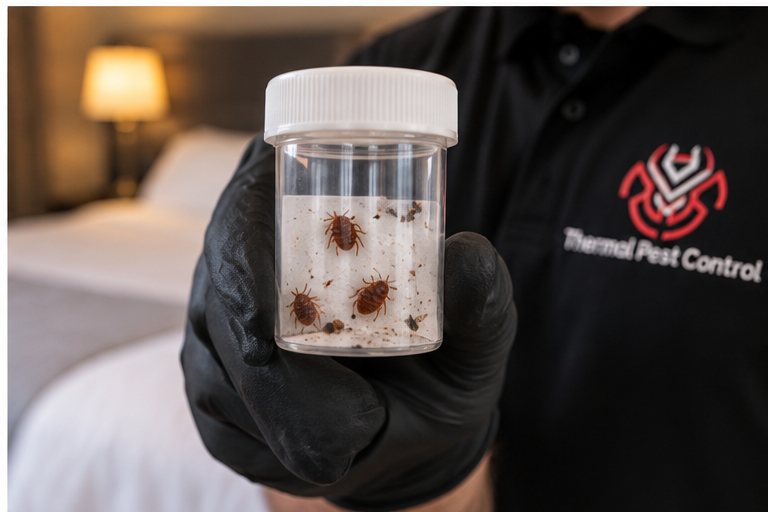
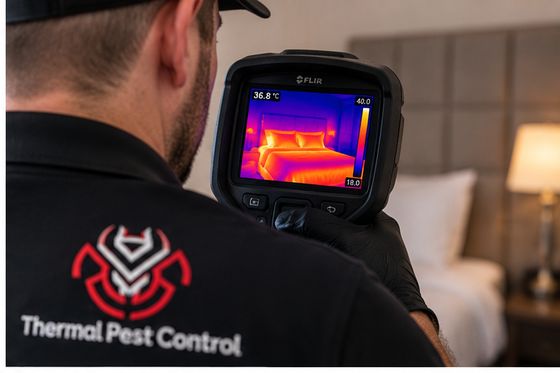
Once a unit is confirmed, block it in the calendar. The decision after that is about time. Heat usually needs one visit and the unit is ready once it has cooled, which suits a tight changeover. Chemical costs less but needs two or three visits about 10-14 days apart, so the unit is either closed for that period or let between visits with the treatment still under way, which we would not suggest.
The heat and chemical pages for the borough explain each day in practice: heat and chemical.
The Units Around It
A block of short lets shares walls, floors and service risers like any other block. When one unit is treated, the units on either side and above and below should be looked at, ideally at their next changeover. That costs far less than treating a second unit a month later.
Where the block has long-term residents as well as short lets, they may need to be told. Our guide to telling neighbours in your building helps with that conversation.
Owners, Operators and Paperwork
In many blocks the flats belong to different owners and are run by one operator. Who arranges and pays depends on the management agreement and what caused the problem, and we are pest controllers, not legal advisers. Whoever commissions us, every commercial visit comes with a written report: which units were inspected, what was found, what was treated and what we recommend next.
For owners whose own flat sits empty between their visits, our guide to second homes covers checking on arrival.
Pricing Across Several Units
Commercial work is quoted on the units and rooms involved, and treatments start from £220. Heat costs more than chemical. Ring 0800 955 1018 with the number of units affected and the number of bedrooms in each, and you get the figure before anything is booked. Regular inspections start from £120 and can be timed to your changeovers. More on the borough is on the main Kensington and Chelsea page.
← Bedbug Control Kensington and Chelsea · Commercial Bedbug Treatment London, in full
Commercial Bedbug Treatment Kensington and Chelsea — Questions
Can you treat a serviced apartment between two bookings?
Often, with heat, because it is usually one visit and the unit is ready once it has cooled. Tell us the check-out and check-in times when you ring.
Should our cleaners check beds at every changeover?
Yes. A quick look at the mattress seam and headboard joint with a torch catches most cases before a guest does.
Do the units next door need treating too?
They need looking at, ideally at their next changeover. Treatment follows only if something is found.
Will we get a written report?
Yes. Every commercial visit comes with a report listing the units inspected, what was found, what was treated and what we recommend next.
Who pays when a guest brings bedbugs into a short let?
That depends on the management agreement and the circumstances. We are pest controllers, not legal advisers, so check the agreement.
How is a block of units priced?
On the units and rooms involved. Treatments start from £220, and inspections from £120.
Bedbug Treatments in Kensington and Chelsea
Every service has its own page for Kensington and Chelsea: heat, chemical, hotels, commercial premises and inspections.
Commercial Advice
The guides that go into commercial bedbug treatment in more depth.
Bedbugs in the Workplace
The source is almost always somebody's home. Handling that without humiliating anyone is the real job.
Read more →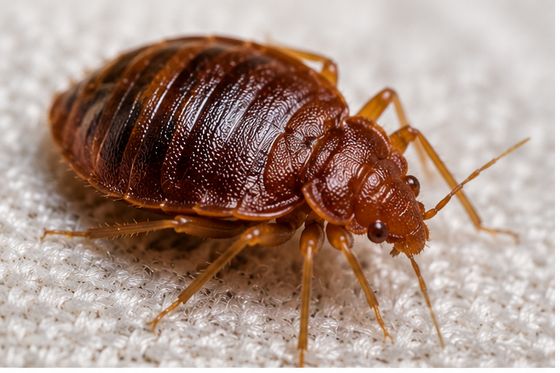
HMOs and Serviced Apartments
Getting into every unit at once is the hard half of block work. How it is actually scheduled.
Read more →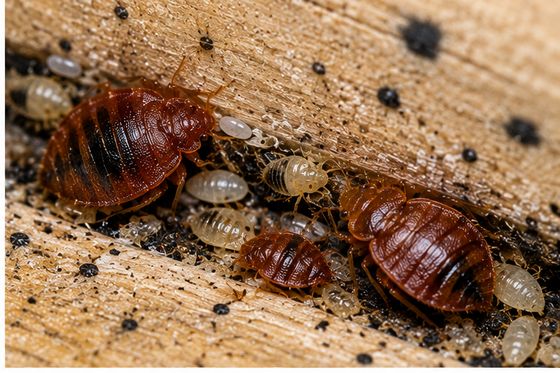
Student Accommodation and Halls
The academic calendar is a pest calendar. Build the inspection programme around it.
Read more →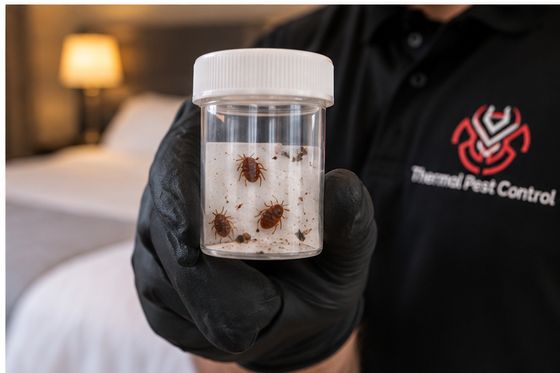
Bedbug Treatment for Care Homes
Treating around a resident who cannot easily move, and why heat is often the wrong answer.
Read more →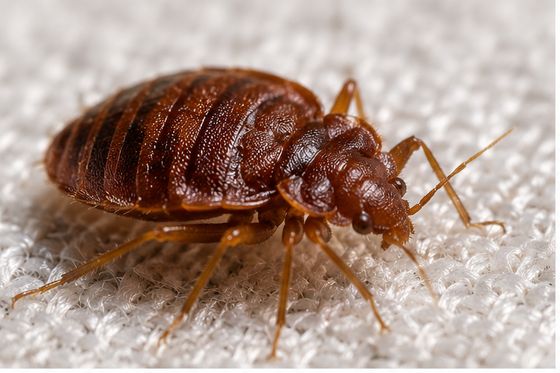
Can Bedbugs Spread Through an Office?
What an office 'infestation' turns out to be when somebody actually investigates it.
Read more →Bedbug Control Across Kensington and Chelsea
Each area page is written around one situation we deal with.
Tell Us About the Property
Tell us how many units are affected, how many bedrooms each has and when they next change over, and we will ring with a price.