

Who Arranges It in Social Housing
If you rent from the council or a housing association, the first step is usually to report the bedbugs to them in writing, with the date you first noticed, the rooms involved and a photo if you have one. Who arranges and pays for treatment depends on your tenancy and what caused the problem. We are pest controllers, not legal advisers, so check your tenancy or ask the provider directly.
Some tenants wait weeks for a reply and decide to book privately; leaseholders on an estate usually arrange it themselves. Either is fine with us. If you do book, keep the housing provider informed, because the flats next door and the ones above and below may need looking at too, and only the landlord can arrange that. If a neighbour has told you they have bedbugs, the North Kensington page covers what to do next.
The Course, Visit by Visit
Why the course takes more than one visit is explained on the London chemical treatment page for the full explanation. In short, the insecticide does not reliably kill eggs, so the later visits deal with what hatches. In practice it runs like this:
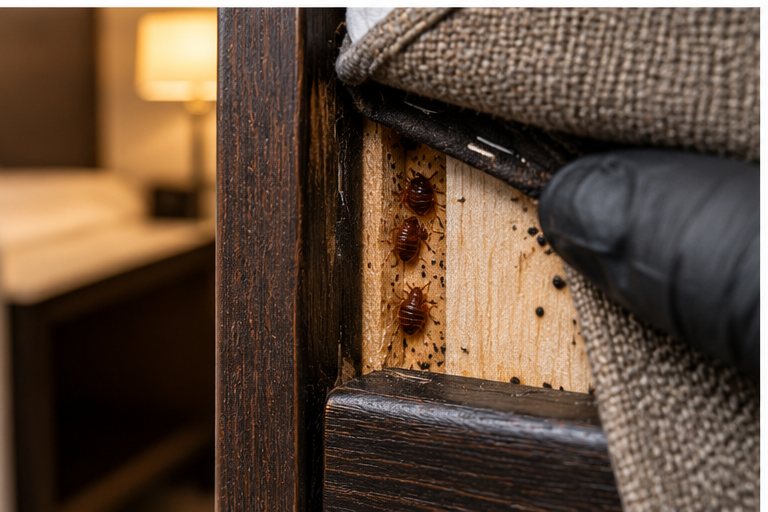
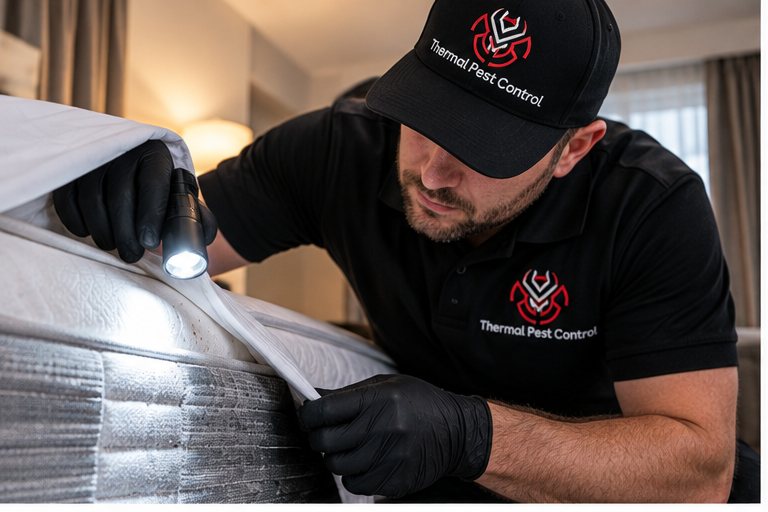
- First visit, one to two hours: the technician treats seams, bed frames, skirtings and the other places bedbugs hide in the affected rooms, and tells you when you can go back in.
- The following fortnight: you sleep in your own bed as normal once the room is dry, keep the floor clear, and note anything you see, with the date.
- Second visit, about 10-14 days after the first: the same rooms are treated again to catch the young that have hatched since.
- Third visit, where needed: if live bedbugs are still turning up at the second visit, we say so and book another.
Missing the second appointment is the most common reason a course fails. If a date will not work, ring and move it rather than letting it slip, because eggs keep hatching whether or not anyone comes.
Getting the Flat Ready Each Time
The same preparation comes before every visit. Estate flats are often short of storage, so plan where the bags will sit before you start filling them.
- Strip the beds and hot-wash the bedding and anything else washable from the room. If you use a launderette, carry it there tied up in bags and bring it back in clean ones.
- Clear the floor of shoes, toys, bags and boxes. Bag them and leave the bags in the same room rather than in the hall or on the balcony.
- Leave the beds, sofa and furniture where they are so the technician can reach behind and under them.
- Tell us before the visit about anyone in the flat who is pregnant or has asthma or another breathing condition, and about any pets, fish or birds.
Once a treated room is dry you can use it again. Follow what the technician tells you on the day about children, pets and when surfaces can be touched.
Keeping a Record for the Housing Provider
A simple note on your phone saves arguments later. Write down the dates of each visit, anything you see between them and any conversation with the landlord. We give you a written note of what was treated at each visit, which you can pass on.
If you are thinking about who else in the block should know, our guide to telling neighbours covers who to tell and how to put it.
Between Visits: What Helps and What Does Not
Carry on sleeping in your own bed. Moving to the sofa or another room draws the bedbugs after you and spreads them to furniture that was clear. Do not throw out the mattress or the bed frame unless we advise it; carrying either through the stairwell or down in the lift shares the problem with the building.
Leave shop sprays and foggers in the cupboard. They can drive bedbugs into the next room or through to the flat next door, and they make the next visit harder. Bites vary from person to person; for a skin reaction, see a pharmacist or your GP, and ring 999 if anyone shows signs of a severe allergic reaction.
Cost, and When Heat Would Suit Better
Treatments start from £220, and chemical costs less than heat. The final figure depends on the number of rooms, and we give it on the phone at 0800 955 1018 before anything is booked. If the household cannot manage a course of visits, or the bedbugs have spread across the flat, heat treatment in Kensington and Chelsea is usually one visit. The borough page has the wider picture.
← Bedbug Control Kensington and Chelsea · Bedbug Chemical Treatment London, in full
Bedbug Chemical Treatment Kensington and Chelsea — Questions
Should I tell my housing association before booking treatment?
Yes, report it to them in writing first. Who arranges and pays depends on your tenancy, and the landlord may need to check the flats around yours.
How many visits will the treatment take?
Usually two, sometimes three, about 10-14 days apart. Each visit takes one to two hours.
Can I stay in the flat between visits?
Yes. Once the treated rooms are dry you can use them, and you should keep sleeping in your own bed.
What if I cannot be in for the second visit?
Ring and move it rather than missing it. The second visit deals with the young that hatch after the first, so leaving a long gap gives them time to breed.
I do not have a washing machine. What do I do with the bedding?
Bag it in the room and take it to a launderette in sealed bags, then bring it back in clean bags. Do not carry it loose through the building.
Does chemical treatment cost less than heat?
Yes. Both start from £220, but chemical costs less. We give you the exact figure on the phone once we know how many rooms are affected.
Bedbug Treatments in Kensington and Chelsea
Every service has its own page for Kensington and Chelsea: heat, chemical, hotels, commercial premises and inspections.
Chemical Treatment Advice
The guides that go into bedbug chemical treatment in more depth.
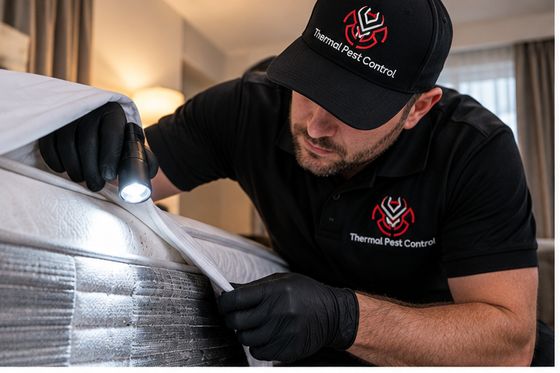
How Professional Chemical Treatment Works
What is actually in a professional treatment, and why it is not the tin from the hardware shop.
Read more →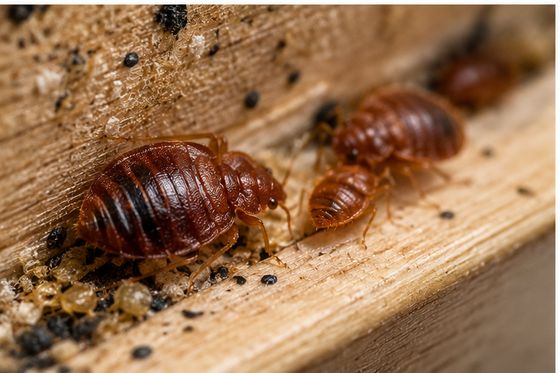
How Many Treatments Does It Take?
The bedbug life cycle sets the number, not the pest controller. Here is the timetable.
Read more →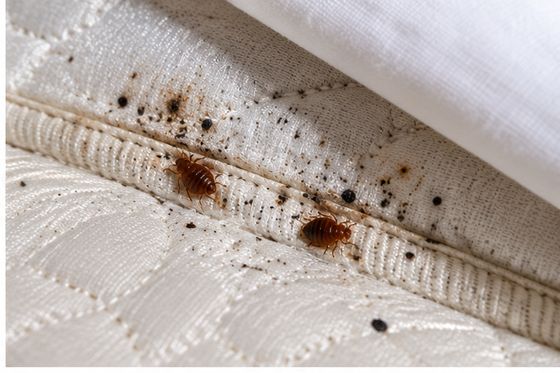
What Happens After the Treatment
Day one to week six, what you will actually see, and when to stop worrying.
Read more →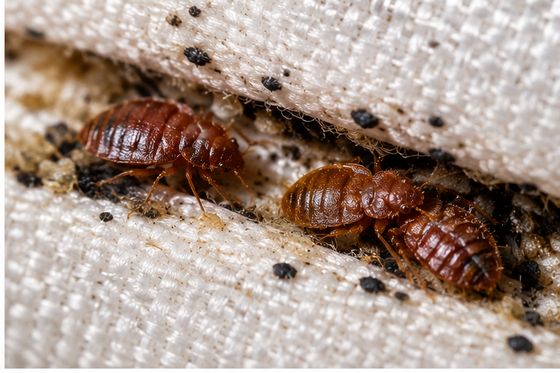
Why Bedbugs Reappear After Treatment
Hatching, survival or re-introduction. Three different problems that look identical.
Read more →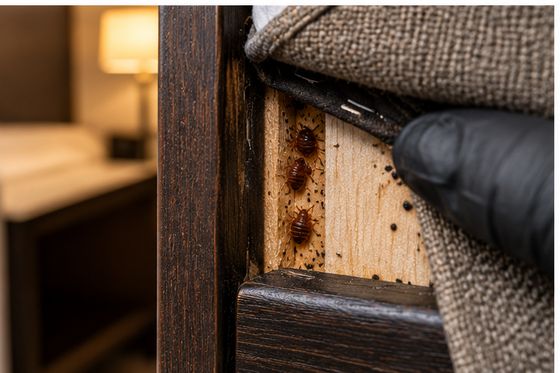
Where Pest Controllers Actually Treat
Why bedbugs choose the places they do, and the places we deliberately leave alone.
Read more →Bedbug Control Across Kensington and Chelsea
Each area page is written around one situation we deal with.
Tell Us About the Property
Tell us how many rooms are affected and whether your housing provider knows, and we will ring back with a price and dates.