
- Why Smooth Plastic Is a Poor Home
- Where They Do Hide
- The Guest Bed That Travels
- Camping Mattresses
- If Your Home Has Bedbugs and You Own an Air Bed
Inflatable mattresses turn up whenever there are more sleepers than beds: a friend staying after a night out, a cousin for the weekend, a student sofa-surfing near campus, a family camping trip. Because they get lent, borrowed and packed away so often, it is worth knowing what a bedbug can and cannot do with one.
Why Smooth Plastic Is a Poor Home
Bedbugs like to wedge themselves into narrow, dry gaps with a surface on either side: the seam of a fabric mattress, the joint of a wooden frame, the gap behind a headboard. The main body of an air bed is a single smooth sheet of vinyl with no stitching to push into. Their feet grip it badly, and there is nowhere on it to hide or glue eggs.
So a bare, fully inflated air bed rarely holds a settled population. That is the good news, and it is why the rest of this guide is about the places around it.
Where They Do Hide
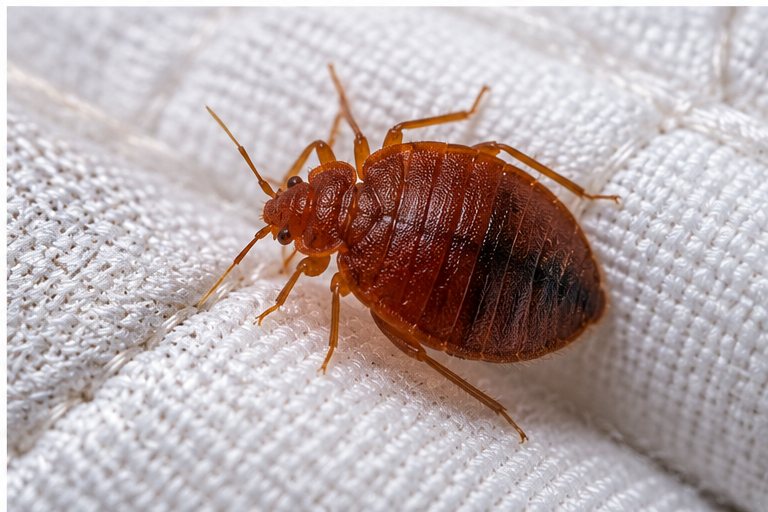
- The flocked, velvety top many air beds have, which gives far more grip than bare plastic.
- The welded edges and any raised ridges or baffles along the sides.
- The recess around the valve and the built-in pump, if there is one.
- The folds and creases when the bed is deflated and rolled up.
- The storage bag or box it lives in between uses.
- The sheets, sleeping bag, pillows and duvet on top of it.
- The carpet edge, skirting and nearby furniture next to where it was laid out.
That last point is often the real story. If the person on the air bed is being bitten, the insects are usually living in something close by and walking over at night, not living in the mattress itself. Check the floor edges and whatever is within arm’s reach.
The Guest Bed That Travels
The bigger risk is the air bed as luggage. Deflated and folded, it is a pile of creases wrapped round whatever was clinging to it last time, sealed in a bag and carried to another home. An air bed lent to a student for a shared house and then brought back at Christmas can carry hitchhikers in exactly that way.
- Before you roll it up, wipe the whole surface and run a vacuum nozzle along the welded edges and round the valve.
- Wash the bedding that was on it on a hot setting, separately from the household’s other laundry.
- Check the inside of the storage bag, then fold the bed back into it.
- Store it out of the bedrooms: a garage, shed or hallway cupboard is better than under a bed.
Camping Mattresses
Self-inflating camping pads have a fabric cover over foam, which gives them more places to grip than a plain vinyl bed. Tents, sleeping bags and pads all get stuffed into the same car boot and then stored together, often in a loft or under the stairs. After a trip, air them out, wash the sleeping bags if the label allows, and check the seams of the pad cover before it goes back into storage.
If Your Home Has Bedbugs and You Own an Air Bed
Do not blow it up and move someone onto it to escape a bitten bed. Moving to another room tends to take the problem with you, and an air bed on the lounge floor just puts a second sleeper in reach of the carpet edges there. Our guide on moving furniture between rooms explains why leaving things where they are helps.
When the room is treated, tell us about the air bed. It can be deflated, checked and bagged with other belongings, as described in how to bag and store belongings. With heat treatment, vinyl is on the list of things that can be damaged, so an air bed normally comes out of the room first; the heat preparation guide has the full list. With chemical treatment, it is checked and kept out of the way while the seams and frames of the real beds are treated.
If you have found something on an air bed and are not sure what it is, an inspection in Kingston starts from £120 and settles it before any treatment is paid for.
Related Questions
Can I get rid of bedbugs by sleeping on an air bed?
No. They follow the sleeper, and the air bed sits on a floor with edges and furniture they can use. Keep sleeping in your own bed and get the room treated.
Should I throw away an air bed that has been near bedbugs?
Usually there is no need. Check the flocked top, the edges and the valve, wipe and vacuum it, and store it bagged away from the bedrooms.
Can an air bed go through heat treatment?
Vinyl can be damaged by heat, so we normally ask for it to come out of the room before the day. Follow the removal list we give you.
More Bedbug Advice for Kingston
Written up in full for people in the borough, and worth reading before the treatment day.
Why Sprays Stop Working
Resistance explained without the jargon, why the can from the shop disappoints, and what is done differently.
Read more →
Moving Furniture Between Rooms
Why carrying the bed or sofa elsewhere widens the job, when moving is fine, and what to do in its place.
Read more →
Bagging and Storing Belongings
Which bags, how to label them, what goes where, how long to keep them sealed, and unpacking afterwards.
Read more →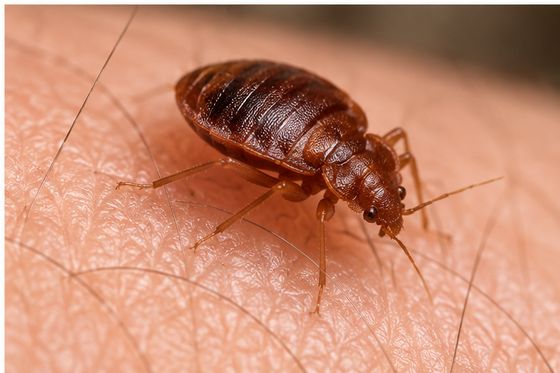
Do Bedbugs Prefer Some People?
Why one person seems to get all the bites, why reactions mislead, and what it means for checking the bed.
Read more →Bedbug Control Across Kingston
Each area page is written around one situation we deal with.
Bedbug Treatments in Kingston
Every service has its own page for Kingston: heat, chemical, hotels, commercial premises and inspections.
Tell Us About the Property
Tell us what you have seen and where, and we will tell you what it needs.