
- Reason One: Resistance, in Plain Terms
- Reason Two: The Spray Never Reaches Them
- How Professional Chemical Treatment Differs
- Why Heat Sidesteps the Problem
- What to Do Instead of Another Can
Almost everyone who finds bedbugs tries a spray first. It is a sensible thing to try: it is to hand, it is inexpensive and it does kill the insects it lands on. What people are not told on the can is that killing the ones you can see is a very small part of the problem.
Reason One: Resistance, in Plain Terms
Bedbugs have been exposed to the same few families of insecticide for a long time. In any population a few individuals happen to cope with a given chemical a little better than the rest, perhaps because of a thicker outer layer or a body that breaks the substance down faster. The spray kills the others; the tougher ones survive and breed.
Repeat that over many generations and the whole population drifts towards bugs that shrug off that product. The chemical has not changed. The insects have. That is all resistance means, and it is why a product that once worked well can now knock down far fewer than it used to.
Reason Two: The Spray Never Reaches Them
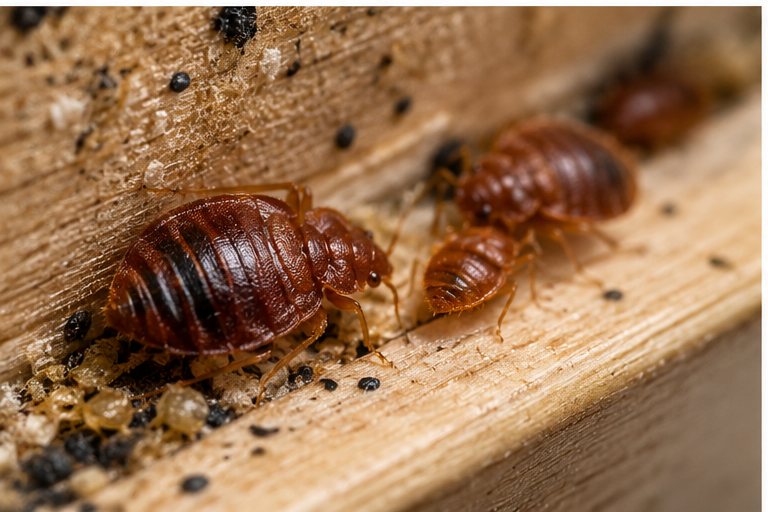
Even a product that still works only works where it lands. Most of a bedbug population is out of sight during the day, packed into the seams of the mattress, the joints of the bed frame, the gap behind a skirting board or the screw holes in a headboard. A spray aimed at the bed surface misses them.
- Eggs are glued deep in crevices, and most sprays do not kill eggs anyway.
- Many shop sprays work only on contact and leave little or nothing behind, so bugs that come out tomorrow walk over a surface that no longer affects them.
- Foggers and so-called bug bombs settle on open surfaces, not in the cracks where bedbugs actually sit.
- A strong-smelling spray can drive bugs out of the bed and into the next room, turning a one-room job into a bigger one.
That last effect is the one that costs people most. A month of spraying can leave the original bed still infested and a second bedroom newly affected.
How Professional Chemical Treatment Differs
The difference is not a stronger version of the same can. A trained technician chooses products with resistance in mind and puts a residual insecticide exactly where the bugs live: seams, frames, joints and skirtings. The residue keeps working after the visit, so bugs coming out of hiding meet it on their way to the sleeper. The London guide to where pest controllers treat shows the places.
Because eggs are not reliably killed, a second visit, sometimes a third, follows about 10 to 14 days later to deal with what hatches. That follow-up is planned from the start, not a sign that the first visit failed. The page on chemical treatment in the borough sets out the course.
Why Heat Sidesteps the Problem
Heat does not rely on an insecticide at all. The room is raised to a temperature bedbugs cannot survive and held there, with a thermal camera used to find the cold spots, so it makes no difference how resistant a population has become. It kills the eggs as well, and it is usually one visit. It costs more than chemical, and some belongings have to come out of the room first. If spraying has already scattered bugs into several rooms, heat treatment is often the route we suggest.
What to Do Instead of Another Can
- Stop spraying. Every round risks pushing them further into the house.
- Keep sleeping in your own bed so the bugs stay where they are.
- Tell us what you used and where, when you ring. It helps us plan.
- If you are not certain it is bedbugs, book an inspection from £120 first.
- Hot-wash the bedding and clear the floor, and leave the furniture in place.
If bugs came back after a previous professional treatment, that is a different question, covered in why bedbugs reappear after treatment. For the borough as a whole, see the Kingston page.
Related Questions
Are the sprays sold in shops useless?
Not useless, but limited. They kill what they hit, often not the eggs, and usually miss the hidden bugs that make up most of the problem.
Can I buy the product a pest controller uses?
Some professional products are not sold to the public, and choosing and placing them is most of the job. Our advice is to stop spraying and let us treat the room.
Does resistance mean chemical treatment will not work in my home?
No. Products are chosen with it in mind and a follow-up visit is part of the course. Where resistance is a real concern, heat is an option.
I have sprayed for weeks. Have I made it worse?
Possibly spread it a little, but it is still treatable. Tell us which rooms you sprayed so we know where to look.
More Bedbug Advice for Kingston
Written up in full for people in the borough, and worth reading before the treatment day.
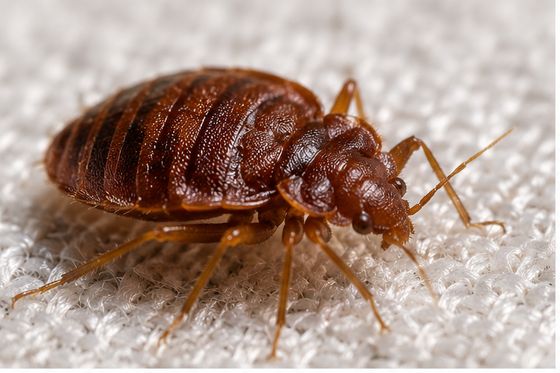
Bedbugs in an Air Bed
Why smooth plastic suits them badly, the few places they do use, and what to do with guest and camping beds.
Read more →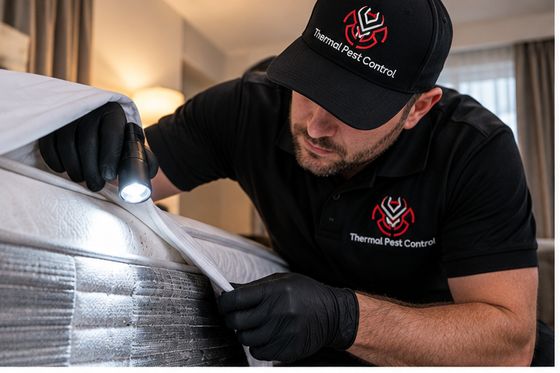
Moving Furniture Between Rooms
Why carrying the bed or sofa elsewhere widens the job, when moving is fine, and what to do in its place.
Read more →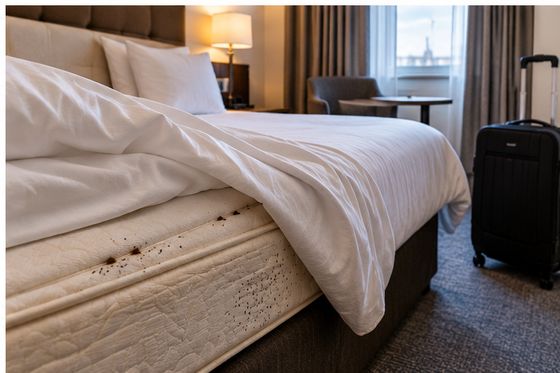
Bagging and Storing Belongings
Which bags, how to label them, what goes where, how long to keep them sealed, and unpacking afterwards.
Read more →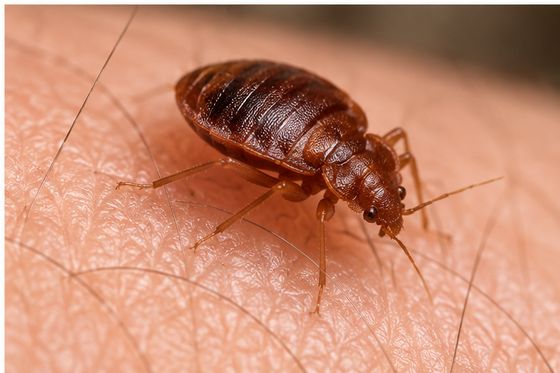
Do Bedbugs Prefer Some People?
Why one person seems to get all the bites, why reactions mislead, and what it means for checking the bed.
Read more →Bedbug Control Across Kingston
Each area page is written around one situation we deal with.
Bedbug Treatments in Kingston
Every service has its own page for Kingston: heat, chemical, hotels, commercial premises and inspections.
Tell Us About the Property
Tell us what you have seen and where, and we will tell you what it needs.