
- Which Bags to Use
- Labelling
- What Goes Where
- Heat or Chemical Changes the List
- How Long to Keep Things Sealed
- Unpacking Afterwards
Whether you are having heat or chemical treatment, some of what is in the room will need to be bagged: clothes, bedding, soft toys, books, the contents of drawers. The point is to stop bedbugs travelling with those things while the room is being dealt with, and to make sure nothing untreated goes back in.
Which Bags to Use
- Strong, clear plastic sacks for clothes and bedding, so you can see what is inside without opening them.
- Resealable zip bags for small things: chargers, jewellery, make-up, toys.
- Plastic crates with tight lids for books, papers and shoes.
- Tape or cable ties to close the sacks, twisted and folded over first.
- Thin bin liners only as an inner layer; they split, and a split bag is an open one.
Avoid cardboard boxes if you can. The corrugations and folded flaps are just the kind of tight space bedbugs use, and cardboard cannot be washed.
Labelling
Write on every bag, in marker, two things: which room it came from and whether its contents have been washed and dried hot. “Main bedroom, clean” and “Main bedroom, not yet washed” are very different bags, and they look identical at the bottom of a pile a week later. If several people are involved, such as a family house or a shared student house, add the person’s name.
What Goes Where
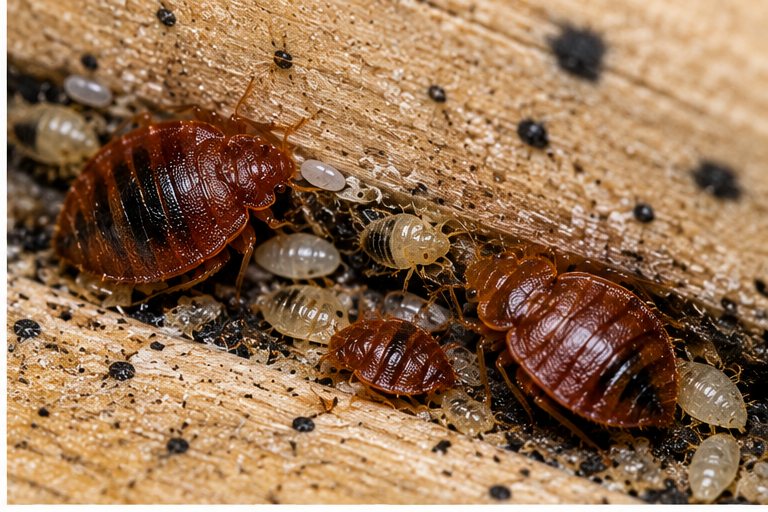
- Washable fabrics: bag them in the room, carry the sealed bag to the machine, hot-wash and hot-dry, then put them in a new bag marked clean.
- Things that cannot be washed but can go in a hot dryer: dry them, then bag them as clean.
- Things that can take neither: bag them sealed, marked not yet treated, and tell us about them.
- Heat-sensitive items for heat treatment, such as aerosols, candles, medication and some electronics: check them over, bag or box them, and keep them out of the rooms being treated.
- Clean bags go somewhere away from the bedrooms, like a hallway, kitchen or car boot, never back on the bed.
Keep the clean bags and the untreated ones apart. The easiest mistake is to wash everything carefully and then stack it against a bag that was never opened.
Heat or Chemical Changes the List
With heat treatment, much of what is in the room can stay there and be treated with it, because the whole room comes up to a temperature bedbugs cannot survive. What must come out is the heat-sensitive list we send you, and the London guide to preparing for heat has the detail.
With chemical treatment, the floor has to be clear and the bedding stripped, so more gets bagged and it stays bagged for longer, because the course runs to two or three visits. The page on chemical treatment in the borough sets out what each visit involves.
How Long to Keep Things Sealed
Washed and dried belongings are clean, but put them back into an untreated room and they can pick the bugs straight back up. So keep even the clean bags sealed until the room is finished: after the heat visit once the room has cooled, or after the final chemical visit. Bags of untreated items stay sealed until they have been washed, dried or checked; do not open them in a bedroom to have a look. If a student is packing for halls in the middle of all this, pack only from the clean bags.
Unpacking Afterwards
Open one bag at a time, on a hard floor, in good light. Put things away as they come out, and throw the empty bag away rather than keeping it. If you spot anything that looks like a bug or dark spotting, stop, close the bag again and ring us. Do not move furniture back and forth to make room; our guide on moving furniture between rooms explains why.
Related Questions
Can I use black bin bags?
They will do in a pinch, but they tear and you cannot see inside them. Clear, heavy-duty sacks are much better, sealed and labelled.
Do I have to bag everything in the room?
No. For heat, mostly the heat-sensitive items; for chemical, bedding, clothes and whatever is on the floor. We tell you what applies before the day.
Can bagged items go in the loft or shed?
Clean, sealed bags can. Keep bags that have not been washed or checked separate, and deal with them first.
How long before we can unpack?
Once the room is finished: after the heat visit and cooling, or after the last chemical visit. Follow what you are told on the day.
More Bedbug Advice for Kingston
Written up in full for people in the borough, and worth reading before the treatment day.
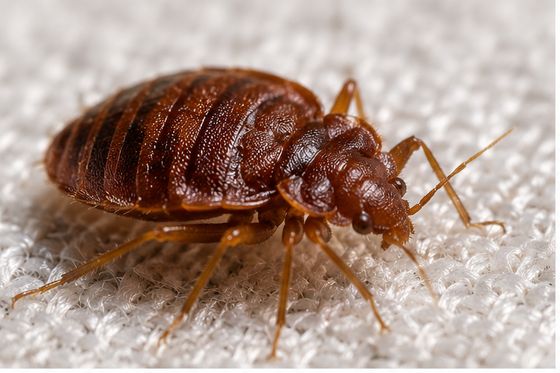
Bedbugs in an Air Bed
Why smooth plastic suits them badly, the few places they do use, and what to do with guest and camping beds.
Read more →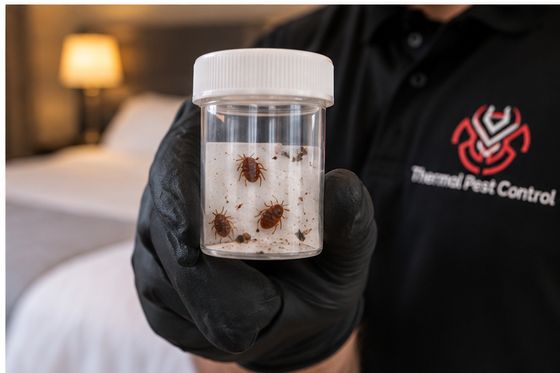
Why Sprays Stop Working
Resistance explained without the jargon, why the can from the shop disappoints, and what is done differently.
Read more →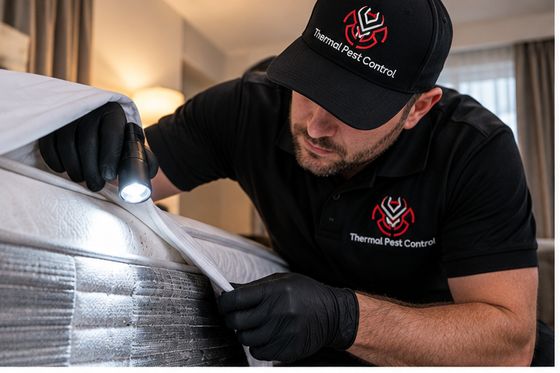
Moving Furniture Between Rooms
Why carrying the bed or sofa elsewhere widens the job, when moving is fine, and what to do in its place.
Read more →
Do Bedbugs Prefer Some People?
Why one person seems to get all the bites, why reactions mislead, and what it means for checking the bed.
Read more →Bedbug Control Across Kingston
Each area page is written around one situation we deal with.
Bedbug Treatments in Kingston
Every service has its own page for Kingston: heat, chemical, hotels, commercial premises and inspections.
Tell Us About the Property
Tell us what you have seen and where, and we will tell you what it needs.