
- Why There Are Quiet Nights
- What the Gaps Can Tell You
- Why a Few Calm Nights Do Not Mean They Have Gone
- Quiet Nights After Treatment
- What to Do Now
A bedbug does not feed every night. It comes out, takes a blood meal, then goes back into a seam, joint or crack to digest it, and stays there for several days before it needs to feed again. With only a few bugs in a room, there can easily be nights when none of them is hungry.
Why There Are Quiet Nights
Several ordinary things can produce a night or a week without new marks:
- Small numbers. Early on, a room may hold only a handful of bugs, all digesting at the same time.
- A cooler room. Bedbugs slow down when it is colder, so bites can ease off in winter or with the heating low.
- A change in who sleeps there. If someone is away, the bugs wait; they can go a long time between meals.
- Delayed reactions. Marks can appear a day or more after the bite, so the night you notice them is not always the night it happened.
- Someone who does not react. The bugs may be feeding on a partner or a child who shows nothing at all.
That last one catches families out. One person gets all the itching and assumes they are the only one being bitten, when the bugs are feeding across the whole bed.
What the Gaps Can Tell You
Bites in a line or cluster, turning up in bursts with quieter spells between, fit the pattern. Bites every single night that also appear on people who never share a bed or sofa point to something else, and bedbugs or something else goes through the look-alikes. Bites alone are never enough to be sure. What confirms bedbugs is finding them or their traces: dark spotting on seams, pale shed skins, tiny eggs or a live bug.
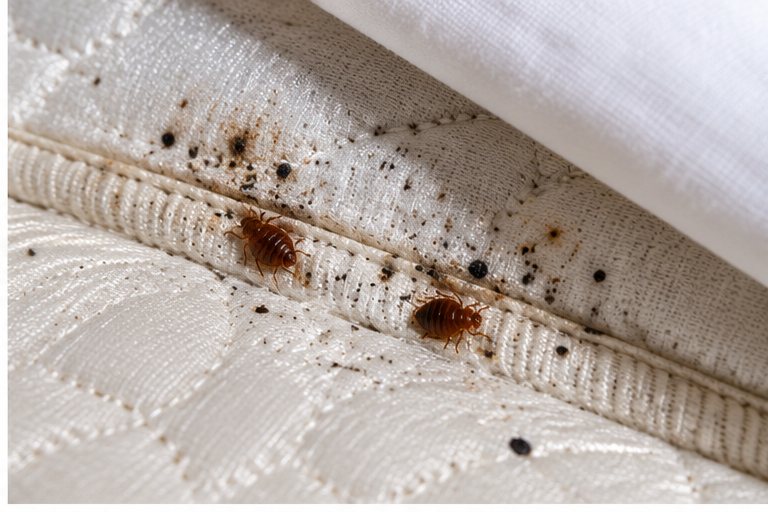
The quiet nights are actually a good time to look. Strip the bed in daylight and work along the mattress seams, the piping, the corners of the frame and the joints of the headboard. The London guide to early signs of bedbugs shows what each trace looks like.
Why a Few Calm Nights Do Not Mean They Have Gone
Bedbugs do not leave on their own. While some are digesting, females are laying eggs, and those eggs hatch into young bugs that need to feed before they can grow. A calm week is often the lull before the next generation starts biting.
It is tempting to wait a little longer each time the bites stop. The trouble is that every week of waiting gives the bugs more time to spread along the bed, into the next room and into bags and clothes that travel. What happens if you ignore bedbugs sets out how that plays out.
Quiet Nights After Treatment
The same pattern applies after a treatment, which is why we ask people not to judge it on the first few nights. After a chemical visit, bugs that come out and cross the treated surfaces die over the following days, and eggs that were not killed hatch and need the next visit, usually 10 to 14 days later. After heat, which kills eggs as well, you would not expect a new generation.
An odd bite in the first week or two can still happen. Keep sleeping in your own bed, so the bugs come to the treated areas rather than moving elsewhere. If you still see live bugs or fresh bites after the course is finished, ring us; why bedbugs reappear after treatment explains the usual causes.
What to Do Now
- Write down the nights you see new bites, and who has them.
- Check the bed and the area around it in daylight, and photograph anything you find.
- Keep everyone sleeping where they normally sleep.
- Ring 0800 955 1018 to talk it through, or book an inspection if you are not sure it is bedbugs.
Related Questions
How long can bedbugs go without feeding?
A long time, far longer than a family holiday. An empty bed does not starve them out, which is why leaving the room for a while does not solve anything.
Why am I bitten and my partner is not?
Your partner is very probably being bitten too. Some people do not react at all, so the marks show only on the person whose skin responds.
Is it bedbugs if the bites only come at weekends?
Possibly. A pattern tied to where you sleep, such as a sofa or a spare bed you only use some nights, often points to where the bugs are. Check that spot first.
Do the bites need treating?
Most fade on their own, but reactions vary. A pharmacist or GP can advise on itching or a skin reaction, and call 999 for signs of a severe allergic reaction.
More Bedbug Advice for Redbridge
Written up in full for people in the borough, and worth reading before the treatment day.
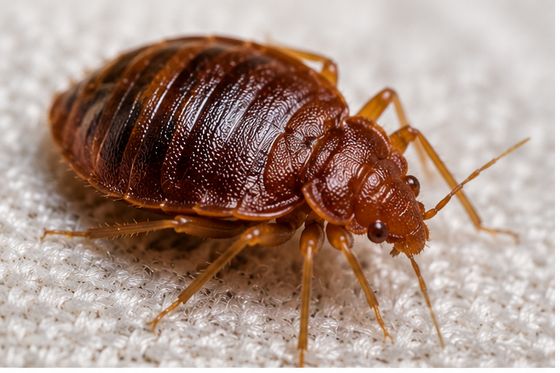
Can Bites Be Passed On?
The bites cannot be caught from someone, but the bedbugs themselves can hitch a ride.
Read more →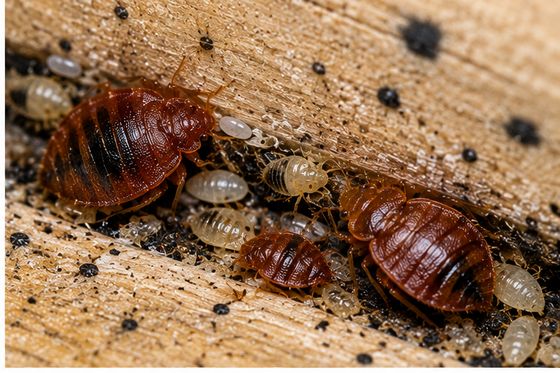
Waiting It Out
Bedbugs do not die out on their own, and every week of waiting adds rooms to the job.
Read more →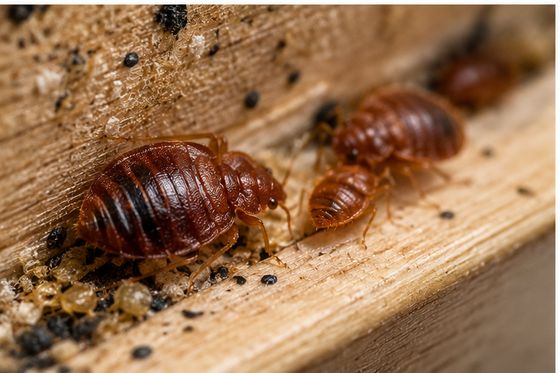
Rented and Hired Furniture
What to check on a hired bed, sofa or event chair, and who to tell if it brings bedbugs.
Read more →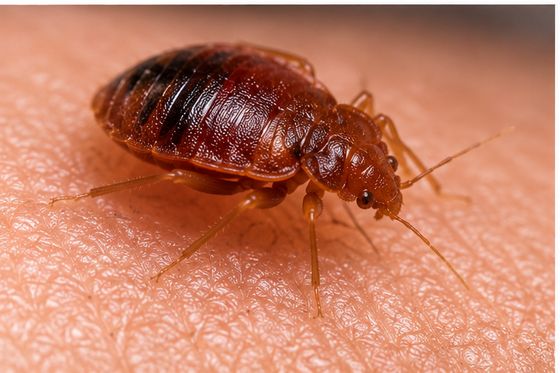
Cardboard Boxes
Cardboard gives bedbugs cover, so here is what to do with moving and storage boxes.
Read more →Bedbug Control Across Redbridge
Each area page is written around one situation we deal with.
Bedbug Treatments in Redbridge
Every service has its own page for Redbridge: heat, chemical, hotels, commercial premises and inspections.
Tell Us About the Property
Tell us what you have seen and where, and we will tell you what it needs.