

When Heat Is Not the Practical Answer
There are a few reasons a City flat ends up with chemical rather than heat. The building may not allow the detectors or sprinklers in the flat to be dealt with for a heat day. Getting cased equipment up to the flat may not be workable. The bedbugs may have been found early, in one bed, where a full heat day would be more than the job needs. Or cost decides it, since chemical is the lower of the two.
If none of those applies and the signs have reached more than one room, heat treatment in the City of London is usually the better call. How the insecticide works, and why the eggs mean a second visit, is on the London chemical treatment page for the full explanation.
Booking the Whole Course With the Building
The visits are about 10 to 14 days apart, and that gap is not flexible for the sake of a diary. So book access for all of them at once, before the first visit happens.
- When you ring us, agree the first date and a provisional date for the second, and ask us whether a third is likely from what you have described.
- Send the building manager or front desk all the dates together, in writing, with the flat number and our company name.
- Ask whether a contractor pass lasts for the course or has to be renewed for each visit.
- If a key is being left at the desk, check it will be there on each date and not only the first.
- If a date has to move, tell us and the building straight away, so the gap between visits stays close to what it should be.
What a Visit Asks of You
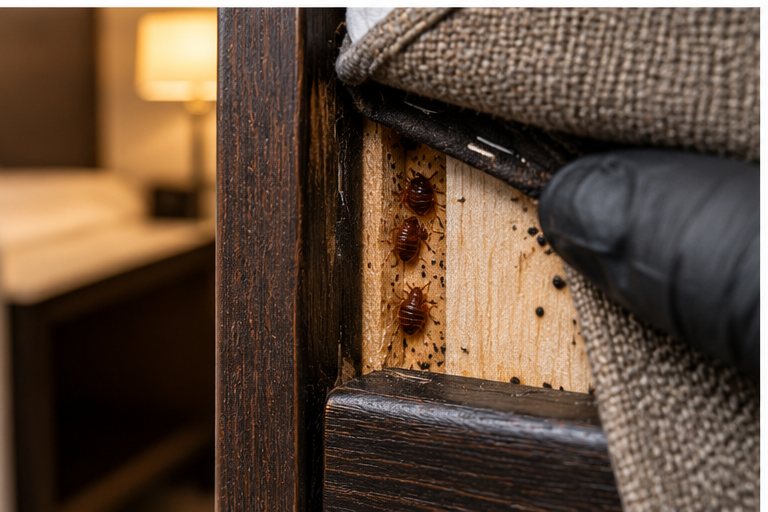
Each visit is one to two hours, far less than a heat day. Before each one, strip the bed, hot-wash and bag the bedding, and clear the floor so we can get to the skirtings and under the furniture. Leave the furniture where it is. You stay out of the treated room while we work and until the surfaces are dry, then the room is yours again.
Because the visits are short, chemical often suits someone who cannot be away from home for a whole day; the Golden Lane page covers that situation in more depth. Follow the instructions we give you on the day about when the room can be used and what can be touched.
Common Parts Between the Visits
In a block, most of what spreads bedbugs happens outside the flat rather than inside it. A mattress carried down a corridor and into the lift, a bag of bedding left by the bin store, a sofa moved to another flat: each of these takes live bedbugs past other people’s front doors.
- Do not throw out the mattress or bed unless we have advised it. Keep sleeping in your own bed, which is where the residue is waiting.
- Carry bedding to the washing machine sealed in a bag, and do not open it until it goes in.
- Do not use a shop spray over the treated areas; it drives bedbugs away from the residue.
- Tell us before the next visit if you see anything new, and where.
The London guide on what happens after treatment goes through the weeks that follow. If you are one flat among many on an estate, the Barbican page deals with the estate office and your neighbours.
If It Is a Weekday Flat
A flat that is used Monday to Friday and left empty at weekends needs its visits placed with care, because nobody is sleeping in it for two nights of every seven. The Moorgate page explains why that matters. For chemical, the short version is to book the visits on days you are staying, and to tell us the pattern when you ring.
What a Course Costs
Chemical is the lower-cost route, and treatments start from £220. The price covers the course, and depends on how many rooms are involved. Ring 0800 955 1018 and you will have the figure on the phone before anything is booked. If you are not yet sure what you are dealing with, inspections start from £120, and the City of London bedbug control page has the wider picture.
← Bedbug Control City of London · Bedbug Chemical Treatment London, in full
Bedbug Chemical Treatment City of London — Questions
Why can I not have all the chemical visits in one week?
The follow-up is timed for when the eggs left after the first visit have hatched. Too soon and they have not come out yet; too late and they have started to breed.
Can I stay in the flat during a chemical visit?
You can be in another room, but not in the room being treated. You go back in once the surfaces are dry, and we tell you when on the day.
Do I have to tell the building about each visit?
In most managed blocks, yes, because each visit needs access. Sending all the dates at once saves you doing it three times.
Should I get rid of the mattress before the first visit?
No, not unless we advise it. Carrying it through the corridors and the lift spreads bedbugs, and the mattress can usually be treated where it is.
What happens if a follow-up date is missed?
Rebook it as close to the original date as you can and tell us. A long delay can mean an extra visit, and we will say so if it does.
Does chemical cost less than heat?
Yes. Treatments start from £220, chemical is the lower of the two, and the exact price depends on the number of rooms.
Bedbug Treatments in City of London
Every service has its own page for City of London: heat, chemical, hotels, commercial premises and inspections.
Chemical Treatment Advice
The guides that go into bedbug chemical treatment in more depth.
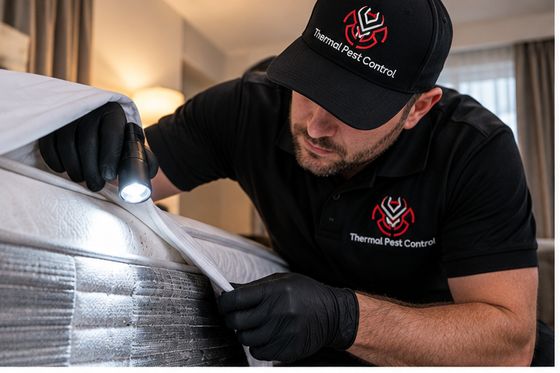
How Professional Chemical Treatment Works
What is actually in a professional treatment, and why it is not the tin from the hardware shop.
Read more →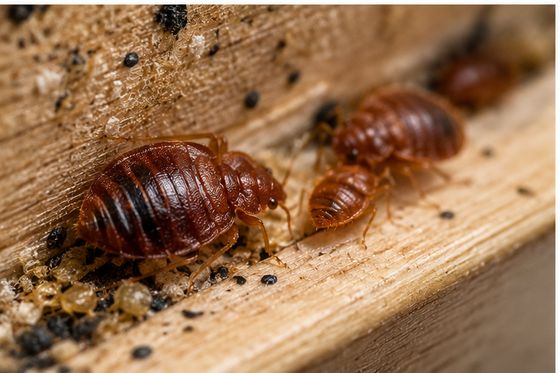
How Many Treatments Does It Take?
The bedbug life cycle sets the number, not the pest controller. Here is the timetable.
Read more →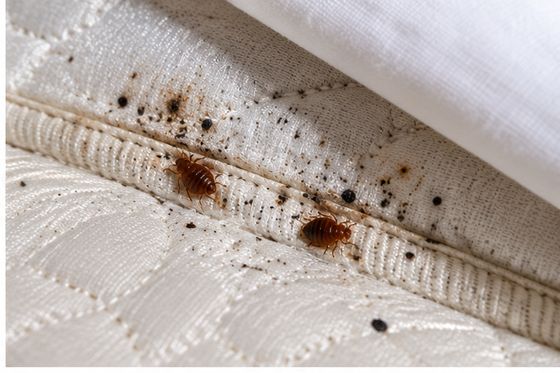
What Happens After the Treatment
Day one to week six, what you will actually see, and when to stop worrying.
Read more →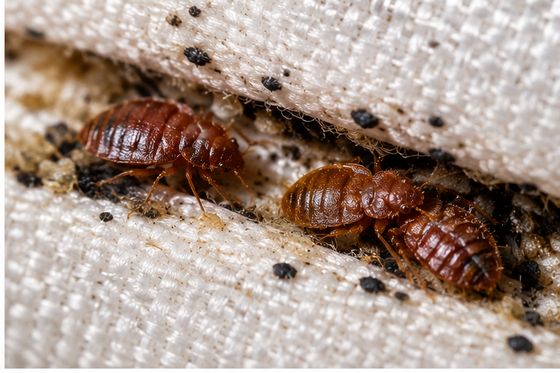
Why Bedbugs Reappear After Treatment
Hatching, survival or re-introduction. Three different problems that look identical.
Read more →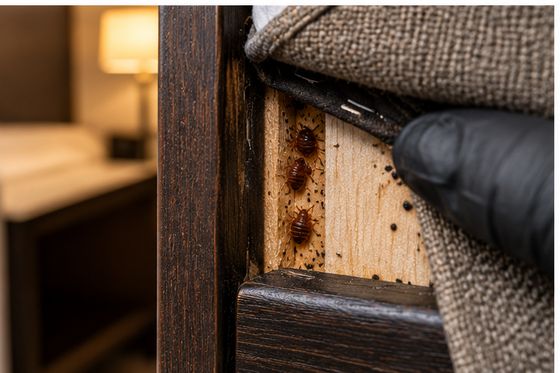
Where Pest Controllers Actually Treat
Why bedbugs choose the places they do, and the places we deliberately leave alone.
Read more →Bedbug Control Across City of London
Each area page is written around one situation we deal with.
Tell Us About the Property
Tell us which rooms are affected and how the building handles contractor access, and we will ring with a price.