

Why the Inspection Comes Before the Announcement
An all-staff message about bedbugs cannot be taken back. Once it has gone, people start checking their bags on the train, asking to work from home and wondering who brought them in. If the report turns out to be something else, the business has caused a week of worry for nothing. If it turns out to be real, the message is far better for saying what was found, where, and what is being done.
So in the gap between the report and the result, keep it to the person who reported it, their manager and whoever is arranging the inspection. For what to do in the hours after the find itself, see the Bank page. What an inspection looks at, and what commonly gets mistaken for bedbugs, is on the London bedbug inspections page for the full explanation.
What to Keep for Us Until We Arrive
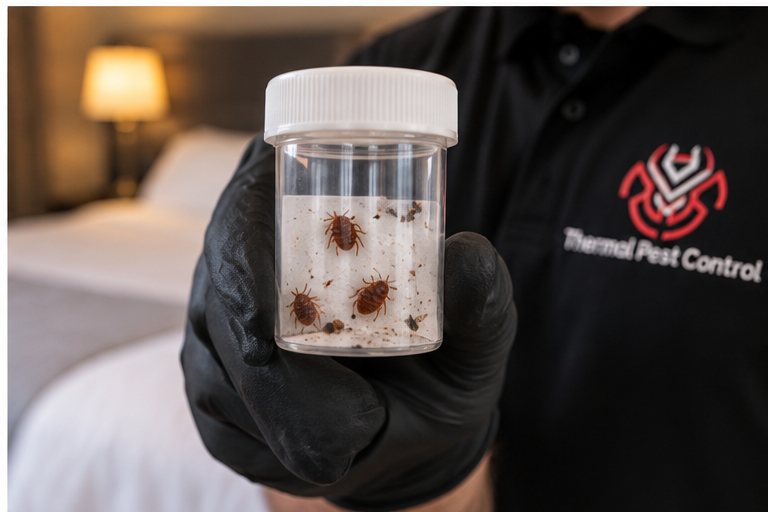
The most useful thing the business can hold on to is the thing that was found. A specimen settles the question faster than any description.
- The insect itself, pressed onto clear tape or sealed in a small bag or pot. Squashed is still useful.
- A photograph of it where it was found, if one was taken.
- Where exactly it was: which desk, which chair, which meeting room, and on what.
- When it was seen, and by whom, written down on the day.
- Whether anyone has since cleaned, moved or thrown out anything from that spot.
Leave the area as it is until we have looked. Cleaning the chair or moving the furniture to another floor removes the evidence and can move the problem.
Looking Wider Than the One Desk
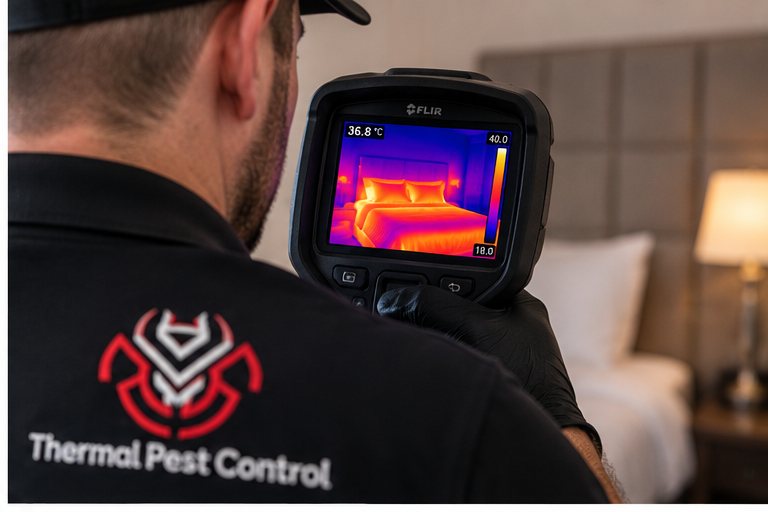
A single sighting tells you where one insect was, not where others might be. We check the place it was found and then the seating and soft furnishings around it, the meeting rooms and breakout areas nearby, and anywhere coats and bags collect. If the business also has rooms where people sleep, such as serviced apartments, those are looked at too.
The inspection can be done in the evening or at a weekend, when the floor is empty. That suits most businesses at this stage, because nothing has been announced yet and nobody has to be moved from their desk while we work.
Three Possible Answers, and What to Say After Each
It is bedbugs
Tell the staff who use the affected area first, then everyone else, with what was found and the date of the treatment. Treatment on an office floor is covered on the commercial treatment page for the City of London. For staff worried about home, point them to our guide on bringing bedbugs home from the office.
It is something else
We tell you what it was, if we can identify it, and whether it needs anything done. Tell the person who reported it, thank them for raising it, and there may be nothing to announce at all.
Nothing was found
Be honest about what that means. An inspection that finds nothing is a record of what was there on that day, not proof that nothing will ever turn up. Tell the person who reported it, keep the written findings, and ask staff to report anything else they see to one named person.
The Written Findings
You get an answer on the day and the findings in writing afterwards: what was looked at, what was found and where, and what we recommend next. That is the document to show a landlord, a managing agent or the person in the business who has to decide what gets said to staff. It also means any message that does go out rests on something written, not on a rumour.
What an Inspection Costs
Inspections start from £120, depending on the size of the area to be checked. If treatment is needed, treatments start from £220, and you are told the figure on the phone before anything is booked. Ring 0800 955 1018. The City of London bedbug control page has the wider picture for homes, hotels and offices in the Square Mile.
← Bedbug Control City of London · Bedbug Inspections London, in full
Bedbug Inspections City of London — Questions
Should we tell staff before the inspection?
Tell the person who reported it and the people arranging the inspection. A wider message is better once you know what was found, because it can then say what is being done.
Can the inspection be done when the office is closed?
Yes. Evenings and weekends suit most offices, because the floor is empty and nobody has to leave their desk.
What should we do with the insect that was found?
Keep it on clear tape or sealed in a small bag or pot, and note where and when it was found. It is the quickest way to a definite answer.
If you find nothing, does that mean we are clear?
It means nothing was found on the day of the inspection. It is good news, but ask staff to report anything further to one named person.
Do we get something in writing?
Yes. You get the findings in writing, covering what was checked, what was found and what we recommend.
How much does a workplace inspection cost?
Inspections start from £120, depending on the area to be checked. Treatments, if needed, start from £220.
Bedbug Treatments in City of London
Every service has its own page for City of London: heat, chemical, hotels, commercial premises and inspections.
Inspection Advice
The guides that go into bedbug inspection in more depth.

Bedbugs, or Something Else?
A walkthrough you can do tonight with a torch, and what to do with what you find.
Read more →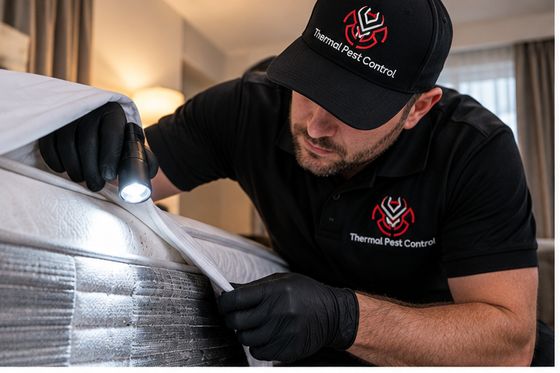
What Happens During an Inspection
From your side of it: how long, whether you stay, what we will ask and what we will move.
Read more →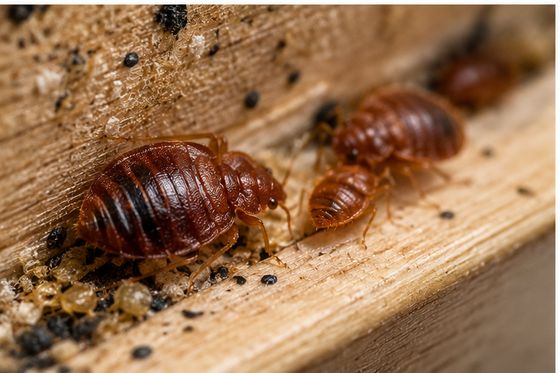
The Places That Get Missed
Beyond the bed and the two-metre radius: the harbourages that survive a mediocre inspection.
Read more →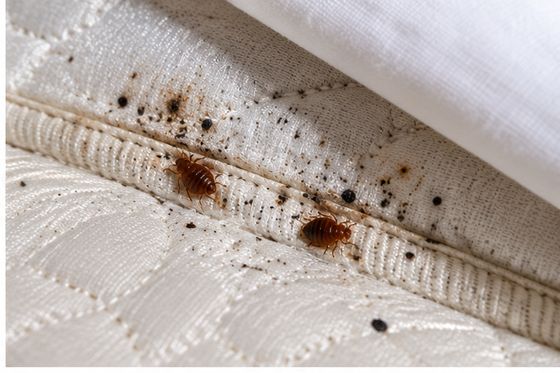
The Early Signs, and the Timeline
Week one to month six. What is detectable when, and why 'early' is mostly invisible.
Read more →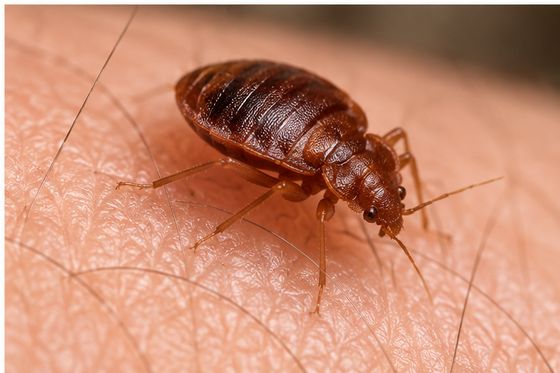
Inspection First, or Straight to Treatment?
When the £120 saves you money, and when it is £120 you did not need to spend.
Read more →Bedbug Control Across City of London
Each area page is written around one situation we deal with.
Tell Us About the Property
Tell us what was found, where, and when the office is empty, and we will ring to arrange an inspection.