

Drawing the Line Around the Treatment
A house is not a flat. There are stairs, a landing everyone crosses, a spare room, maybe a loft conversion or a box room used as a study, and a sofa downstairs that somebody retreated to when the biting started. Heat treats the rooms it is set up in and nothing else, so the boundary we draw on the phone matters more than anything that happens on the day.
We ask three things to set that boundary:
- Where has anyone slept since the first bite, including one night on the sofa or in the spare bed?
- Where have the bitten person’s clothes, bags and laundry been kept or put down?
- Which rooms share a wall, a floor or a door with the room where the signs are strongest?
If the answers stay inside two bedrooms, we quote for two bedrooms. If they spill onto the landing, into a teenager’s room and down to the living room, the quote covers those rooms too. Heating the obvious room and leaving the sofa is how a house ends up paying twice.
What the machines do and why the eggs die too is on the London heat treatment page for the full explanation. This page is about the size and shape of a house.
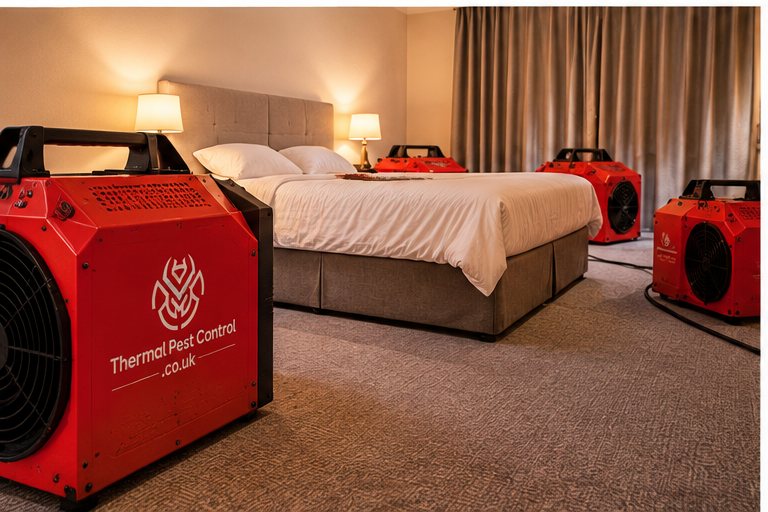
The Upstairs Only, or the Whole House
When the first floor is enough
Most houses we are asked about have the problem upstairs, in the bedrooms, and nowhere else. Nobody moved downstairs, the living room furniture is leather or wood, and nothing from the bedrooms has been stored below. In that case the first floor, landing included, is the sensible unit, and the ground floor carries on as normal apart from the day itself.
When it has to be everything
A whole-house treatment makes sense when people have been sleeping in different places, when a fabric sofa or armchair has been used as a bed, or when the signs are in a downstairs bedroom as well as upstairs. It costs more, but it closes the doors bedbugs would otherwise use to come back into the treated rooms.
Rooms nobody uses
Larger houses often have a guest room or a study that has barely been opened in months. These still need a look, because an empty bed can hold a quiet population. The Purley page deals with houses where several rooms sit unused, and whether they belong in the treatment.
One Day, Planned From the Top Down
A bigger house takes more equipment and more of the day than a single bedroom, but the aim is still one visit. Ask when you ring whether your layout can be covered in one day, and we will tell you plainly before you book.
- Work from the top floor down when clearing the heat-sensitive items: aerosols, candles, medication, vinyl, plants and the electronics we name. Put them in the kitchen or a room outside the treatment, not on the landing.
- Leave furniture, mattresses, clothes and books where they are. Emptying wardrobes onto the stairs spreads bedbugs to the one route every room shares.
- Bag and hot-wash the bedding from every bed in the treated rooms, including the spare bed.
- Walk the technician round on arrival and point out every place anyone has slept.
- Take the household and the pets out for the day. Cats that roam the whole house need to be out of it.
- Come back when we tell you the rooms have cooled. The beds can be slept in that night.
Storage beds, ottomans and chests of drawers are where houses hide the most. Before the day, read bedbugs in ottoman and storage beds so you know what to empty and what to leave in place.
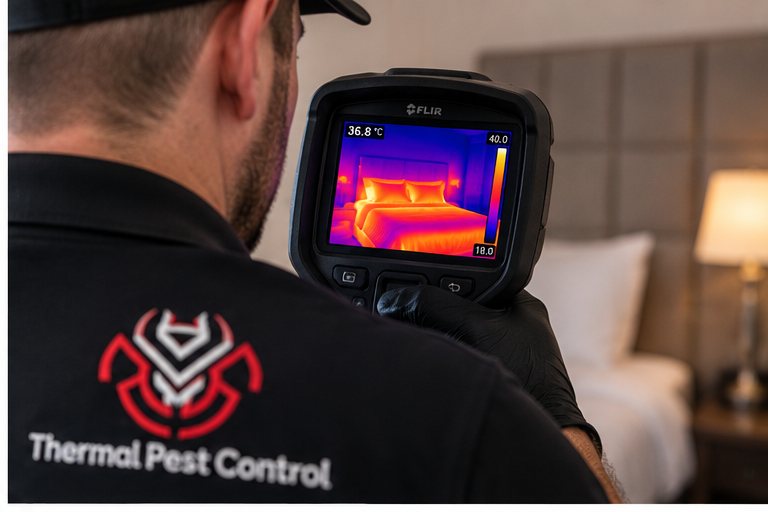
Attached Houses and the Edges
A detached house has no neighbour on the other side of the bedroom wall. A semi or a terrace does. Heat leaves nothing behind once the rooms cool, so where a bedroom shares a party wall or a loft space with next door, we may put a light residual at the edges. If we do, we tell you where it is and when those surfaces can be touched, and you follow those instructions.
When Heat Is More Than a House Needs
If the signs are on one mattress in one room and nobody has moved, the course of visits on the chemical treatment page may be the more proportionate answer, and it costs less. We say so on the phone rather than quote for heat by default. If you are not sure what the marks are, or how far they reach, inspections start from £120 and settle the boundary before any money goes on treatment.
The Price for a House
Treatments start from £220. Heat costs more than chemical, and the figure rises with the number of rooms inside the boundary. Ring 0800 955 1018 with a room count and the answers to the three questions above, and you get the price on the phone before anything is booked. The Croydon bedbug control page covers what the household does to make one treatment enough.
← Bedbug Control Croydon · Bedbug Heat Treatment London, in full
Bedbug Heat Treatment Croydon — Questions
Do we have to treat the downstairs if the bites are only upstairs?
Not usually. If nobody has slept downstairs and nothing from the bedrooms has been kept there, the first floor is normally the right unit. We ask on the phone before we quote.
Someone slept on the sofa for a week. Does that change things?
Yes. A fabric sofa used as a bed can hold bedbugs, so the living room usually joins the treatment. Tell us honestly; it costs less than a second job.
Can a whole house really be done in one visit?
Heat is usually one visit, but a larger house takes more of the day. Ask when you ring whether your layout fits one day and we will tell you before booking.
Where should we put the things that come out of the rooms?
In a room outside the treatment, such as the kitchen, and not on the landing or the stairs. Only the heat-sensitive items on our list come out; everything else stays.
Is heat worth it for one bedroom in a big house?
Sometimes not. If the signs are confined to one bed and caught early, chemical treatment may be enough and costs less. We will tell you which we would choose.
How much does heat cost for a four-bedroom house?
Treatments start from £220, and several rooms of heat will cost more than that. The exact figure comes on the phone once we know which rooms are included.
Bedbug Treatments in Croydon
Every service has its own page for Croydon: heat, chemical, hotels, commercial premises and inspections.
Heat Treatment Advice
The guides that go into bedbug heat treatment in more depth.
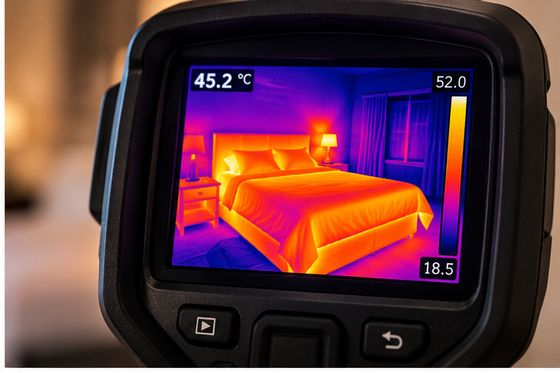
How Heat Treatment Works, and Does It Kill Eggs?
What heat actually does to a bedbug, and why an egg has no defence against it.
Read more →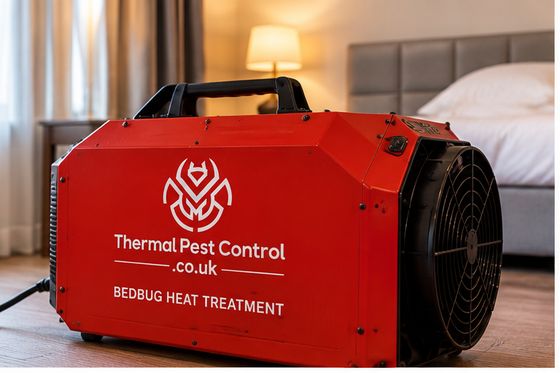
How Long Does a Heat Treatment Take?
Why one London flat takes four hours and another takes ten, and what decides it.
Read more →
Heat or Chemical: How to Choose
Five questions to ask yourself. Answer them honestly and the right treatment picks itself.
Read more →
Preparing Your Home for Heat Treatment
What to do the week before, the night before and the morning of. A plan, not a list.
Read more →
Can Bedbugs Survive a Heat Treatment?
Sometimes, yes. Here are the five ways it happens, and how each one is avoided.
Read more →Bedbug Control Across Croydon
Each area page is written around one situation we deal with.
Tell Us About the Property
Tell us which rooms have been slept in and where you have seen signs, and we will ring with a price.