
- What Age Does and Does Not Change
- Where an Older House Gives Them Room
- Why Newer Homes Get Them Too
- What It Means for Finding Them
- What It Means for Treatment
- Filling the Gaps Afterwards
What Age Does and Does Not Change
Bedbugs arrive in bags, furniture, clothes and bedding. The age of the brickwork has nothing to do with that, so a house built last year can pick them up the same week as one built a century ago. What age changes is what happens next: how many gaps there are within reach of the bed, and how easy those gaps are to find and treat.
Where an Older House Gives Them Room

Decades of settling, redecorating and drying out leave small openings in a room. None of them is a fault; they are just what an old room looks like up close.
- Floorboards with gaps between them, especially at the edges of a room where carpet gripper has lifted.
- Skirting boards that have pulled away from the wall, leaving a dark channel along the top or behind.
- Cracks in plaster, around door frames and at the corners of ceilings.
- Picture rails and dado rails with a small gap behind them.
- Old fitted cupboards, often built into alcoves, with joints that have opened over time.
Most bedbugs will still be in and around the bed. These extra places matter because they hold the stragglers, and it is the stragglers that make a problem seem to come back.
Why Newer Homes Get Them Too
A new build has tighter joints and smoother finishes, which makes bedbugs easier to spot and gives them fewer places away from the bed. It does not stop them arriving, and it does nothing about the bed itself. A divan base, a fabric headboard or an upholstered frame gives them all the cover they need in any house.
So if your home is new, do not assume it cannot be bedbugs. If it is old, do not assume the building is to blame. Both lead people to delay, and delay is what turns one bedroom into two.
What It Means for Finding Them
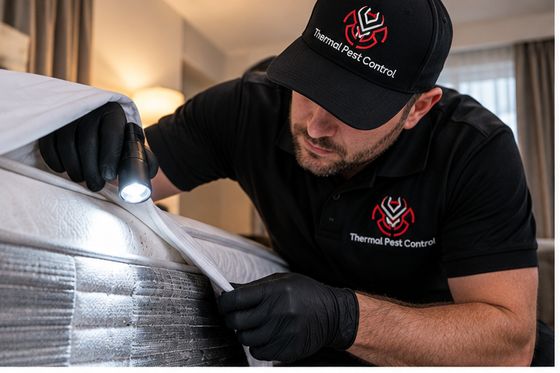
In an older room, the search goes wider. Along with the bed, look along the tops of skirtings nearest the bed, at the edges of carpet where it meets the wall, and into any crack in the plaster at bed height. Use a torch and look for dark spotting and pale shed skins. If you are unsure what you have, a Havering inspection from £120 confirms it.
What It Means for Treatment
With heat, the whole room is raised to a temperature bedbugs cannot survive, and the thermal camera is what makes it work in an old room. Gaps under boards, behind skirtings and in built-in cupboards can lag behind the rest, and the camera shows those cold spots so they are held until they come up. The heat treatment page covers the day in a family house.
With chemical, the residual goes into seams, frames and skirtings, and the technician works it into the gaps an older room offers. It still does not reliably kill eggs, so two visits, sometimes three, about 10 to 14 days apart, are part of the job. The chemical treatment page explains the course.
Neither route needs you to start pulling up boards or skirting before we arrive. Please do not; it disturbs them and spreads them.
Filling the Gaps Afterwards
Once the treatment is finished, sealing obvious gaps near the bed with a filler or decorator’s caulk is a reasonable piece of housekeeping. It leaves fewer places for any future arrival to settle. Do it after the course is complete, not during it: filling a gap that has just been treated with a residual can shut away the part that is doing the work. Ask when you ring if you are unsure about timing.
For the habits that stop bedbugs being carried into any house, old or new, the main Havering page goes through family routines one by one.
Related Questions
Do old floorboards need to come up for treatment?
No. Heat reaches under them with the rest of the room, checked on the thermal camera, and chemical treatment works into the gaps at the edges. Lifting boards yourself spreads them.
We live in a new build. Can it really be bedbugs?
Yes. They arrive with people and belongings, not through the building. A new house gives them fewer places to hide, which can make them easier to find.
Should I fill the cracks before you come?
No. Leave everything as it is until the treatment is finished. Filling gaps afterwards is fine, and worth asking about when you ring.
More Bedbug Advice for Havering
Written up in full for people in the borough, and worth reading before the treatment day.
Getting a Child’s Bedroom Ready
Toys, school things, the cot or bed, and how to bring your child along with it.
Read more →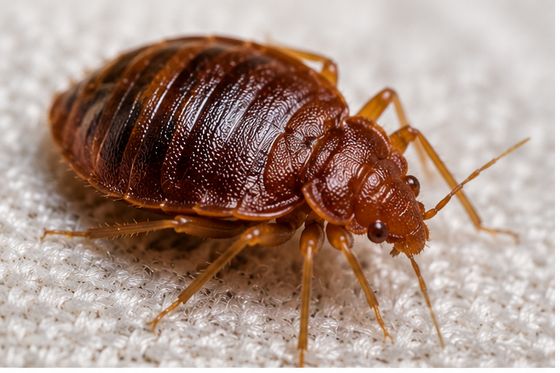
Food, Medicines and the Kitchen
What to move, what can stay, and how heat and chemical treatment differ for each.
Read more →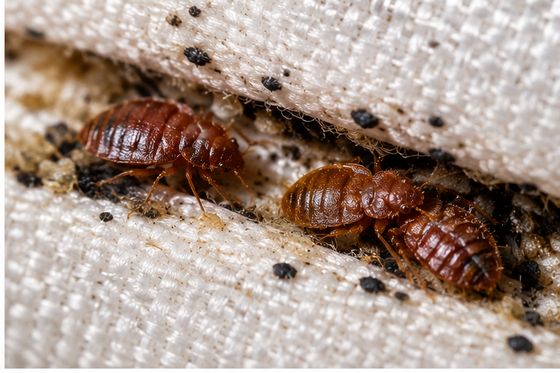
Fabric Wardrobes and Clothes Rails
Canvas wardrobes, open rails and the clothes pile by the bed: checking and treating.
Read more →
Only a Hotel Problem?
Where bedbugs really turn up, why homes are where they settle, and what follows.
Read more →Bedbug Control Across Havering
Each area page is written around one situation we deal with.
Bedbug Treatments in Havering
Every service has its own page for Havering: heat, chemical, hotels, commercial premises and inspections.
Tell Us About the Property
Tell us what you have seen and where, and we will tell you what it needs.