

Where They Actually Are on a Site
A bedbug needs somewhere to hide close to a person who stays still. On a working site that rules out most of the building. It leaves a small number of places, and those are what we inspect and quote for.
- Rest area seating, especially fabric sofas and padded chairs where people doze on a break.
- Any room with a bed or reclining chair, such as a sleep room for drivers or night staff.
- Lockers and coat hooks, where bags, jackets and spare clothes sit side by side all shift.
- The first-aid room, if it has a couch.
- Vehicle cabs with a sleeper bunk, which the Rainham page covers separately.
How we approach bedbugs in any workplace, and why they rarely spread across open floor, is on the London commercial bedbug treatment page for the full explanation.
How They Get Onto the Site
Almost always in someone’s bag or clothing, from home. That matters for how the problem is handled. The person who brought them in has a problem at home too, and treating the rest room alone leaves a steady supply coming back through the door every shift.
So the site treatment works best alongside a quiet message to staff: if you are getting bites at home, get your home looked at, and here is who to ring. Nobody needs to be named. Bedbugs in the workplace covers that conversation in more detail.

Treating Around the Shift Pattern
A site that runs around the clock never has an empty rest room, so treatment is planned for the quietest window rather than a closed building. Tell us your shift changes and we will work out which areas can be closed and when.
- We inspect the rest areas, locker room and any sleep room, and confirm what we find.
- You set up a temporary break space, even a few chairs in a meeting room, for while the rest room is closed.
- Chemical treatment in a rest room is usually one to two hours a visit, with a return visit about ten to fourteen days later. The room is back in use once dry.
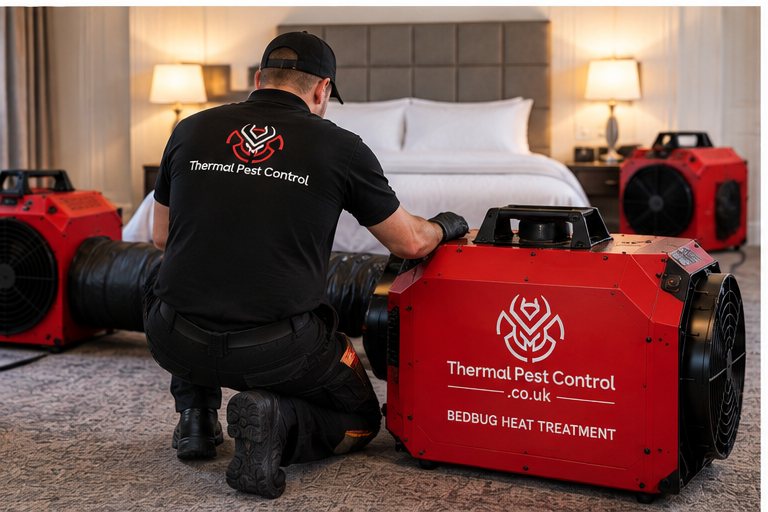
- Where a room is full of fabric seating, heat may suit better: one visit, most of a day, and the room is usable again once it has cooled.
- Staff are asked to keep bags off the floor and out of the rest area until the course is finished.
Night Staff and Split Shifts
On sites where some people work nights, the rest room may be the only place anyone sits for long, and a problem there can go unnoticed by day staff for weeks. When we inspect, we ask to see every break area in use across the day and night, not just the one by the office. If a night supervisor has reported bites or seen small dark marks on a chair, that is worth passing on when you ring.
Furniture and Lost Property
Old sofas are the usual reason a rest room keeps a problem going. Do not drag one out to a skip before we have seen it; carrying it through the site can spread bugs into the next room. If it needs to go, we tell you how to wrap it first.
Lost property boxes and piles of spare hi-vis kit are worth clearing out before the first visit. Wash what can be washed on a hot cycle and bag it.
Lockers need emptying before a chemical visit so we can reach the corners and hinges. Give staff notice, and ask them to take belongings home in a sealed bag and wash what they can, rather than moving it into a car or another locker.
Quotes for Sites
Commercial work is quoted on the rooms or areas involved, not on the size of the building. A single rest room is a small job; a site with several break areas and a sleep room is a larger one. Treatments start from £220, and heat costs more than chemical. If you are not sure what you have, an inspection in Havering starts from £120. Ring 0800 955 1018 for a figure before anything is booked, or read the Havering bedbug control page for the household side.
← Bedbug Control Havering · Commercial Bedbug Treatment London, in full
Commercial Bedbug Treatment Havering — Questions
Do we need to shut the site?
No. The affected rest areas close while they are treated. Loading, picking and office work carry on.
Should we tell staff?
Yes, simply and without naming anyone. Tell them which rooms are closed and when, and suggest anyone with bites at home gets it looked at.
Can bedbugs spread into stock or goods?
It is unusual. They stay close to where people rest and sleep, not in racking or cartons. If something in storage worries you, ask when you ring.
Is heat or chemical better for a staff room?
Chemical suits a room with hard seating that can close for short spells. Heat suits a room full of fabric sofas that needs to be dealt with in one visit.
How is the price worked out?
On the rooms and areas we treat. Treatments start from £220 and we give you the figure on the phone before booking.
Bedbug Treatments in Havering
Every service has its own page for Havering: heat, chemical, hotels, commercial premises and inspections.
Commercial Advice
The guides that go into commercial bedbug treatment in more depth.
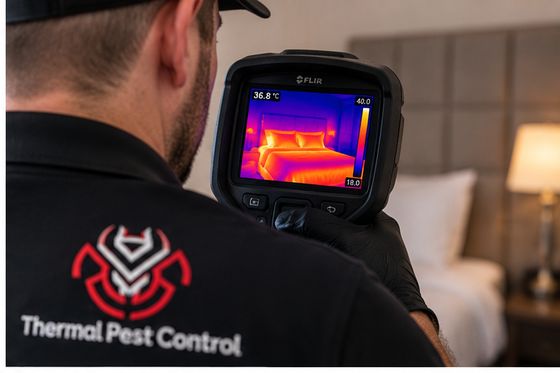
Bedbugs in the Workplace
The source is almost always somebody's home. Handling that without humiliating anyone is the real job.
Read more →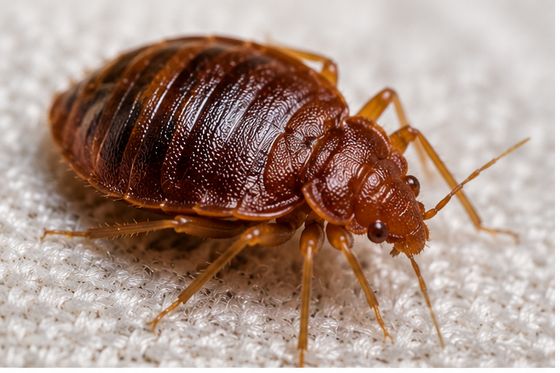
HMOs and Serviced Apartments
Getting into every unit at once is the hard half of block work. How it is actually scheduled.
Read more →
Student Accommodation and Halls
The academic calendar is a pest calendar. Build the inspection programme around it.
Read more →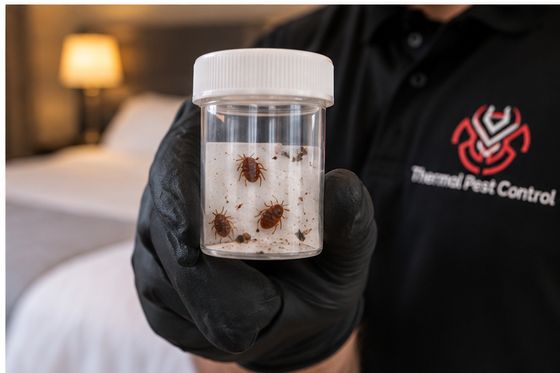
Bedbug Treatment for Care Homes
Treating around a resident who cannot easily move, and why heat is often the wrong answer.
Read more →
Can Bedbugs Spread Through an Office?
What an office 'infestation' turns out to be when somebody actually investigates it.
Read more →Bedbug Control Across Havering
Each area page is written around one situation we deal with.
Tell Us About the Property
Tell us which rest areas, locker rooms or sleep rooms are affected, and roughly how your shifts run.