

Which Rooms Go in the Quote
A semi is a small house to move around in. Everyone uses one landing, one bathroom and usually one sofa, so a problem found in the main bedroom has had plenty of chances to reach the box room and the lounge. Before we price heat, we ask where each person sleeps, where anyone naps or watches television in the evening, and whether a child has been sleeping in a parent’s bed.
- Every bedroom with signs, and usually any bedroom sharing a wall with one that has them.
- The box room, even if it is only used for storage. Bags of clothes and spare bedding are exactly where bedbugs settle when nobody is sleeping nearby.
- The lounge, if someone falls asleep on the sofa most nights or a sofa bed gets used for guests.
- The landing, where carpet edges and the stair spindles sit between the rooms.
If the signs are in one room only and were caught early, you may not need heat at all. The chemical treatment page for Havering sets out when that route makes more sense. How the heat itself works, and why it reaches the eggs, is on the London heat treatment page for the full explanation.
The Wall You Share With Next Door
The difference between a semi and a detached house is one wall, and that wall matters. Bedbugs can travel along skirting boards and through gaps where pipes and cables pass between the two halves of the building. Heating your side kills what is on your side. It leaves nothing behind to stop anything coming back through from the other side later.
So in a semi we look closely at the party wall in each treated room. Where there are gaps, or where your neighbours have mentioned bites of their own, we may put a light residual along the edges of that wall after the heat is finished. If we do, we tell you where it went and when those surfaces can be touched, and you follow those instructions.
You do not have to tell next door. If you are on good terms, a quiet word that you have had bedbugs and they might want to check their own beds does them a favour.
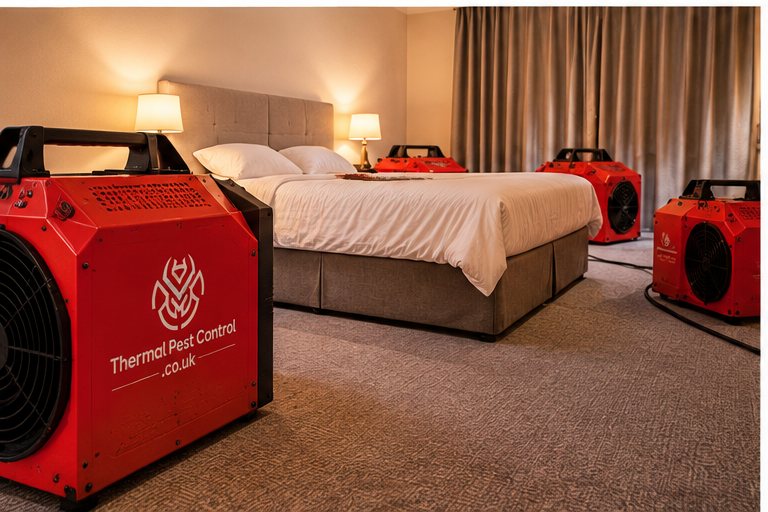
Where Everything Waits for the Day
Heat-sensitive items come out of each treated room before we start: aerosols, candles, medication, vinyl, plants and some electronics. In a flat there is nowhere to put them. In a house there is usually a garage, a kitchen or a conservatory, and that is where they go. Keep them in a room we are not heating and away from the doors we will be using.
Anything that comes out needs a look first, because a bedbug hiding in a box of hair things will simply wait downstairs. Wipe or shake items over a sheet before bagging them. Food and medicines have their own page: food, medicines and kitchen items during treatment.
Do not stack everything from upstairs on the sofa or in a car on the drive for a week. Bags left for days become the next hiding place. Things go out the evening before and back in when the rooms have cooled.
Children’s Rooms and Clothes Rails
Two parts of a family house cause most of the questions on the phone. A child’s bedroom full of toys, school things and a cot needs its own plan, which is set out in getting a child’s bedroom ready. Canvas wardrobes and open rails in a small bedroom are the other, covered in bedbugs in fabric wardrobes and clothes rails. Both can stay in the room for heat; the pages explain what to do with them first.
If a bed has been brought downstairs into a front room for someone who cannot manage the stairs, that room becomes part of the treatment. The Hornchurch page deals with that situation.
How the Day Runs in a House
- We arrive and walk the house with you, room by room, noting where you have seen bites, spotting or live bugs.
- The equipment goes in through the front door and up the stairs. Cars on the drive may need to be moved so we can unload close to the house.
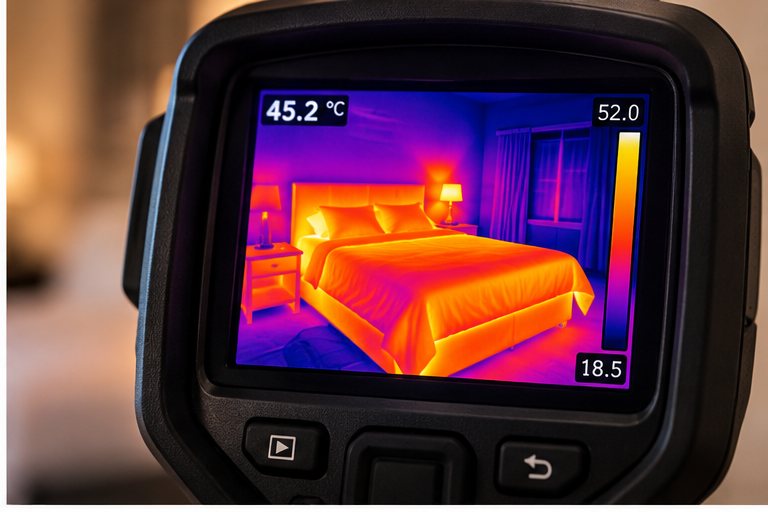
- The rooms are sealed and heated one after another, or together where the layout allows, and the whole time is checked with a thermal camera for cold spots.
- Everyone, including pets, stays out of the treated rooms. Most families spend the day elsewhere.
- When the rooms have cooled we tell you they can be used, and the beds can be slept in that night.
What a House Costs
Treatments start from £220. Heat costs more than chemical, and a quote for three bedrooms and a lounge is more than one for a single room. Ring 0800 955 1018, tell us which rooms have signs and which rooms people sleep in, and you get the figure before anything is booked. If you are not sure it is bedbugs at all, start with an inspection in Havering from £120.
← Bedbug Control Havering · Bedbug Heat Treatment London, in full
Bedbug Heat Treatment Havering — Questions
Do you have to heat the whole house?
Not usually. We heat the rooms with signs and the rooms that share the most traffic with them, which in a semi is often the bedrooms, the landing and sometimes the lounge. The quote lists them.
Will the treatment affect the house next door?
No. The heat stays on your side of the wall. If there are gaps in the party wall we may add a light residual along it so anything arriving later meets something.
Can we stay downstairs while the bedrooms are heated?
Sometimes, if the layout lets us seal the upstairs off. We tell you on the phone whether that works for your house. Most families find it easier to go out for the day.
Can the removed items go in the garage?
Yes, a garage is a good place for them, as long as they were checked before they went in and they come back the evening after treatment rather than sitting there for weeks.
How long before we can sleep in the rooms?
Once they have cooled, the same evening. There is nothing left in the air from the heat itself. Where a residual has been used, follow what we tell you about those edges.
Is heat always better than chemical in a house?
No. It is quicker and reaches the eggs in one visit, but it costs more. For one room found early, chemical can be the sensible choice. See the chemical treatment page.
Bedbug Treatments in Havering
Every service has its own page for Havering: heat, chemical, hotels, commercial premises and inspections.
Heat Treatment Advice
The guides that go into bedbug heat treatment in more depth.
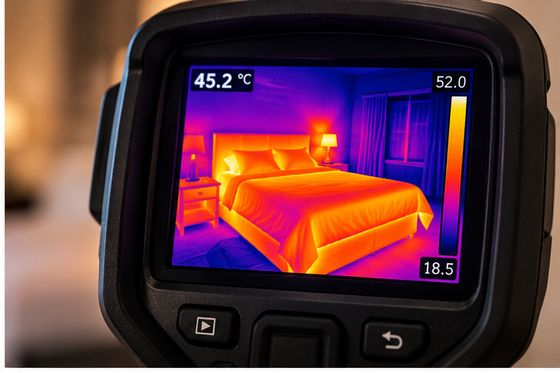
How Heat Treatment Works, and Does It Kill Eggs?
What heat actually does to a bedbug, and why an egg has no defence against it.
Read more →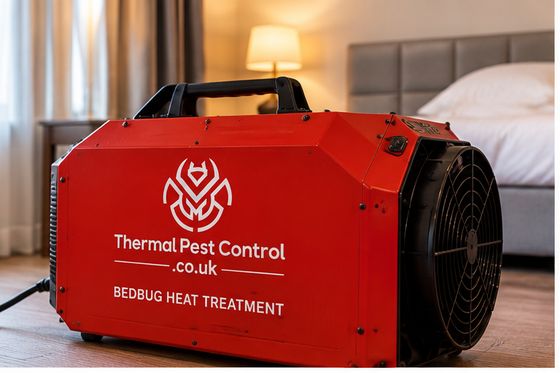
How Long Does a Heat Treatment Take?
Why one London flat takes four hours and another takes ten, and what decides it.
Read more →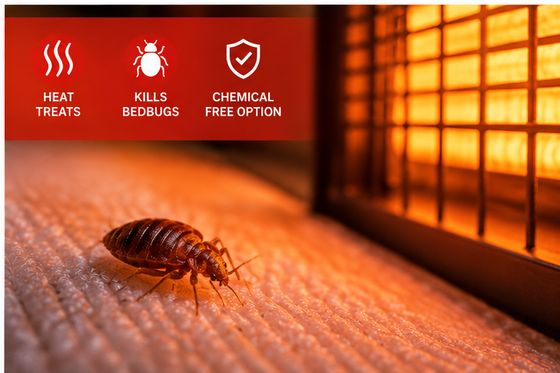
Heat or Chemical: How to Choose
Five questions to ask yourself. Answer them honestly and the right treatment picks itself.
Read more →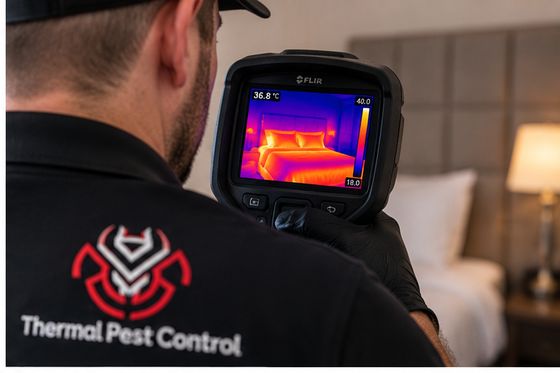
Preparing Your Home for Heat Treatment
What to do the week before, the night before and the morning of. A plan, not a list.
Read more →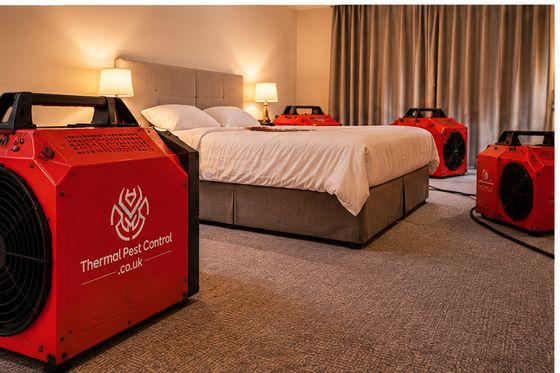
Can Bedbugs Survive a Heat Treatment?
Sometimes, yes. Here are the five ways it happens, and how each one is avoided.
Read more →Bedbug Control Across Havering
Each area page is written around one situation we deal with.
Tell Us About the Property
Tell us how many bedrooms the house has and which ones have signs, and we will ring back with a price for heat.