
- What We Do Differently in a Block
- Telling the Landlord
- Talking to the Neighbours
- While You Wait for the Rest of the Block
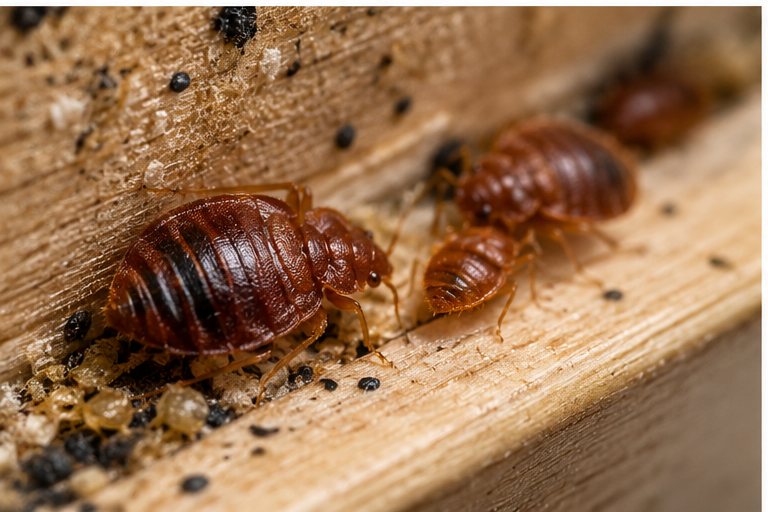
Most people on an estate find out a neighbour has bedbugs in one of three ways: a conversation on the landing, a mattress left by the bins, or a letter from the landlord. None of these proves the insects in your bedroom came from next door. They may have, or they may have come in with a bag or a second-hand chair. For the treatment it matters less than people think; for the conversation with the landlord it matters more.
What We Do Differently in a Block
The treatment inside your flat is the same treatment we would do in a house. The difference is at the boundary. Where a flat shares walls, a floor and a ceiling with others, we pay particular attention to the routes a bedbug could use to come in: skirting on the party walls, the gaps where heating and water pipes pass through, and the threshold of the front door.
- With chemical treatment, the residual insecticide along those edges is doing two jobs at once — killing what is already in your flat and anything that walks in later.
- With heat treatment, the room is cleared in one visit, eggs included, but heat leaves nothing behind. In a shared building we may add a light residual at the edges so the flat is not left open to the one next door.
Telling the Landlord
On a council or housing association estate, the landlord is the only party who can arrange for several flats to be looked at together. That is why reporting it matters even if you intend to pay for your own treatment.
- Put it in writing — an email or the landlord's repairs form, not only a phone call.
- Say what you have found, which rooms, and when you first noticed it.
- Say if you know or suspect that neighbours are affected, without naming anyone you are not sure about.
- Keep a copy, and note the date and any reference number you are given.
- If we have treated or inspected, attach our written note of what we found.
Who arranges and pays for treatment depends on the tenancy and on the cause, and landlords handle it in different ways. We are pest controllers, not legal advisers; if there is a dispute, a housing adviser is the right person to ask.
Talking to the Neighbours
People are embarrassed about bedbugs, and a neighbour who feels accused will often deny everything and do nothing. It goes better when you lead with your own flat rather than theirs: you have found them, you are getting it treated, you wanted to mention it in case they notice anything. That gives them a way in without having to admit anything on the doorstep.
If they say they already have them, the most useful thing is to find out whether anyone is dealing with it and when. Treatments in neighbouring flats that happen close together are far more effective than ones months apart.
While You Wait for the Rest of the Block
There are a few things that help and a few that make it worse.
- Do not drag a mattress or sofa out through the stairwell unless we have advised it. Wrapped or not, it sheds bugs along the way.
- Do not move to a relative's flat to sleep. It usually takes them with you.
- Do keep the bed a little way off the wall so it only touches the floor.
- Do keep bags and coats off the floor by the front door.
If spotting or live bugs turn up again after treatment, note where. Near the party wall or the front door points to re-introduction from outside the flat; in the middle of the mattress points to survivors. The fix is different, and our guide to why bedbugs reappear explains how to tell.
For the wider picture of treating flats in shared buildings across Southwark, see the borough page.
Related Questions
Is it worth treating my flat if the neighbours will not treat theirs?
Usually yes. You get rid of what is in your flat and the residual at the edges gives you protection, but be realistic: while the flat next door still has them, there is a risk of them coming back.
Can the landlord make my neighbour have treatment?
That depends on the tenancy agreements, and it is the landlord's question to answer, not ours. Reporting it in writing is what starts that process.
Will the treatment in my flat drive them next door?
A properly placed treatment kills them where they are rather than chasing them away. It is shop sprays and foggers that tend to scatter bedbugs into walls and neighbouring rooms.
Can you treat several flats in one go?
Yes, when the landlord or the households arrange it together. Ring and tell us how many flats and rooms are involved.
More Bedbug Advice for Southwark
Written up in full for people in the borough, and worth reading before the treatment day.
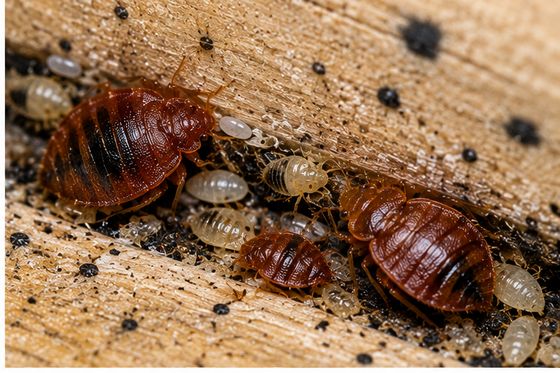
Flat Shares: Getting Everyone Ready
Four people, four rooms and one treatment day: how to share the preparation fairly.
Read more →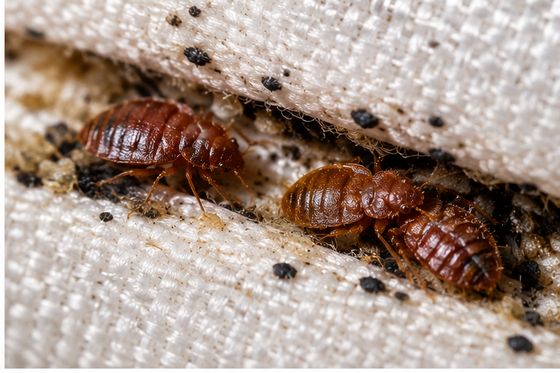
Bedbugs in a Headboard
Why the headboard is one of the first places we look, and what to do with one that has them.
Read more →
Bites: What Helps and When to See a GP
Plain information on bites: the pharmacist, the GP, and the signs that mean call 999.
Read more →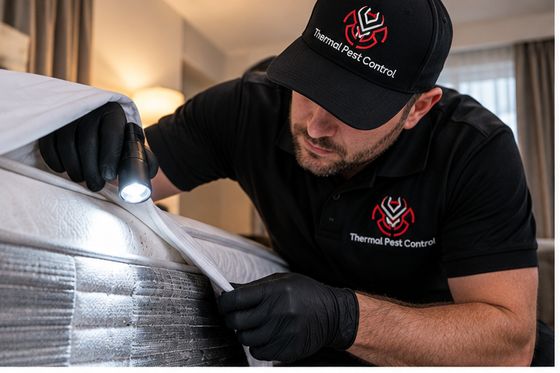
How Much Should You Clear?
Less than you fear, more than you might think: what to bag and what to leave alone.
Read more →Bedbug Control Across Southwark
Each area page is written around one situation we deal with.
Bedbug Treatments in Southwark
Every service has its own page for Southwark: heat, chemical, hotels, commercial premises and inspections.
Tell Us About the Property
Tell us what you have seen and where, and we will tell you what it needs.