
- Why a Sofa Bed Suits Them
- Where to Look
- If It Is Used Every Night
- How a Sofa Bed Is Treated
- A Sofa Bed That Came Second-Hand
In a small flat, the sofa bed is often the only bed in the living room, the place a lodger or a housemate sleeps every night, or where a guest stays for a week. Any of those makes it a feeding spot. If bites are turning up on whoever sleeps there, the sofa bed is the first place to look.
Why a Sofa Bed Suits Them
An ordinary bed has a mattress, a frame and a headboard. A sofa bed has all of that folded into a box, plus a sofa built around it. There are hinges, springs, metal bars, a fabric or mesh deck the mattress lies on, and a dark cavity inside the base that nobody ever looks into. Each of those is a crevice close to where someone sleeps.
The mattress is usually thin and folds with the frame, so its seams and fold lines get pressed into the mechanism every day. The seat and back cushions sit on top, with their own zips and piping. It all adds up to a lot of hiding places in a small piece of furniture.
Where to Look
- The seams, piping and fold lines of the fold-out mattress.
- Where the fabric or mesh deck is stitched or clipped to the metal frame.
- Hinges, rivets and the joints where bars cross.
- Inside the base, once the mechanism is pulled out, along the timber and staples.
- Zips and piping on the seat and back cushions.
- Underneath the sofa, where the dust cover is stapled on.
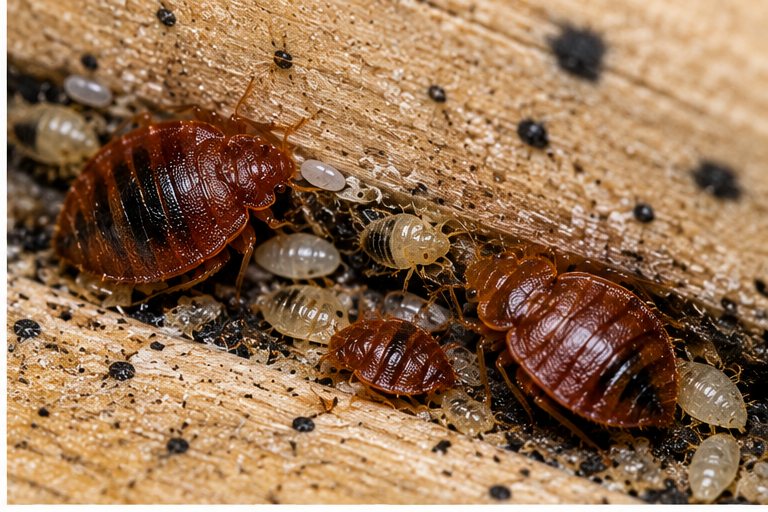
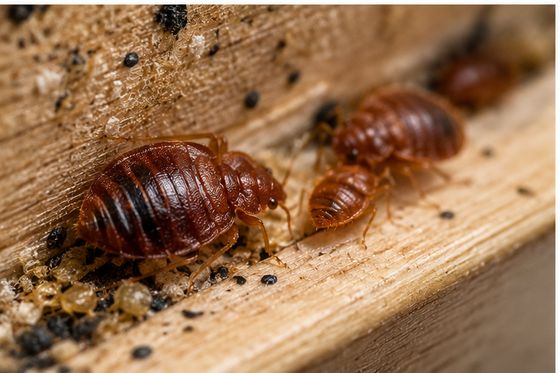
Look for the insects themselves, small dark spots that smear when wiped, pale shed skins and tiny eggs in the tightest folds. A torch helps. Our London guide to places bedbugs hide that get missed covers the less obvious spots in the rest of the room.
If It Is Used Every Night
When a sofa bed is someone’s only bed, the advice is the same as for any bed. Keep sleeping on it until it has been treated. Moving to the floor or another room usually means the bugs follow, and then two places need treating.
Strip the bedding and hot-wash it. Leave the sofa bed where it is rather than dragging it out to the bin store, which spreads bugs across the flat and along the stairs, and leaves any in the floor and skirting behind. Hold off on a shop spray too; it pushes them deeper into the mechanism.
How a Sofa Bed Is Treated
With heat, the whole room is raised to a temperature bedbugs cannot survive and held while a thermal camera checks for cold spots. The sofa bed is opened up so the heat reaches into the base and the frame, and the cushions are spread out. It deals with the eggs as well, and it takes most of a day.
With chemical treatment, a residual insecticide goes into the frame joints, the base, the mattress seams and the surrounding skirting. Because it does not reliably kill eggs, it usually needs two visits, sometimes three, about 10 to 14 days apart. You can use it again once it is dry. The borough pages for heat and chemical treatment explain how each works in a flat.
Either way, leave the mechanism open and empty on the day, with nothing stored in the base. A sofa bed that is badly damaged or falling apart may be one we suggest replacing after treatment, but that is a decision to make with us, not before we arrive.
A Sofa Bed That Came Second-Hand
Sofa beds are often passed on when people move out, which makes them a common way for bedbugs to change homes. If you are taking one on, open it up fully and go through the list above in daylight before it comes through the door. The Mile End page covers furniture handed on at the end of a tenancy.
Related Questions
Can I just throw the sofa bed away?
Not before treatment unless we advise it. Carrying it out spreads bugs through the flat and building, and any left in the room will move to whatever replaces it.
Does the whole sofa need treating, or just the mattress?
The whole thing. The frame, hinges and base hide more bedbugs than the mattress does, so treating only the mattress leaves most of them in place.
Can a sofa bed go through heat treatment?
Usually, yes. It is opened up so the heat reaches the mechanism. Tell us if it has electric recliner parts or anything heat-sensitive, and follow the list we give you.
Nobody has slept on our sofa bed for months. Could it still have bedbugs?
It could, as bedbugs can go a long time without feeding. If you are unsure, an inspection from £120 will confirm it.
More Bedbug Advice for Tower Hamlets
Written up in full for people in the borough, and worth reading before the treatment day.
Lifts and Corridors
How they actually move through a block, and why the lift is not the thing to worry about.
Read more →
Bedbugs and the Gym
Changing rooms, lockers and kit bags: the honest picture and a routine that takes no time.
Read more →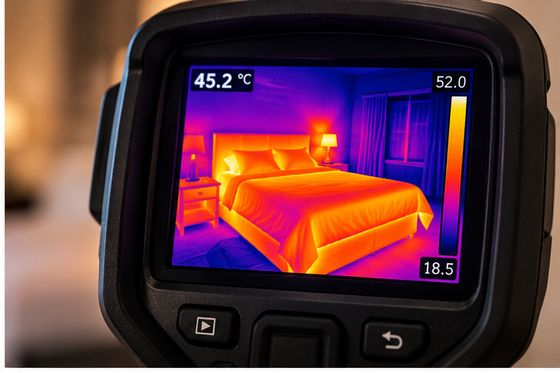
What Affects the Cost
Rooms, method, visits and preparation: what changes the figure and what does not.
Read more →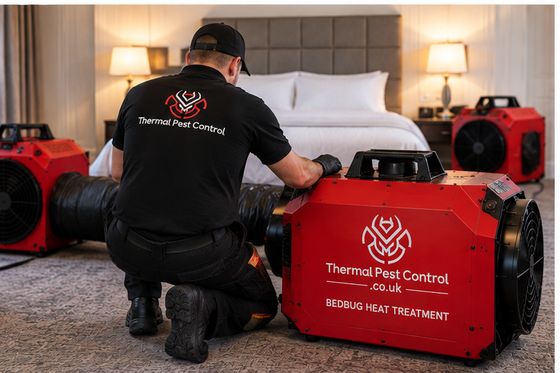
Time Off for Treatment
Stage by stage: the inspection, the preparation, the heat day or chemical visits, and who has to be in.
Read more →Bedbug Control Across Tower Hamlets
Each area page is written around one situation we deal with.
Bedbug Treatments in Tower Hamlets
Every service has its own page for Tower Hamlets: heat, chemical, hotels, commercial premises and inspections.
Tell Us About the Property
Tell us what you have seen and where, and we will tell you what it needs.