
- Why the Bite Itself Goes Unnoticed
- What People Notice Later
- Two People, One Bed, Different Skin
- What This Means for Checking
- When to Get It Looked At
It seems as if you ought to notice something biting you in bed. With bedbugs you usually do not. They feed while you are asleep, the feed itself is generally painless, and they are back in the seams of the mattress before morning. That is a big part of why they go unnoticed for so long.
Why the Bite Itself Goes Unnoticed
A bedbug’s mouthparts are fine enough to pierce the skin without much disturbance, and its saliva is understood to numb the spot and keep the blood flowing while it feeds. It also tends to come out in the deep part of the night, when you are least likely to stir. Put those together and a feed passes without waking anyone.
Occasionally someone who is awake, or a light sleeper, feels a faint crawling or a prick. That is the exception. Not feeling anything tells you nothing either way.
What People Notice Later
- Itchy red marks, often on skin that was uncovered in bed: arms, shoulders, neck, face and ankles.
- Marks in a short line or a small cluster, where one bug fed more than once or several fed close together.
- Marks that appear a day or several days after the night they happened, so the timing is hard to pin down.
- Small spots of blood on the sheets or pillowcase.
- In many people, nothing at all.
Reactions vary a great deal between people, and can change in the same person over time. If the itching is bad or the skin looks sore, a pharmacist or GP can advise. Scratching tends to make it worse. Call 999 if anyone has signs of a severe allergic reaction, such as swelling of the face or difficulty breathing.
Two People, One Bed, Different Skin
A very common pattern is one partner covered in marks while the other has nothing, and the one without marks decides the problem is not in the bed. It usually is. Both are almost certainly being bitten; only one of them is reacting.
The same applies in a shared house. A housemate who says they are fine because they have no bites may still have bedbugs in their room. That is why checking the beds, not comparing arms, is how a household works out which rooms are involved. The Waltham Forest page covers getting a whole house to do that together.
What This Means for Checking
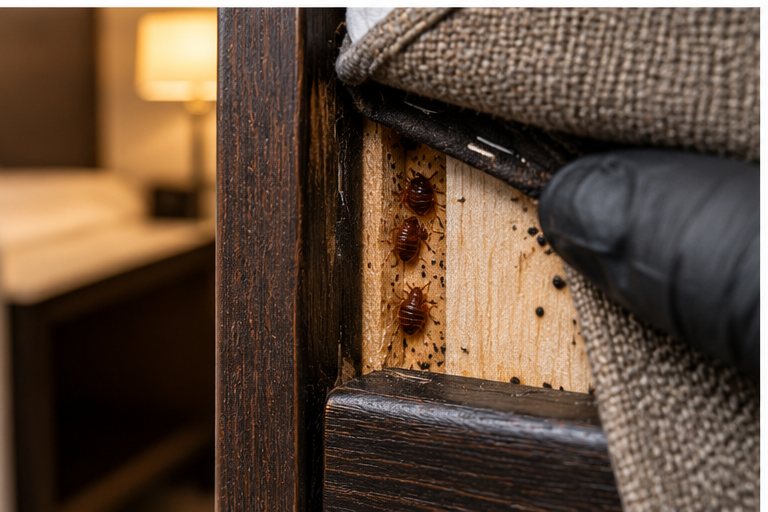
Because skin is such an unreliable witness, look for the evidence the bugs leave on the bed rather than on you.
- Strip the bed and look along every mattress seam and the piping with a torch.
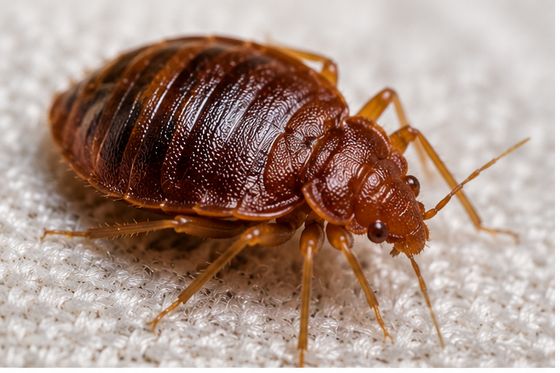
- Look for dark spots like ink dots, pale shed skins and the bugs themselves.
- Lift the mattress and check the base, the frame joints and the screw holes.
- Check behind the headboard and along the skirting nearest the bed.
- Catch anything you find in a jar or on clear tape so it can be identified.
Other bites and rashes are easily mistaken for bedbugs, which is why the London guide to bedbugs or something else is worth a read. If a school letter prompted the worry, see when school sends a letter about bedbugs.
When to Get It Looked At
If you have marks and cannot find anything, or you found something and are not sure what it is, an inspection from £120 settles it before anything is spent on treatment. If you have found bugs or spotting, ring 0800 955 1018 and tell us how many rooms are affected. Treatment starts from £220, and we give you the figure on the phone before anything is booked. Until then, keep sleeping in your own bed; moving to the sofa tends to take them with you.
Related Questions
Do bedbug bites hurt?
Usually not at the time. Most people sleep straight through the feed and only notice marks or itching later, if at all.
Why am I bitten and my partner is not?
Your partner is probably being bitten too, but not reacting. Reactions vary widely, so check the bed rather than comparing skin.
How long after a bite do the marks appear?
It varies. Some people see marks the next morning, others only after a few days, and some never react at all.
Can I tell bedbug bites from other bites by looking?
Not reliably. Lines and clusters are suggestive, but the only confirmation is finding the bugs or their spotting.
What should I put on the bites?
Ask a pharmacist or GP about itching or a skin reaction. Call 999 if anyone shows signs of a severe allergic reaction.
More Bedbug Advice for Waltham Forest
Written up in full for people in the borough, and worth reading before the treatment day.
Can Bedbugs Swim?
Water moats under bed legs, soaking and drowning, and why none of it counts as treatment.
Read more →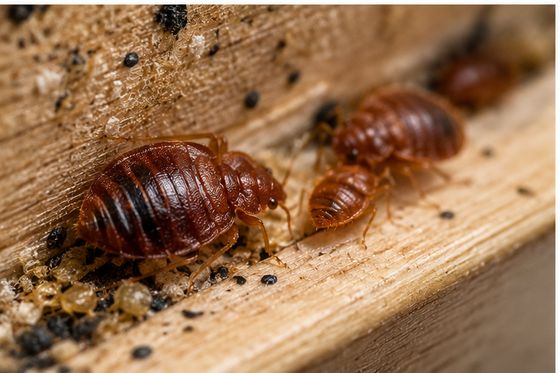
Blinds and Window Frames
The window beside the bed: blinds, curtain tracks and frames, how to check and how they are treated.
Read more →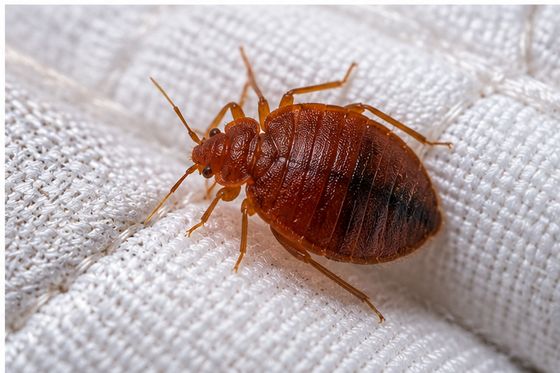
Does Dry Cleaning Kill Bedbugs?
What dry cleaning can do, getting things to the cleaner without spreading bugs, and when a hot dryer does instead.
Read more →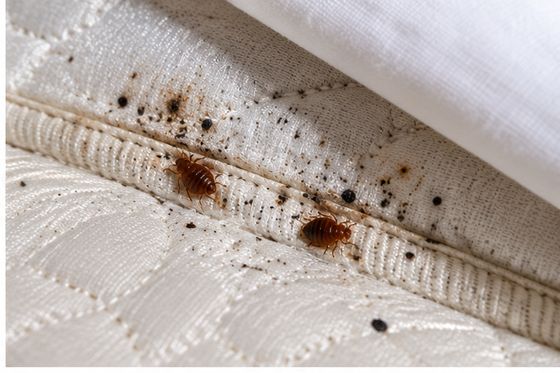
A Letter From School
What the letter usually means, how to check your child's bag and bed, and keeping it in proportion.
Read more →Bedbug Control Across Waltham Forest
Each area page is written around one situation we deal with.
Bedbug Treatments in Waltham Forest
Every service has its own page for Waltham Forest: heat, chemical, hotels, commercial premises and inspections.
Tell Us About the Property
Tell us what you have seen and where, and we will tell you what it needs.