
- Where to Look Around a Window
- Blinds and Curtains You Can Take Down
- How the Window Area Is Treated
- What You Can Do in the Meantime
- In an Older Terrace
Most bedbugs stay close to where people sleep, which is why the mattress and frame are the first places anyone looks. But a bed pushed under a window puts the sill, the reveal and the blind within easy reach, and in a well-established problem bugs spread out to any tight crack nearby. Windows are easy to forget because nobody thinks of them as somewhere an insect lives.
Where to Look Around a Window
- The slats and the headrail of a venetian or roller blind, especially where the mechanism is boxed in.
- The curtain track or pole brackets, and the tops of curtains where the hooks and gathers make deep folds.
- The joint between the sill and the wall, and any cracked paint or filler along it.
- The gaps where an older timber frame meets the plaster, and the beading around the glass.
- Behind any radiator under the window, and the skirting at either end of it.
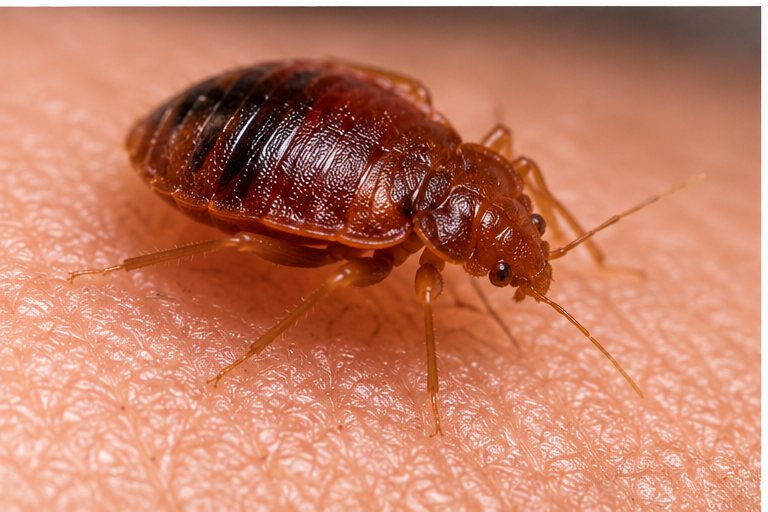
What you are looking for is the same as on a mattress: small dark spots like the tip of a felt pen, pale shed skins, tiny pale eggs, and the bugs themselves. A torch held low against the surface shows up spotting much better than the ceiling light. The London guide to where bedbugs hide that gets missed lists other easily overlooked places.
Blinds and Curtains You Can Take Down
Fabric curtains are the easy part. Unhook them in the room, fold them inwards and bag them before they cross the doorway, then give them the hottest wash and dry the fabric allows. If the label says dry clean only, read does dry cleaning kill bedbugs? before you take them anywhere.
Blinds are harder. Fabric roller blinds can sometimes be washed; slatted blinds cannot. A careful vacuum along the slats and headrail with a narrow nozzle lifts what is on the surface, and emptying the vacuum outside straight away stops it coming back. Do not start taking a blind to pieces or carrying it round the house before treatment; leave it hanging unless we say otherwise.
How the Window Area Is Treated
With chemical treatment, residual insecticide goes into the cracks and joints where bedbugs shelter, and that includes the sill joint, the frame edges and the skirting under the window when the bed is nearby. We look at the blind and the curtain track as part of the room. The London guide on where pest controllers treat explains the thinking.
With heat treatment, the window is part of the room being heated. Glass and the wall around it lose heat faster than the middle of the room, which is exactly the kind of place the thermal camera is used to check until it has come up too. Plastic and vinyl items can suffer in heat, so ask when you ring whether a vinyl blind should come down before the day.
What You Can Do in the Meantime
- Pull the bed a hand’s width away from the window and the wall, so the bedding does not touch either.
- Wash the curtains, bagged in the room first.
- Vacuum the blind, the sill and the skirting under the window, and empty the vacuum outside.
- Do not fill the gaps round the frame yet; we need to be able to treat into them.
- Keep sleeping in the same bed so the bugs stay where the treatment will reach them.
In an Older Terrace
Victorian and Edwardian houses often have deep sills, old timber frames and layers of paint that have cracked over the years. None of that causes bedbugs, but it gives them more places to tuck in once they are there. After the problem has been treated, filling and repainting cracked joints around the window is a sensible bit of housekeeping. If the house is rented, ask the landlord first; the Waltham Forest page covers raising that kind of thing.
Related Questions
Can bedbugs live in a window blind?
They can shelter in the slats and headrail, especially if the bed is close to it. They are there because of the person sleeping nearby, not because of the blind itself.
Should I throw the blind away?
Not before we have looked. Taking it down and carrying it out can scatter bugs, and most blinds can be vacuumed and treated where they hang.
Is it worth sealing the gaps round my window frame now?
Wait until after treatment. Sealing first can shut bugs into a crack where the treatment cannot reach them.
Will heat treatment damage my blinds?
Fabric and metal blinds usually cope, but plastic and vinyl can be affected. Ask about yours when you ring and we will tell you what to take down.
More Bedbug Advice for Waltham Forest
Written up in full for people in the borough, and worth reading before the treatment day.
Can Bedbugs Swim?
Water moats under bed legs, soaking and drowning, and why none of it counts as treatment.
Read more →
Does Dry Cleaning Kill Bedbugs?
What dry cleaning can do, getting things to the cleaner without spreading bugs, and when a hot dryer does instead.
Read more →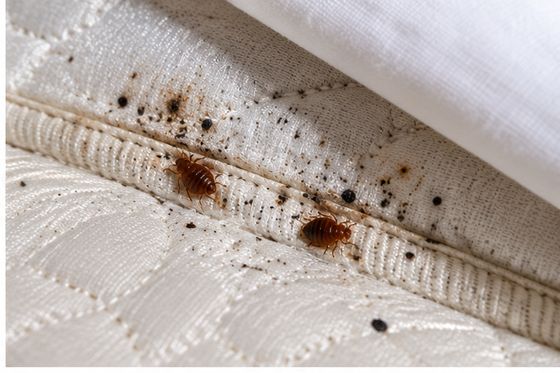
A Letter From School
What the letter usually means, how to check your child's bag and bed, and keeping it in proportion.
Read more →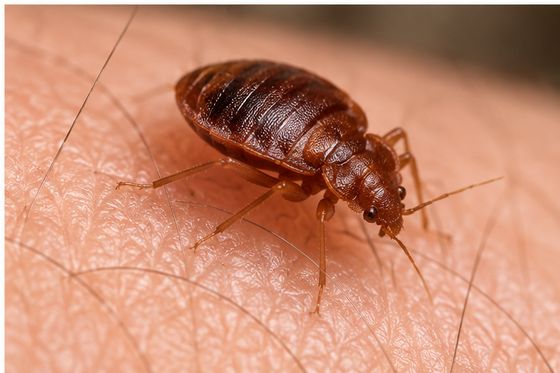
Can You Feel a Bedbug Bite?
Why most people sleep through it, what shows up later, and why the bed tells you more than your skin.
Read more →Bedbug Control Across Waltham Forest
Each area page is written around one situation we deal with.
Bedbug Treatments in Waltham Forest
Every service has its own page for Waltham Forest: heat, chemical, hotels, commercial premises and inspections.
Tell Us About the Property
Tell us what you have seen and where, and we will tell you what it needs.