
- Gather the Evidence First
- What to Put in Writing
- What Usually Happens Next
- While You Wait
- If You Decide to Book It Yourself
This guide is about the practical side of reporting. It is not legal advice. We are pest controllers, and who is responsible for arranging and paying for treatment depends on your tenancy agreement and on how the bedbugs arrived. If you need to know where you stand, an independent housing adviser is the right person to ask.
Gather the Evidence First
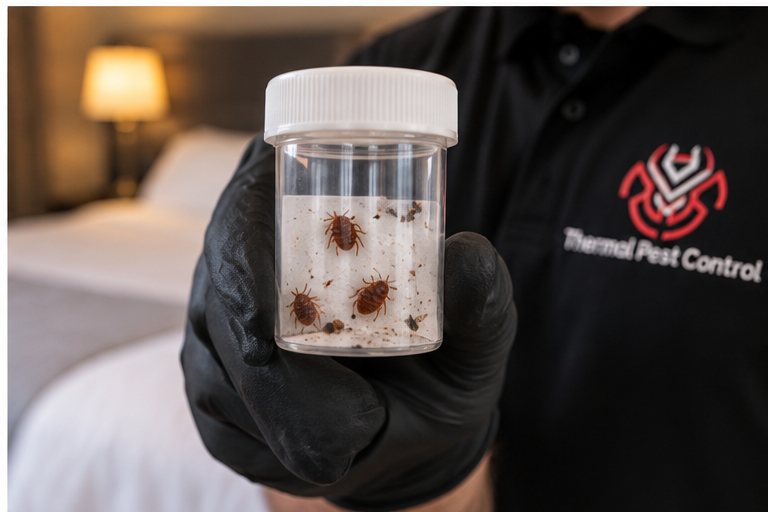
A landlord is far more likely to act quickly on a report that shows what you have found. Before you write, take a little time to collect it.
- A specimen, if you can get one. A bedbug caught on clear sticky tape, or dropped into a small sealed pot or bag, is the most useful thing you can have.
- Photographs. Close-ups of any insects, the dark spotting along mattress seams and the corners of the bed frame, and any shed skins. Put a coin or a ruler in the shot for scale.
- A short diary. When you first noticed bites or insects, which rooms, and who is sleeping where.
If you are not sure whether it is bedbugs at all, it helps to read what else it could be before you report. A report that turns out to be carpet beetle wastes a visit for everyone.
What to Put in Writing
Use whatever written channel your landlord offers: an online repairs form, an email address, or a letter. If you phone, follow the call up with an email the same week that repeats what you said. The written version is the one that counts.
- Your name, address and tenancy reference, so it reaches the right team.
- What you have found, in plain words: live insects, spotting on the mattress, bites.
- Where: which rooms, and whether it is the bed, the sofa or both.
- When you first noticed it, and whether it is getting worse.
- Who lives there, and anything that affects how a treatment could be done: young children, someone with a health condition, pets, a fish tank.
- Your evidence, attached or described.
- A clear request: that the landlord arranges an inspection, or tells you in writing what they expect you to do.
Keep a copy of everything you send and a note of any reference number you are given.
What Usually Happens Next
Every landlord does it differently, but the pattern is similar. Someone will usually be sent to confirm the problem, either a surveyor or a pest controller. If bedbugs are found, the landlord will either arrange treatment through their own contractor or tell you that you need to arrange it yourself. Which of those happens comes back to your tenancy and to the cause, which is why it is worth having the decision in writing.
If treatment is arranged, you will be asked to prepare the home before the visit. That preparation is your part of the job, and a treatment done in an unprepared room is far more likely to need repeating. For chemical treatment, that means bedding stripped and hot-washed and floors cleared. For heat, the list is different, and preparing for heat treatment sets it out.
While You Wait
The gap between reporting and treatment is where things tend to go wrong. A few rules keep a small problem small:
- Keep sleeping in your own bed. Moving to the sofa usually takes them with you.
- Do not throw out the mattress or the bed. Moving it through the building spreads them to the stairs, the landing and sometimes next door.
- Hot-wash and tumble dry bedding and nightclothes on the highest setting they can take.
- Avoid shop sprays, which tend to scatter them further into the walls.
If the landlord has not responded, chase in writing and keep a note of each time you have been in touch. A record of dates is worth more than a series of phone calls.
If You Decide to Book It Yourself
Some tenants would rather not wait, or are told the treatment is their responsibility. You can ring us on 0800 955 1018 and book an inspection from £120 or a treatment from £220; the final price depends on the rooms and on heat or chemical. Tell your landlord in writing that you have done so. If there is any chance the cost should fall on them, sort that out with them before we come, not after.
The borough page explains how heat and chemical fit the two main kinds of home here.
← Bedbug Control Barking and Dagenham · Bedbug Control London
Related Questions
Will reporting bedbugs get me into trouble with my landlord?
Bedbugs are not a sign of a dirty home, and they are a problem social landlords will have dealt with before. A prompt, clear report is the sensible thing to do.
Is a phone call enough?
Follow it up in writing. An email that repeats what you said on the phone gives you a record with a date on it.
Can you write a report for my landlord?
If we inspect or treat, we can tell you what we found and what we did, so you can pass it on. We cannot advise on what your tenancy says.
Should I tell my neighbours?
If you share a wall or a landing, it is worth it. If they have it too, treating one home at a time can let it move back and forth.
More Bedbug Advice for Barking and Dagenham
Written up in full for people in the borough, and worth reading before the treatment day.
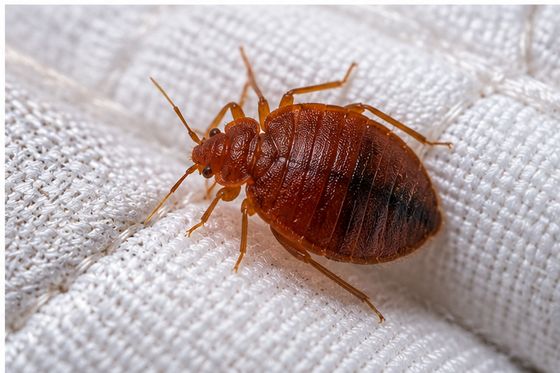
Bedbugs on Public Transport
How bedbugs travel on trains and buses, and which worries are worth having.
Read more →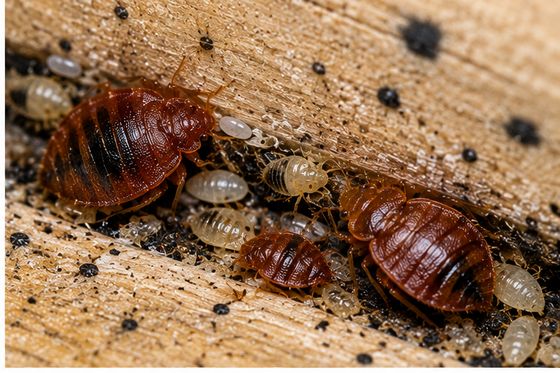
Bedbugs in the Sofa
Where bedbugs hide in a sofa, how it gets treated, and when it is not worth keeping.
Read more →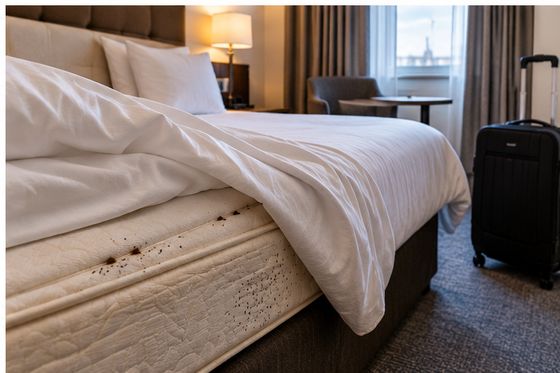
Bedbugs on Clothes, at Work and School
How likely it is to take bedbugs out of the house, and what to do with clothes and bags.
Read more →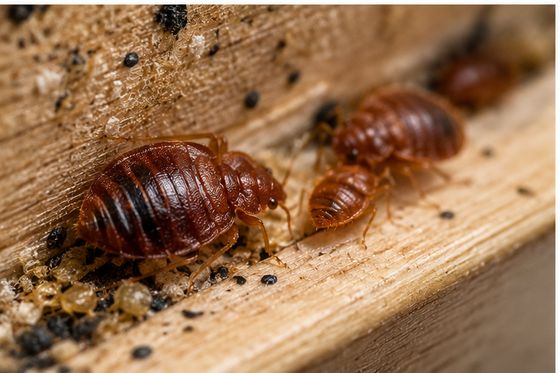
Getting Rid of Infested Furniture
Why most furniture can stay, and how to move out what cannot without scattering bedbugs.
Read more →Bedbug Control Across Barking and Dagenham
Each area page is written around one situation we deal with.
Bedbug Treatments in Barking and Dagenham
Every service has its own page for Barking and Dagenham: heat, chemical, hotels, commercial premises and inspections.
Tell Us About the Property
Tell us what you have seen and where, and we will tell you what it needs.