

Housing Providers, Not Households
This is for housing associations, council housing teams, the managing agents and contractors who act for them, and providers of supported housing. The homes in question range from interwar houses on the Becontree estate to newer blocks with a lift and a bin store. The tenant’s side of the same process is covered in our guide to reporting bedbugs to a council or housing association. This page is the other end of it.
For the full explanation of how we work with businesses and landlords generally, including offices, halls and care homes, see our London commercial treatment page.
The Unit That Reported It
The first visit establishes what is there and how far it has got inside that home. We look at every room where someone sleeps, including a sofa that has turned into a bed, and before we leave we tell you which rooms need treating. Inspections start from £120.
The route then follows the home. A house with several bedrooms affected often suits heat, as our heat treatment page sets out for that kind of house. A contained problem in one room of a flat often suits chemical, as the chemical treatment page describes. We tell you which we recommend, why, and the figure, before any work is booked.
The Units Around It
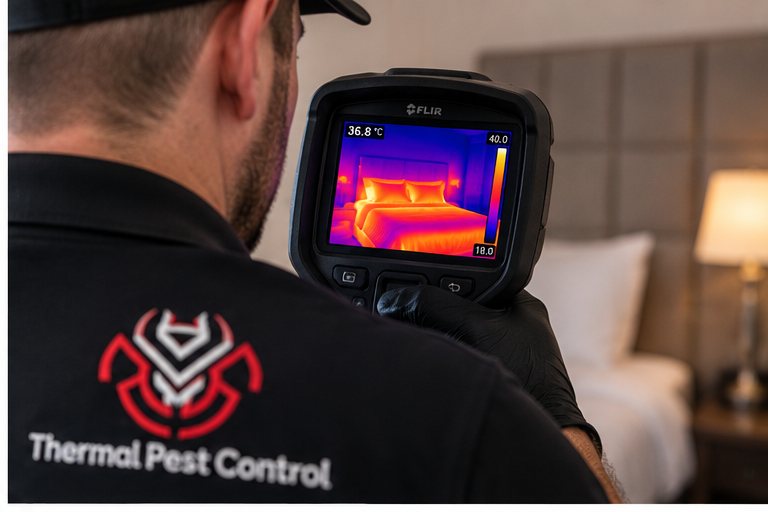
Treating one flat and leaving its neighbours unchecked is how a provider ends up paying for the same flat twice. Which neighbours matter depends on the building:
- In a house, the homes either side through the party wall. The Becontree page covers the signs that next door is involved.
- In a block, the flats either side on the same floor, and those directly above and below, especially where risers or boxed-in pipes connect them.
- In shared or supported housing, every room off the same corridor or landing, and any shared lounge where residents sit for long spells.
Each neighbouring unit gets an inspection, which tells you whether it needs treating or can be left alone. Where more than one home is affected, treating them in the same week gives the best chance of clearing it; a gap of a month between them lets bedbugs move back.
Getting into the neighbouring homes is often the harder half. That part sits with you: letters, access dates, and keys where you hold them. We work to the dates you agree with residents.
Supported Housing and Residents Who Need Help
Normal preparation assumes the resident can strip and hot-wash the bedding, clear the floors and, for heat, take out the heat-sensitive items and get pets out for the day. In supported housing that is not always realistic. A resident may have limited mobility, may find strangers in their room upsetting, or may not be able to follow a written list.
- Tell us before the visit about anyone who will need help, so the time is planned in.
- Give the resident’s support worker the date and, where it helps, have them there.
- Agree who prepares the room if the resident cannot, and who checks it is ready before we arrive.
- Keep the resident sleeping in their own room if at all possible. Moving them to another room in the scheme is one of the easiest ways to spread bedbugs.
Medication is on the list of things that come out of a room before heat treatment, so where staff manage a resident’s medication, build that into the plan.
The Records a Provider Asks For
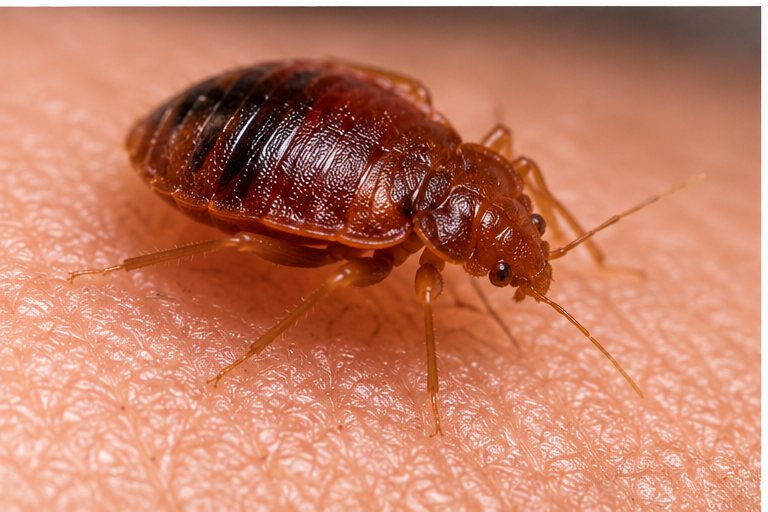
A housing provider usually needs a clear trail, for the tenant’s file or in case the same home comes up again. After each visit we tell you in writing:
- The unit, the date, and who let us in.
- What we found and where: which rooms, and which beds or furniture.
- Heat or chemical, and which rooms were treated.
- What preparation had been done, and anything that was not ready.
- Which neighbouring units were checked, and what was found in each.
- The next step: the date of the next chemical visit, or a follow-up check.
We record what we saw. We do not give a view on who is responsible under a tenancy, and we are pest controllers, not legal advisers. If access was refused or a room was not prepared, that goes in the record as a plain fact.
How the Work Is Priced
Work for housing providers is quoted on the units and rooms involved and on the route in each. Treatments start from £220 and inspections from £120; heat costs more than chemical. You get the figures before anything is booked, unit by unit, so you can see what each part costs. Ring 0800 955 1018 to talk it through. If the report came from a guest house or a room let by the night rather than a tenancy, the hotel page is the one to read.
← Bedbug Control Barking and Dagenham · Commercial Bedbug Treatment London, in full
Commercial Bedbug Treatment Barking and Dagenham — Questions
A tenant has reported bedbugs. Do the neighbouring flats need treating too?
They need checking, not necessarily treating. An inspection of each neighbouring unit shows whether it needs treatment, and any that do are best done in the same week.
Can you work with a resident who cannot do the preparation?
Yes, if it is planned. Tell us beforehand who will need help and agree with their support staff who does the preparation. We tell you on the phone what has to be done.
What do you put in writing after a visit?
The unit, the date, what we found, what we treated and how, the preparation done, the neighbours checked, and the next step. We describe what we saw and do not assign responsibility.
What happens if a resident refuses access?
We cannot treat a home we cannot get into. Tell us as early as you can so the date can move, and the record will show that the visit did not go ahead.
Is heat or chemical better across a block?
It is decided home by home. One room in a flat may suit chemical; several bedrooms in a house often suit heat. After heat in a block, a light residual at the edges helps against anything coming from next door.
How are several units priced?
Each unit is quoted on its rooms and route. Treatments start from £220 and inspections from £120, and you have the figures before anything is booked.
Bedbug Treatments in Barking and Dagenham
Every service has its own page for Barking and Dagenham: heat, chemical, hotels, commercial premises and inspections.
Commercial Advice
The guides that go into commercial bedbug treatment in more depth.
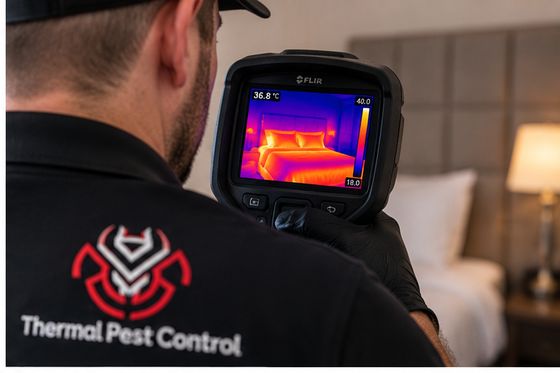
Bedbugs in the Workplace
The source is almost always somebody's home. Handling that without humiliating anyone is the real job.
Read more →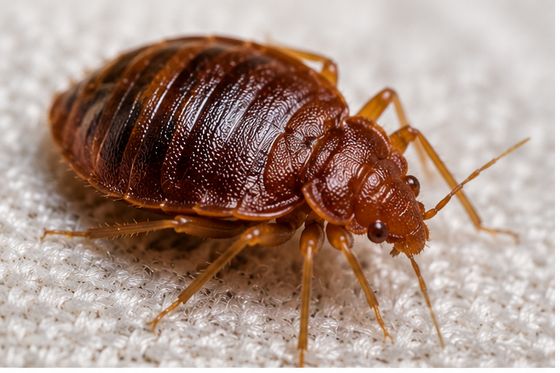
HMOs and Serviced Apartments
Getting into every unit at once is the hard half of block work. How it is actually scheduled.
Read more →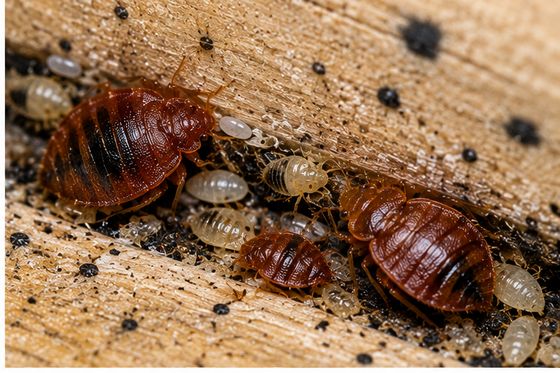
Student Accommodation and Halls
The academic calendar is a pest calendar. Build the inspection programme around it.
Read more →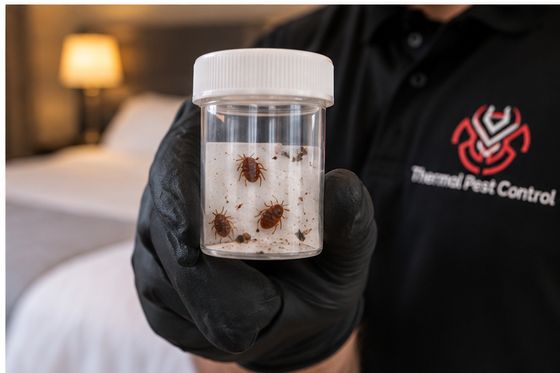
Bedbug Treatment for Care Homes
Treating around a resident who cannot easily move, and why heat is often the wrong answer.
Read more →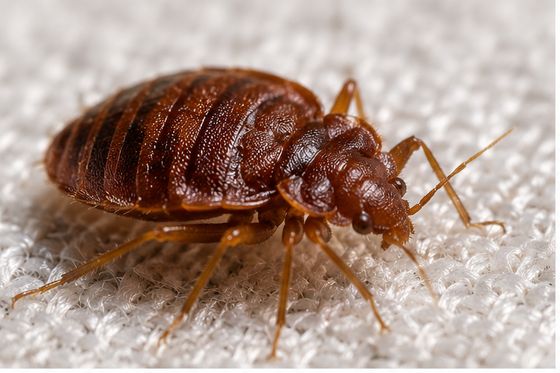
Can Bedbugs Spread Through an Office?
What an office 'infestation' turns out to be when somebody actually investigates it.
Read more →Bedbug Control Across Barking and Dagenham
Each area page is written around one situation we deal with.
Tell Us About the Property
Tell us the address, how the building is laid out and which home reported it, and we will call you back to plan that unit and the ones around it.