

What the Course Looks Like in a Flat
In the newer blocks at Barking Riverside and along the river, a typical home is one or two bedrooms, an open-plan living room and kitchen, and not much spare storage. Chemical treatment suits a flat like that when the problem is found early and confined to the bedroom.
Expect two visits, sometimes three, about ten to fourteen days apart. Each takes one to two hours, and you can go back into the treated rooms once they are dry. The gap is there because the eggs are not reliably killed on the first visit and have to hatch onto the residue. For the full explanation of how the treatment works, see our London chemical treatment page. Here we deal with the practical side of living through it.
Getting a Small Flat Ready
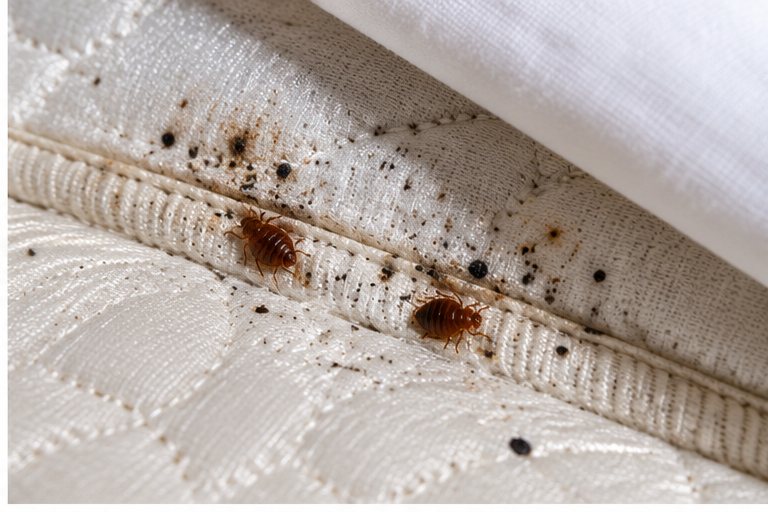
The preparation is the same as anywhere, but a flat with little storage makes it harder. Before the first visit:
- Strip the bed and wash the bedding on a hot wash, then dry it hot if you can. Keep the clean bedding sealed in a bag until the treated room is dry.
- Clear the bedroom floor, including under the bed. Bag what you move and keep the bags in the bedroom rather than carrying them into the living area.
- Empty the bedside drawers into sealed bags too, so we can treat the runners and the backs of the drawers.
- Do not use the balcony as a store. Bags left outside get opened and rummaged through later, usually in the living room.
- Anything you have decided to get rid of should not go straight to the bin store. Our guide to getting rid of furniture without spreading bedbugs explains how to do it.
The Weeks Between Visits
Carry on sleeping in your own bed. In an open-plan flat the sofa is only a few steps away, and it is tempting to move onto it for a night or two. Do not: the bedbugs follow you, and the sofa has none of the residue the bed frame now has.
Hoover the floors as normal, but leave the skirtings and the bed frame unwiped, because that is where the product is doing its job. Shop-bought sprays stay in the cupboard. If you work from home, that is fine; the treated room is usable once dry, and we will tell you on the day anything particular to your flat. Follow the instructions you are given at each visit.
It helps to jot down anything you see between visits: a bite, a mark on the sheet, a live bug caught on tape. It tells us where to look first when we come back.
What the Building Manager Needs to Know
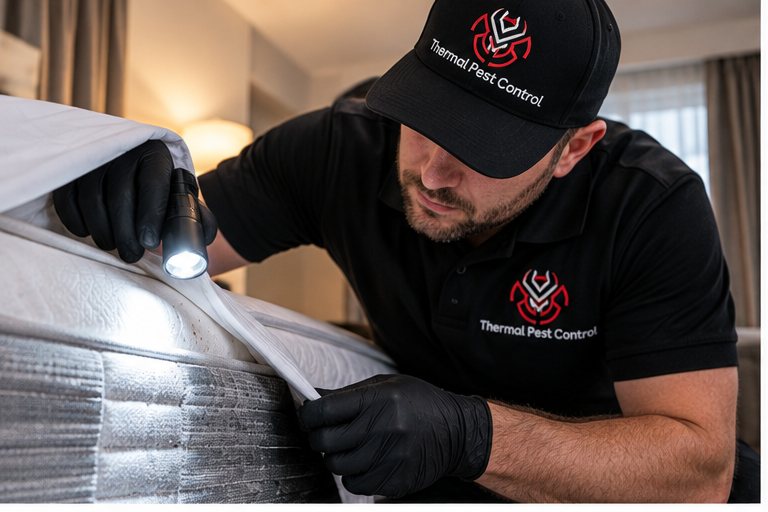
A block like those at Barking Riverside will normally have a managing agent or building manager looking after the shared parts. They will not usually treat inside your flat, but a course of visits goes more smoothly if they know about it. Tell them in writing, and include:
- That the flat is being treated, and with which route. Chemical treatment stays inside the flat and does not involve the building’s fire detection. Heat treatment does need that planned with them.
- The dates of each visit. Useful if parking, the loading area or a lift needs booking, and so they are not surprised to see us in the corridor.
- How we get in if you are out. That is for you to arrange; we do not collect keys or fobs from anyone other than you without your say-so.
- Anything that suggests spread. Bites in a flat next door, or bugs near a shared wall or riser, are for them to look into in the common parts.
If you rent, report it to your landlord in writing as well; who arranges and pays depends on the lease or tenancy and on the cause. The part the managing agent plays when more than one flat is involved is covered on the Barking Riverside page.
If It Is Not Settling Down
Most courses finish at the second visit. If we still find signs of activity then, a third visit follows on the same timing. What we look at before deciding is where the activity is: still in the bed means eggs that have hatched on schedule; new signs in the living area or along a shared wall mean something different.
If it has spread into a second room, or it keeps arriving from outside the flat, we will say so plainly and talk through whether heat is the better route for what is left. The borough page sets both options side by side.
← Bedbug Control Barking and Dagenham · Bedbug Chemical Treatment London, in full
Bedbug Chemical Treatment Barking and Dagenham — Questions
Do I have to leave the flat while you treat it?
Only the rooms being treated, and only until they are dry. Each visit is one to two hours. We will tell you on the day when you can go back in.
Can I keep working from home during the course?
Yes. Between visits the flat is yours to use as normal. Keep sleeping in the treated bed and leave the treated edges unwiped.
Do I really need to tell the building manager?
It is worth it. They can plan for access on visit days and check the shared parts if there are signs of spread. Put it in writing.
Will a chemical treatment set off the fire alarms?
No. It is applied by hand to seams, frames and skirtings, with nothing that affects the detectors. Heat is the route that needs alarms planned for.
What if I am away when the second visit is due?
Tell us as soon as you know. The timing of the second visit matters because it has to catch the eggs after they hatch, so we would rather move it a little than skip it.
How much does chemical treatment cost for a flat?
Treatments start from £220. Chemical costs less than heat, and the final figure depends on how many rooms are involved. We give it on the phone before anything is booked.
Bedbug Treatments in Barking and Dagenham
Every service has its own page for Barking and Dagenham: heat, chemical, hotels, commercial premises and inspections.
Chemical Treatment Advice
The guides that go into bedbug chemical treatment in more depth.
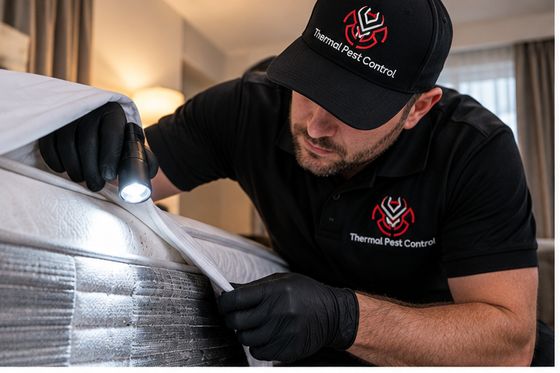
How Professional Chemical Treatment Works
What is actually in a professional treatment, and why it is not the tin from the hardware shop.
Read more →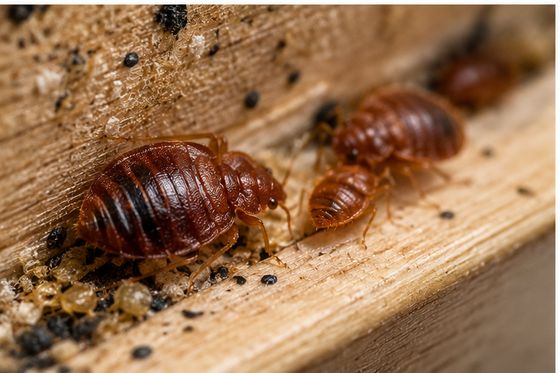
How Many Treatments Does It Take?
The bedbug life cycle sets the number, not the pest controller. Here is the timetable.
Read more →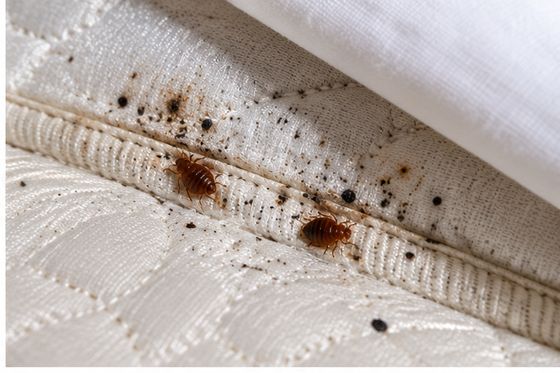
What Happens After the Treatment
Day one to week six, what you will actually see, and when to stop worrying.
Read more →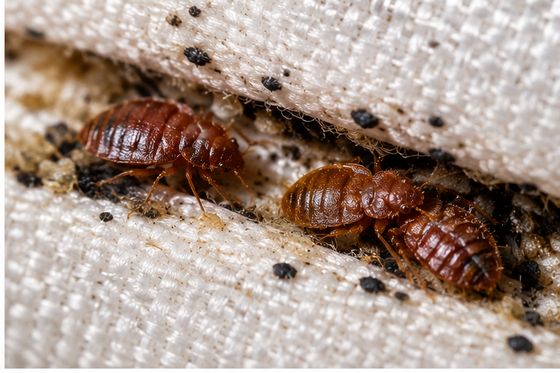
Why Bedbugs Reappear After Treatment
Hatching, survival or re-introduction. Three different problems that look identical.
Read more →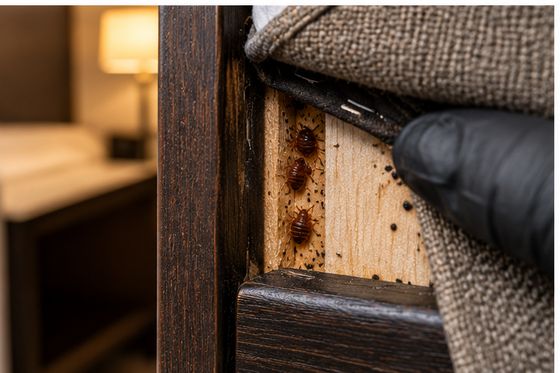
Where Pest Controllers Actually Treat
Why bedbugs choose the places they do, and the places we deliberately leave alone.
Read more →Bedbug Control Across Barking and Dagenham
Each area page is written around one situation we deal with.
Tell Us About the Property
Tell us about your flat and whether you own or rent it, and we will call you back to talk through the course of visits.