
- Who Ends Up With Them in the Sofa
- Where They Hide in Upholstery
- How a Sofa Is Treated
- Treat It or Throw It Out?
- After Treatment
People are often surprised to find bedbugs in the living room while the bed upstairs looks clean. It makes sense once you know what bedbugs are after: a person who stays still for hours at a time. Someone who falls asleep in front of the television every night, a sofa bed used by a visitor, or a family member who has been sleeping downstairs gives them exactly that.
Who Ends Up With Them in the Sofa
- Anyone who regularly falls asleep on the sofa in the evening.
- Households where someone sleeps on the sofa or a sofa bed full time.
- People who moved to the sofa to get away from bites in the bedroom, and brought the bedbugs with them.
- Homes with a second-hand sofa that came in with them already inside.
The third group is worth a word. Leaving the bed feels like the obvious thing to do, but it usually spreads the problem to a second room rather than escaping it.
Where They Hide in Upholstery
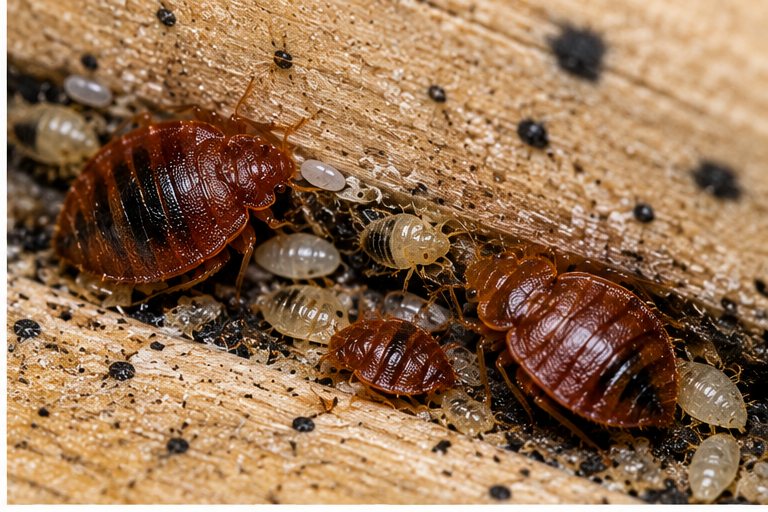
A sofa has far more hiding places than a mattress, and most of them are out of sight.
- Under the sofa, in the thin dust cover stapled across the base, and along the staples themselves.
- In the seams and piping of the cushions and the arms.
- Inside cushion zips and the folds of removable covers.
- In the frame joints where the timber meets, and in screw and bolt holes.
- In the mechanism of recliners and sofa beds, which is full of gaps.
- Down the back, where the seat meets the backrest.
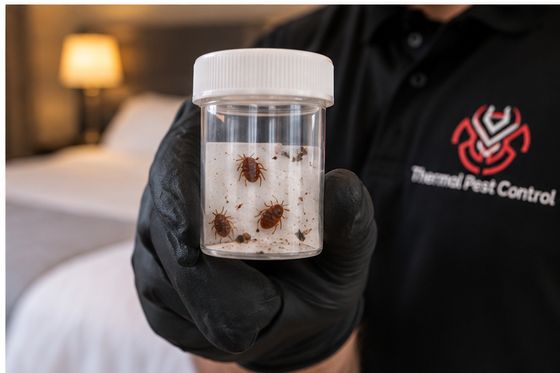
Look for the same signs you would on a bed: small dark spots along seams, pale shed skins, and the insects themselves. Turning the sofa over and looking at the dust cover with a torch is often the quickest check.
How a Sofa Is Treated
With chemical treatment, a residual product goes into the seams, the frame and the underside, the same way it would on a bed frame. Cushion covers that come off and can be washed go through a hot wash. As with any chemical treatment, a second visit ten to fourteen days later catches whatever has hatched, and you can use the sofa again once it is dry.
With heat treatment, the sofa is treated as part of the room. The fans move hot air around and under it, and the thermal camera shows whether the heat has reached the inside of the cushions and the frame. Heat deals with eggs as well, which helps with a sofa, because some of its hiding places are very hard to reach with a spray.
If the bed is involved too, both rooms need doing. Treating the sofa and leaving the bedroom, or the other way round, lets them move back.
Treat It or Throw It Out?
Most sofas can be treated and kept. Throwing one out before treatment is usually a mistake: carrying it through the house shakes bedbugs onto the carpet and the stairs, and the ones left behind simply move to the next place someone sits.
There are times when getting rid of it makes sense: the fabric is badly torn, the frame is broken, or the infestation is so heavy that treating it would cost more than the sofa is worth to you. If that is where you end up, have it treated first if you can, then read getting rid of furniture without spreading them before it leaves the room.
After Treatment
Go back to using the sofa as normal once we say so. Using it is part of how the treatment works, because it draws any survivors out onto treated surfaces. Hoover along the seams and underneath from time to time, and if you see anything after the final visit, tell us. The weeks after treatment are covered in more detail in their own guide.
← Bedbug Control Barking and Dagenham · Bedbug Control London
Related Questions
Can I just put a cover over the sofa?
A cover can stop you seeing them, but it does not stop them feeding. Sofas are too irregular to seal properly the way a mattress encasement does.
Is a leather sofa any better?
The surface gives them less to hold on to, but the frame, the underside and the seams are the same. A leather sofa still needs treating if they are in it.
Should I stop sleeping on the sofa?
Not until it is treated. If you move again, they usually follow. Once treatment is done, sleeping back in the bedroom is fine if the bedroom has been treated too.
How much does it cost to treat a sofa?
It is part of treating the room it is in. Treatments start at £220, and the final price depends on the number of rooms and on heat or chemical.
More Bedbug Advice for Barking and Dagenham
Written up in full for people in the borough, and worth reading before the treatment day.
Reporting Bedbugs to Your Landlord
What to write, what to keep, and what a social landlord usually does once the report goes in.
Read more →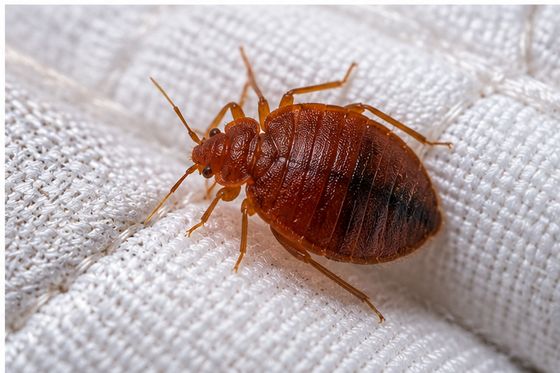
Bedbugs on Public Transport
How bedbugs travel on trains and buses, and which worries are worth having.
Read more →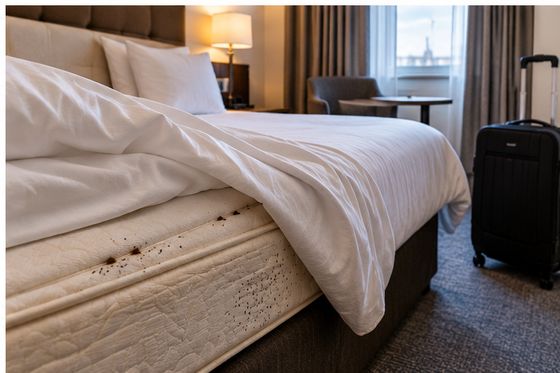
Bedbugs on Clothes, at Work and School
How likely it is to take bedbugs out of the house, and what to do with clothes and bags.
Read more →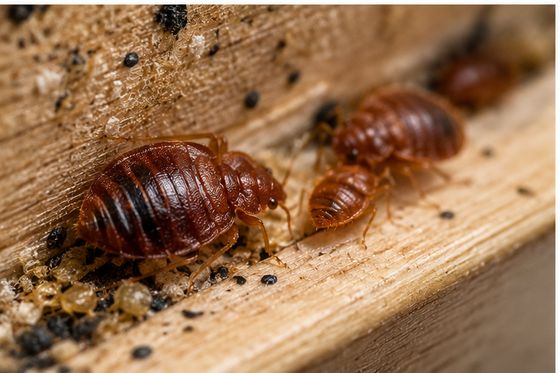
Getting Rid of Infested Furniture
Why most furniture can stay, and how to move out what cannot without scattering bedbugs.
Read more →Bedbug Control Across Barking and Dagenham
Each area page is written around one situation we deal with.
Bedbug Treatments in Barking and Dagenham
Every service has its own page for Barking and Dagenham: heat, chemical, hotels, commercial premises and inspections.
Tell Us About the Property
Tell us what you have seen and where, and we will tell you what it needs.