

How an Infestation Goes Unnoticed
Bedbugs are small, they feed at night, and they spend the day tucked into joints and seams. Some people react to bites with itchy welts; others do not react at all. In a household where the person being bitten has no reaction, months can go by with nothing to see.
The early marks are also easy to misread. Dark spotting on a seam looks like mould or a spill. A shed skin in a corner looks like a flake of something. None of it seems urgent until the numbers are high enough that bugs start showing up in daylight.
What an Established Problem Looks Like
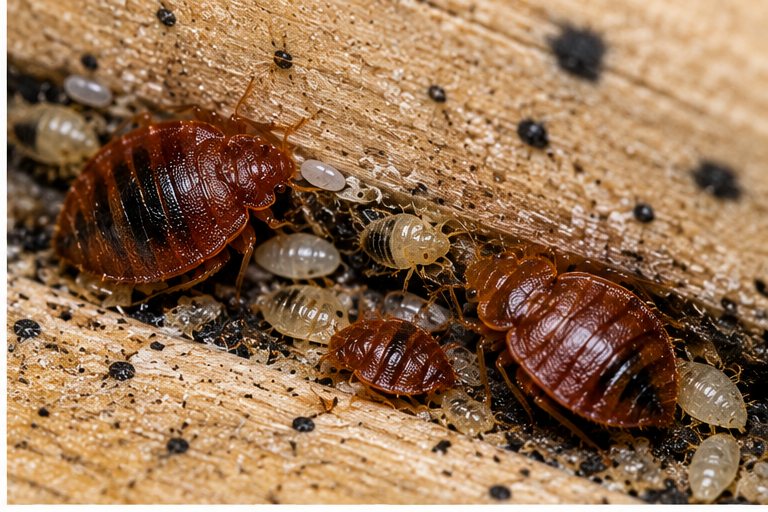
A young infestation is usually confined to the bed: a few adults along one seam, some spotting in the frame joint. After several months the picture is different.
- Clusters of adults, young bugs and pale eggs together, rather than the odd single bug.
- Heavy spotting on the mattress, the base, the headboard and the wall behind it.
- Signs away from the bed: skirting boards, the edges of carpet, picture frames, plug sockets, curtain tops and the sofa.
- A second bedroom affected, because somebody moved rooms to get away from the bites.
- A faint, sweetish smell in the room, which only comes with larger numbers.
If that sounds like your home, it is worth knowing that none of it means the furniture is ruined. It means the treatment has to reach further than the bed.
Why It Changes the Plan
With a small problem in one room, a chemical treatment is often the sensible choice. It costs less and works well if you are happy to have us back. With a long-running problem the arithmetic shifts, for three reasons.
- More eggs. An established population has eggs laid in every hiding place. Chemical does not reliably kill eggs, so each follow-up visit is dealing with a fresh hatch, and three visits becomes more likely than two.
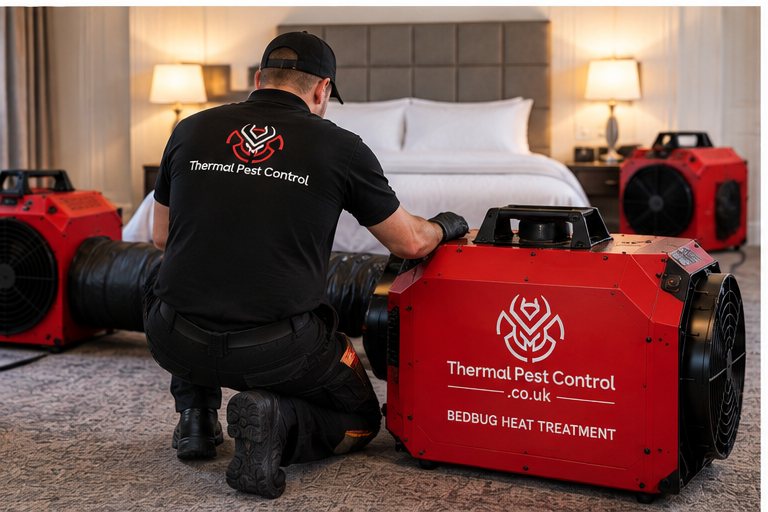
- More places. Bugs spread out from the bed as numbers rise. Heat treats the whole room at once, including gaps nobody can see into, which is why it suits a problem that has moved into the skirting and furniture.
- More rooms. If two rooms are affected, both need treating together. Doing one and leaving the other just gives them somewhere to go.
Heat usually finishes it in one visit, with a light residual at the edges if the spread warrants it. It costs more than chemical, and the figure depends on the number of rooms. Treatments start at £220 and we give you the actual price on the phone. The heat treatment page covers the day itself.
What to Do While You Wait
Resist the urge to fight it yourself with shop sprays and foggers. Those tend to push bugs deeper into walls and into the next room, which makes the professional job bigger. Do not throw out the mattress unless we advise it: dragging it through the house scatters them, and a new one gets reinfested from the frame.
Keep sleeping where you normally sleep. Hot-wash bedding and bag it. If clothes and school bags are a worry, our guide on bedbugs on clothes going to work and school sets out what is and is not worth doing.
For bites, a pharmacist or GP can help with a skin reaction. Call 999 if anyone shows signs of a severe allergic reaction.
← Bedbug Control Barking and Dagenham · Bedbug Control London
Bedbug Control Dagenham — Questions
How do I know if my infestation is established?
Signs away from the bed, clusters with eggs, and more than one room affected are the usual markers. If you are unsure, an inspection from £120 will tell you how far it has gone.
Is chemical treatment still an option for a big problem?
It can be, but expect three visits rather than two and a longer time before it is finished. Heat is usually the better fit once it has spread through a room.
Will I need to replace my furniture?
Rarely. Most beds, sofas and wardrobes can be treated where they stand. We will tell you if something is not worth keeping, and our guide on getting rid of furniture explains how to do it without spreading them.
Why do bedbugs sometimes come back after treatment?
Usually because a room or a hiding place was missed, or eggs hatched after a chemical visit with no follow-up. The guide on why bedbugs reappear covers it in full.
How much will an established infestation cost to treat?
It depends on how many rooms are involved and whether you choose heat or chemical. Treatments start at £220 and the figure is agreed on the phone before anything is booked.
Elsewhere in Barking and Dagenham
The other areas in the borough, each written around a different situation.
Bedbug Advice for Dagenham
Picked for this page: the guides that go further on what matters for Dagenham.
The Early Signs, and the Timeline
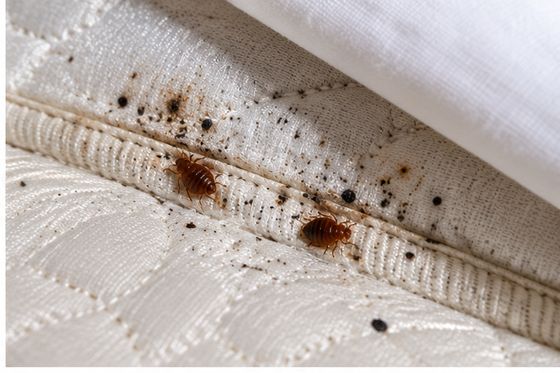
Week one to month six. What is detectable when, and why 'early' is mostly invisible.
Read more →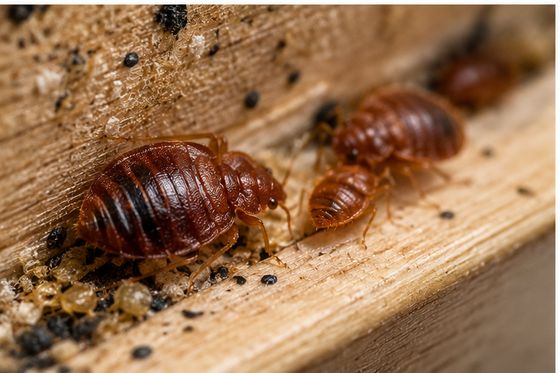
The Places That Get Missed
Beyond the bed and the two-metre radius: the harbourages that survive a mediocre inspection.
Read more →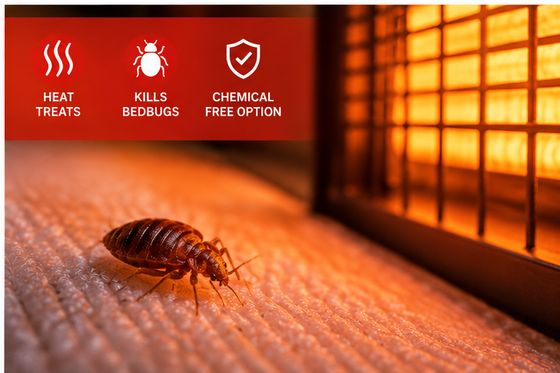
Heat or Chemical: How to Choose
Five questions to ask yourself. Answer them honestly and the right treatment picks itself.
Read more →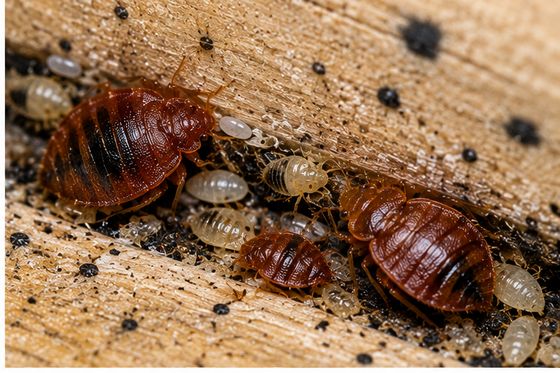
Bedbugs in the Sofa
Where bedbugs hide in a sofa, how it gets treated, and when it is not worth keeping.
Read more →Bedbug Treatments in Barking and Dagenham
Every service has its own page for Barking and Dagenham: heat, chemical, hotels, commercial premises and inspections.
Covering Dagenham
Tell Us About the Property
If it has been going on a while, say how many rooms show signs and we will price it properly for your home in Barking and Dagenham.