
- Why Fabrics Get Involved
- What Can Go in the Wash
- What Gets Treated Rather Than Washed
- What Should Come Down First
- Tracks, Poles and Pelmets
- Should Any of It Be Thrown Away?
A bedroom is full of fabric besides the bed: curtains, a throw on a chair, cushions, a padded headboard, a stool with a fabric top. In a lounge where someone naps or sleeps, the sofa and armchairs join the list. Bedbugs can use any of them as a hiding place, especially where there are folds, seams and piping.
Why Fabrics Get Involved
Bedbugs want somewhere dark and tight within a short walk of a sleeper. The mattress and frame come first. As the problem grows, or when someone sleeps in a chair or on a sofa, the next nearest fabric becomes the next hiding place. Curtains that touch the bed, a heavy throw draped over the footboard and cushions piled on the bed are all within easy reach.
Finding them in curtains usually means the problem has moved beyond the bed. It is worth checking the rest of the room carefully; our guide on whether bedbugs come out in daylight explains what sightings away from the bed suggest.
What Can Go in the Wash
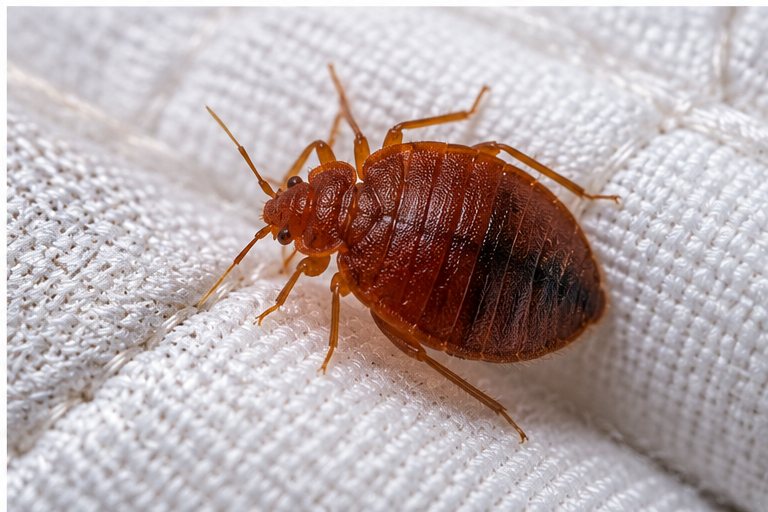
Heat is what kills bedbugs and their eggs in fabric, so anything that can take a hot wash or a hot tumble dry can be dealt with at home:
- Bedding, throws and blankets: the hottest wash the label allows, then a hot dry.
- Cushion covers: take them off, wash them hot, and bag the inner pads for us to look at.
- Washable curtains and nets: take them down carefully, bag them in the room, and wash on the hottest safe setting.
- Soft toys and small fabric items: a hot tumble dry if they cannot be washed.
- Dry-clean only items: bag and seal them in the room, and tell the cleaner what the problem is.
Bag everything before it leaves the room, and carry the bag straight to the machine. Loose fabric carried along the landing drops what is in it on the way. Empty the machine into a clean bag, not back into the room, until treatment is done.
What Gets Treated Rather Than Washed
Some things cannot go in a machine: an upholstered armchair, a padded headboard, a sofa, a fabric ottoman. These are treated where they stand.
With chemical treatment, the residual goes into the seams, piping, joints and the frame underneath, the places where bedbugs actually shelter, rather than across the open fabric. Because it does not reliably kill eggs, it is usually two visits and sometimes three. With heat, the whole room is raised to a temperature bedbugs cannot survive, so the chair, sofa and headboard are heated right through along with everything else, and the thermal camera checks the deep parts of the upholstery for cold spots. The heat and chemical pages for Barnet explain each route in a family home.
What Should Come Down First
Before a chemical visit, take down washable curtains near the bed and put them through a hot wash, so the window, the track and the wall behind can be reached. Clear cushions and throws off beds and chairs and wash them too.
For heat, the fabrics in the room are heated along with the room, so curtains can often stay up. We tell you before the day what should stay and what should come out, and the London guide on preparing for heat treatment covers the rest of the list. Follow the instructions you are given.
Tracks, Poles and Pelmets
The curtain itself is only half of it. Bedbugs also hide in the hardware: the runners in a curtain track, the hollow end of a pole, the gap behind a fabric pelmet, and the pleats and hooks along the top of the curtain. When you take curtains down to wash, look along the heading tape and the hooks, and tell us if you find anything on the track. It gets treated with the rest of the room.
Should Any of It Be Thrown Away?
Rarely. Most soft furnishings can be washed or treated. We will tell you if something is badly damaged or so heavily infested that replacing it makes more sense. If it is going, wrap it in plastic in the room, as the guide to buying a new mattress after bedbugs explains for mattresses, and carry it straight out. Treatments start at £220.
Related Questions
Can bedbugs live in curtains?
Yes, in the folds, pleats and heading tape, especially curtains close to the bed. They usually mean the problem has spread beyond the mattress and frame.
Will a hot wash kill bedbugs in curtains?
A hot wash on the hottest setting the fabric allows, followed by a hot tumble dry where the label permits, deals with bugs and eggs in washable curtains.
Do I need to throw away my sofa?
Usually not. Sofas and armchairs can be treated where they stand. We will say if one is too damaged to be worth it.
Should I steam-clean upholstery myself?
We would not rely on it. A domestic steamer may not get deep enough into the stuffing and seams, and it can push bugs further in. Leave it for treatment.
More Bedbug Advice for Barnet
Written up in full for people in the borough, and worth reading before the treatment day.
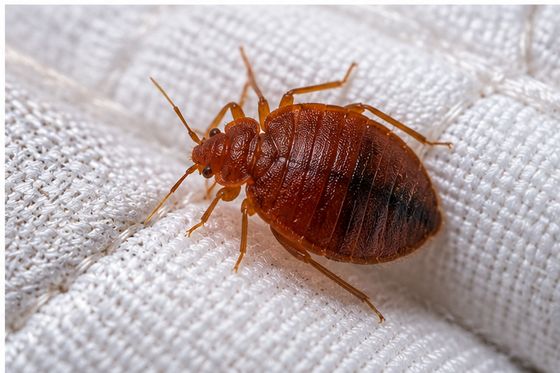
Do Bedbugs Come Out in Daylight?
When they feed and move, and why a bug on the wall at lunchtime is worth a phone call.
Read more →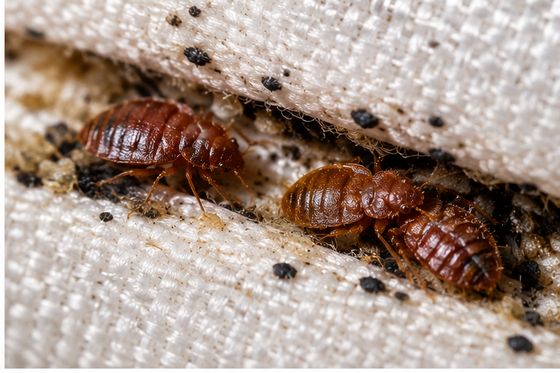
What Do Bedbug Eggs Look Like?
Size, colour, where they are laid, what an empty shell looks like, and why eggs shape treatment.
Read more →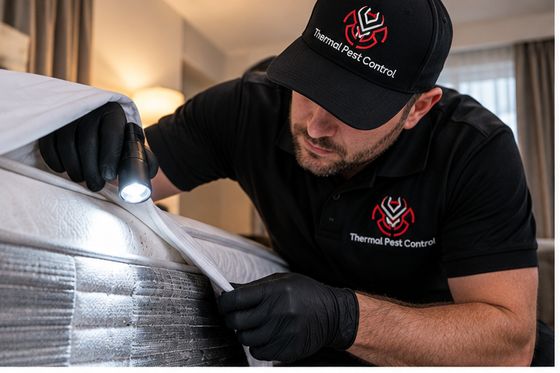
Buying a New Mattress After Bedbugs
When a replacement is worth it, why it waits until after treatment, and how to protect it.
Read more →
Does Home Insurance Cover Bedbugs?
What to look for in your policy, what to ask the insurer, and the paperwork worth keeping.
Read more →Bedbug Control Across Barnet
Each area page is written around one situation we deal with.
Bedbug Treatments in Barnet
Every service has its own page for Barnet: heat, chemical, hotels, commercial premises and inspections.
Tell Us About the Property
Tell us what you have seen and where, and we will tell you what it needs.