
- When Bedbugs Are Active
- Why Seeing One in Daylight Means Something
- What It Tells You About the Size of the Problem
- What to Do When You See One
- How It Affects the Choice of Treatment
Most people who have bedbugs never see one. They find bites, or small dark marks on a sheet, and only find the insects when they strip the bed and look along the seams. So when someone rings to say they saw one walking up the wall in the afternoon, the question is what that sighting means.
When Bedbugs Are Active
A bedbug’s day revolves around one meal. It hides in a crack close to the bed, comes out when a sleeping person is still and breathing steadily, feeds for a short while, and goes back into hiding to digest. That usually happens in the small hours, which is why bites tend to be found in the morning.
The pull is the sleeper, not the darkness itself. A bedbug is drawn by warmth and the breath of someone lying still. Darkness simply keeps it out of sight while it travels. So a person who sleeps by day, after a night shift, can be bitten in the daytime just as easily.
Why Seeing One in Daylight Means Something
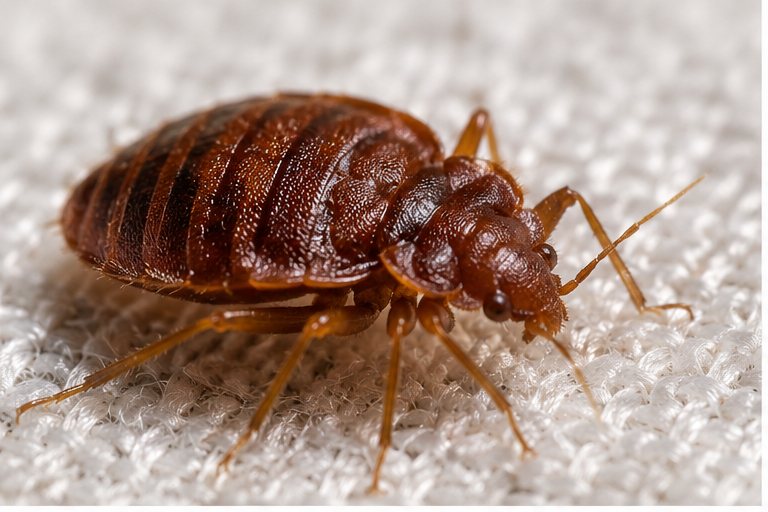
A healthy, small population stays tucked away while the lights are on. Bugs that show themselves in daylight are usually doing so for one of a few reasons, and all of them are worth knowing about:
- The good hiding places are full. As numbers grow, later arrivals end up in poorer spots further from the bed, and some get caught out in the open.
- They are hungry. A bug that has not fed for a while, perhaps because the bed has been empty, will take chances it would not normally take.
- They have been disturbed. Moving furniture, stripping a bed or using a shop spray can flush them out of their cracks during the day.
- They are on the move. A bug crossing a wall or a ceiling is often heading somewhere new, which can mean the problem is spreading.
None of these is a comfortable finding, but none of them is a reason to panic. They are a reason to act this week rather than next month.
What It Tells You About the Size of the Problem
One bug seen once, in a bedroom where you have also found bites, is not proof of a large problem. It may simply have been disturbed. Several seen on different days, or bugs turning up in rooms nobody sleeps in, points to numbers that have grown past the bed and into the room around it.
The best way to judge is to look where they actually live. Check the mattress seams and piping, the joints of the bed frame, the back of the headboard and the edge of the carpet behind the bed. Our London guide to where bedbugs hide that gets missed lists the places people skip. If you find clusters, shed skins and heavy spotting there, the daytime sighting fits a well-established problem.
What to Do When You See One
- Catch it. A piece of clear sticky tape or a small jar with a lid is enough, and it lets us confirm what it is.
- Note where and when you saw it: which room, which wall, what time.
- Look along the seams of the nearest bed and the frame joints.
- Do not spray it with anything from a shop; that scatters the rest.
- Keep sleeping in your usual bed, so the ones still hidden stay put.
- Ring 0800 955 1018 and tell us what you found.
If you are not certain it is a bedbug at all, since beetles and booklice are often mistaken for them, a Barnet inspection from £120 settles it before you pay for treatment.
How It Affects the Choice of Treatment
A daytime sighting often means the bugs have spread beyond the bed. That matters for treatment. Heat brings the whole room to a temperature bedbugs cannot survive, so bugs sitting in odd places such as curtain folds or picture frames are dealt with along with the ones in the bed; the heat treatment page for the borough covers the day. Chemical treatment puts a residual where they hide and relies on them walking across it, over a course of visits; see the chemical treatment page. Treatments start at £220, and we price on the rooms involved.
Related Questions
I saw one bedbug in the day but have no bites. Should I worry?
Not everyone reacts to bites, so no bites does not rule it out. Check the bed seams and frame, catch the bug if you can, and ring us to confirm what it is.
Will leaving the lights on at night stop them biting?
No. They are drawn by the sleeper, and light alone does not keep them away. It just costs you sleep.
Do bedbugs come out in the day if nobody is home?
Hungry ones may wander further when no one is sleeping in the bed, including in the day. An empty bed tends to make them move, not die off.
Is a daytime sighting a sign it is getting worse?
It can be. Several sightings, or bugs away from the bed, usually mean the numbers have grown, which is a reason to get it treated soon.
More Bedbug Advice for Barnet
Written up in full for people in the borough, and worth reading before the treatment day.
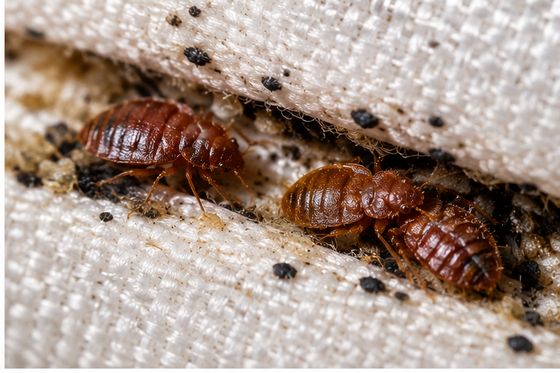
What Do Bedbug Eggs Look Like?
Size, colour, where they are laid, what an empty shell looks like, and why eggs shape treatment.
Read more →
Buying a New Mattress After Bedbugs
When a replacement is worth it, why it waits until after treatment, and how to protect it.
Read more →
Does Home Insurance Cover Bedbugs?
What to look for in your policy, what to ask the insurer, and the paperwork worth keeping.
Read more →
Bedbugs in Curtains and Soft Furnishings
Curtains, cushions, throws and chairs: what goes in the wash, what is treated, what comes down.
Read more →Bedbug Control Across Barnet
Each area page is written around one situation we deal with.
Bedbug Treatments in Barnet
Every service has its own page for Barnet: heat, chemical, hotels, commercial premises and inspections.
Tell Us About the Property
Tell us what you have seen and where, and we will tell you what it needs.