

Why Chemical Often Suits a Flat in a Block
A one- or two-bedroom flat caught before the bugs have moved into the living room is the kind of job the chemical route handles well. Each visit is one to two hours, and you can go back into a room once the treated surfaces are dry, so there is no day spent away from a home you may have nowhere else to go from. The residual left along skirtings, frames and seams keeps working after the technician goes, and in a block that matters: it sits exactly where your flat meets the next one.
What the insecticide does and why it takes more than one visit is set out on the London chemical treatment page for the full explanation. If the bugs are already in the sofa and both bedrooms, a single heat visit in Barnet may be the better call, and we will say so when you ring.
The Neighbours on Your Landing
Nobody enjoys knocking next door about bedbugs. It is still worth doing, for a practical reason: if the flat that shares your wall has them too, treating yours alone just moves them to and fro. You do not need to tell the whole block. A quiet word with the flats that share your walls, floor and ceiling is enough to start with.
- Ask whether they have noticed bites or marks on their bedding. Many people do not react to bites, so ‘no’ is not the end of it.
- If they are willing, have their flat looked at before your first visit, so both flats can be treated on the same timetable rather than weeks apart.
- If they are not willing, tell your managing agent or landlord in writing. They can raise it with the other flat in a way you cannot.
The corridors, stairs and bin rooms are a separate question and belong to whoever manages the block; the Finchley page covers the communal parts. For leasehold and shared ownership flats, the Colindale page covers who arranges and pays.
Getting Us Into the Building Each Time
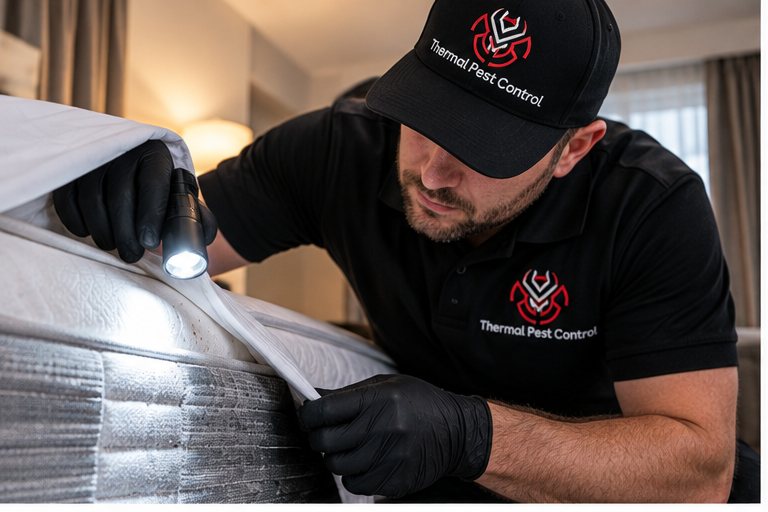
A course of treatment is two visits, sometimes three, and each one needs the technician through the front door of the block as well as yours. Sort out the access once, before the first visit, and it runs smoothly for the rest:
- Tell us how the building is entered: an entry phone, a porter, a key safe or a code.
- If there is a porter or a managing agent, let them know the dates. Say that a contractor is visiting your flat; you do not owe anyone downstairs more detail than that.
- If you cannot be in for a visit, arrange who lets us in and make sure they know the flat has been prepared.
- Book the next visit before the technician leaves, so the gap between visits stays at ten to fourteen days and does not drift.
Living in the Flat Through the Course
In a small flat there is no spare room to decamp to, and that is fine. Keep sleeping in your own bed. You are what draws the bugs out of hiding and across the treated surfaces, and a night on the sofa only gives them a new place to settle.
- Strip and hot-wash the bedding before each visit and clear the floor of the treated rooms. Carry washing to the machine in a sealed bag.
- If your block has a shared laundry room, keep bags sealed until the moment they go in the drum, and take them straight back out.
- Rubbish from the treated rooms goes out tied and bagged, straight to the bins rather than left on the landing.
- Leave the furniture where it is. Dragging a bed frame along a shared corridor is the one sure way to carry bugs past other people’s doors.
The Edges Where Your Flat Meets the Next
Between visits, the skirtings, the gaps round pipes and the edges of the carpet along the party wall are doing the work. Do not vacuum along them, do not wash them down, and do not fill cracks or seal round pipes until the technician says so, because that can trap bugs on the far side of the wall rather than bring them out.
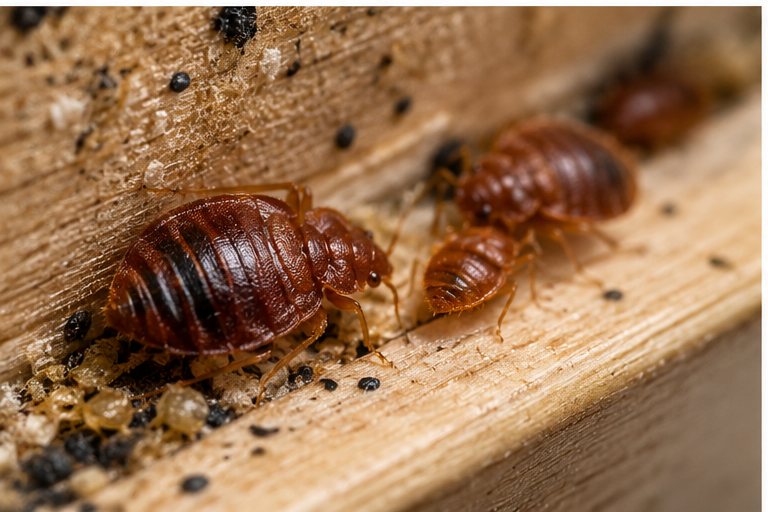
Keep shop sprays and foggers out of the flat entirely. They tend to drive bedbugs into the walls and next door, which is the opposite of what a block needs. Seeing the odd bug in the first fortnight is normal while eggs are still hatching; note where and tell the technician at the second visit. What bedbug eggs look like explains why that second visit is timed the way it is.
What It Costs
Treatments start from £220, and chemical is the lower-cost of the two routes. The figure depends on how many rooms are treated and is given on the phone on 0800 955 1018 before anything is booked. If a neighbour is treated too, each flat is priced on its own rooms. For the broader picture, see bedbug control in Barnet.
← Bedbug Control Barnet · Bedbug Chemical Treatment London, in full
Bedbug Chemical Treatment Barnet — Questions
Do I have to tell my neighbours?
You do not have to, but the treatment works better if the flats that share your walls are checked. A quiet word with them, or a written note to your managing agent, is usually enough.
Can I stay in my flat during the course?
Yes. Keep out of each treated room until the surfaces are dry, which the technician tells you, and then carry on sleeping in your own bed.
What if the flat next door will not be treated?
We can still treat yours, and the residual at the edges helps. Put it in writing to your landlord or managing agent so the other flat can be dealt with properly.
How far apart are the visits?
About ten to fourteen days. Book the second visit before the technician leaves the first, so the gap does not stretch.
Can I seal the gaps round the pipes now?
Not yet. Wait until the technician tells you, because filling gaps during the course can shut bugs into the wall instead of bringing them out onto the treatment.
I got itchy bites after the first visit. What should I do?
Bites can still happen while the course runs. For skin reactions, speak to a pharmacist or GP, and call 999 if there are signs of a severe allergic reaction.
Bedbug Treatments in Barnet
Every service has its own page for Barnet: heat, chemical, hotels, commercial premises and inspections.
Chemical Treatment Advice
The guides that go into bedbug chemical treatment in more depth.
How Professional Chemical Treatment Works
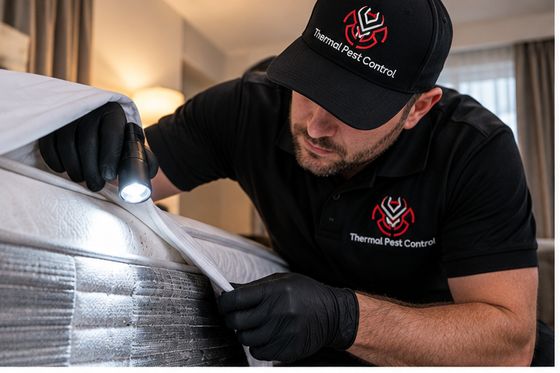
What is actually in a professional treatment, and why it is not the tin from the hardware shop.
Read more →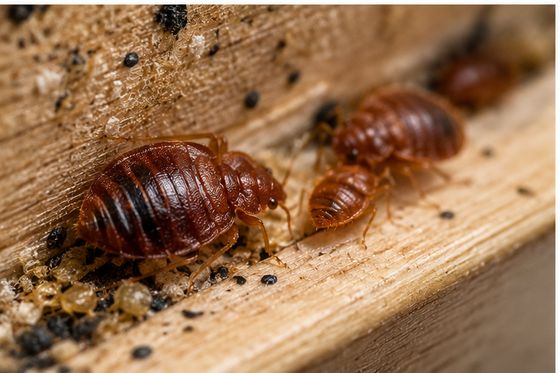
How Many Treatments Does It Take?
The bedbug life cycle sets the number, not the pest controller. Here is the timetable.
Read more →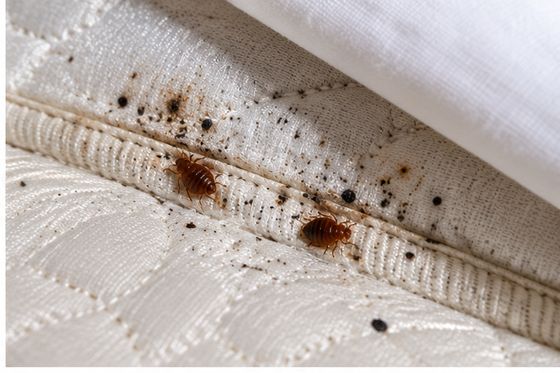
What Happens After the Treatment
Day one to week six, what you will actually see, and when to stop worrying.
Read more →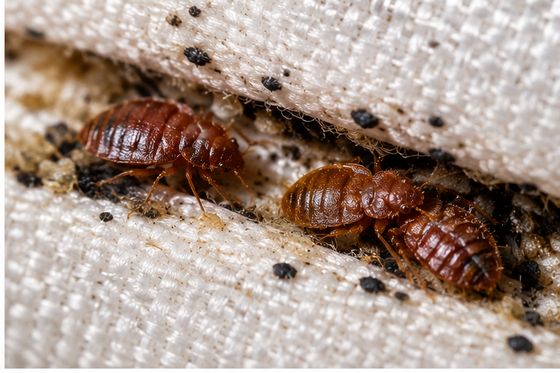
Why Bedbugs Reappear After Treatment
Hatching, survival or re-introduction. Three different problems that look identical.
Read more →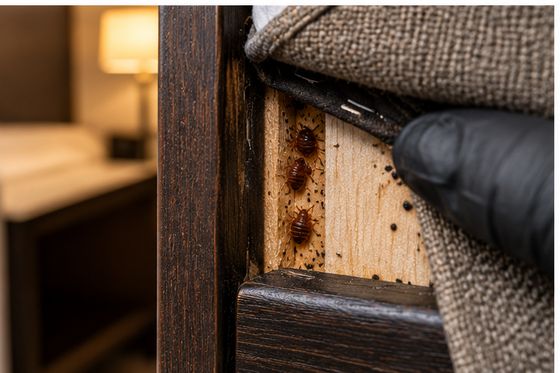
Where Pest Controllers Actually Treat
Why bedbugs choose the places they do, and the places we deliberately leave alone.
Read more →Bedbug Control Across Barnet
Each area page is written around one situation we deal with.
Tell Us About the Property
Tell us how many rooms, how the building is entered and whether a neighbour may be affected.