
- What the Washing Machine and Dryer Do
- Pillows
- Duvets and Blankets
- Mattress Toppers
- What We Do Not Treat Chemically
Bedding is usually less of a hiding place than the mattress seams and the frame, because it gets moved and shaken every day. But it is right next to the person they feed on, and it goes in and out of the room, so it needs dealing with properly before and after treatment.
What the Washing Machine and Dryer Do
Use the hottest wash the care label allows, then tumble dry on high for a full cycle. Of the two, the dryer does more of the work: heat held for long enough is what kills them, eggs included, and a tumble dryer holds heat far better than a wash does. An item that can go in a hot dryer but not a hot wash can go straight into the dryer.
Take bedding off in the room, put it straight into a bag, carry the bag to the machine and empty it directly into the drum. Afterwards, clean items go into a fresh sealed bag, not back onto the bed or into the linen cupboard until the room has been treated.
Pillows
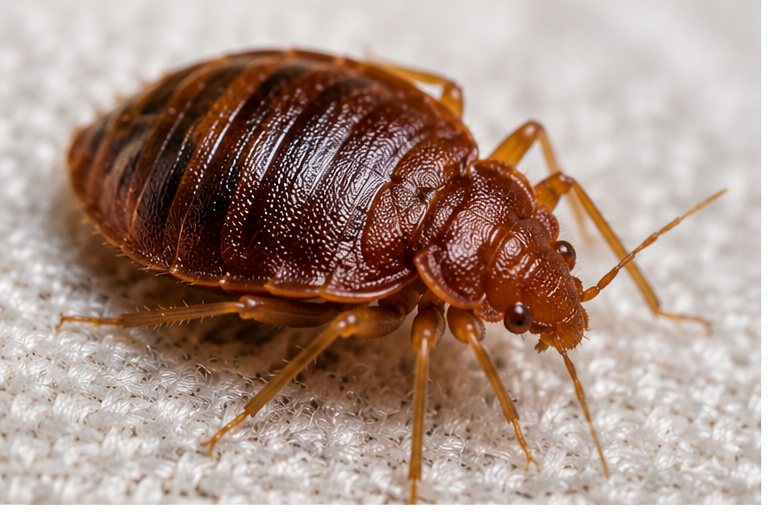
- Polyester and microfibre pillows usually wash and tumble dry well. Dry them thoroughly, as a damp core is no use to anyone.
- Feather and down pillows can often be washed and dried; follow the label, and give them a long dry.
- Memory foam and latex pillows cannot go in a machine. Wash the cover and leave the pillow in the room for heat treatment, or bag it until we have seen it.
A standard pillow costs little to replace, so if it is old, lumpy and heavily stained anyway, it is fair to bag it and bin it, but only once the rest of the room has been treated.
Duvets and Blankets
A double or king-size duvet often will not fit a home machine with room to move. A launderette's large machines and dryers are the usual answer; take it there in a sealed bag and bring it back in a clean one. Blankets, throws and bedspreads that sit on the bed get the same wash and dry.
Heavy items such as weighted blankets and wool duvets are often labelled dry clean or cool wash only. Those are better left in the room for heat treatment, or bagged and set aside for us to look at, than washed in a way that ruins them.
Mattress Toppers
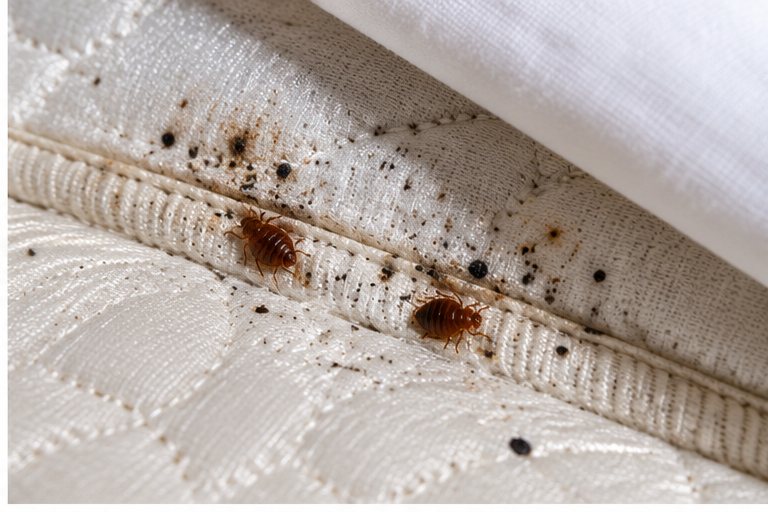
Toppers sit directly on the mattress seams, so they are more likely to be involved than the duvet. Thin fibre toppers can often be washed and dried like a duvet. Foam and memory foam toppers cannot, and they are awkward for chemical treatment too, since we do not put residual insecticide onto something you lie on.
Heat deals with a foam topper where it lies, which is one of the reasons people choose it when a lot of the bed is soft. With chemical treatment, a foam topper can be sealed in a bag and kept out of use until the follow-up visit is done, or replaced after treatment if it is worn.
What We Do Not Treat Chemically
Pillows, duvets and bedding are not sprayed. The residual goes into the mattress seams, the frame, the skirtings and furniture joints, and you deal with the bedding by washing and drying it; the chemical treatment page sets out what you do before the visit. Heat treatment covers soft items left in the room, and the preparation guide explains how to lay them out. For what goes underneath, see bedbugs and bed frames.
Related Questions
Do I need a mattress encasement?
It can help after treatment, because it seals the mattress and makes any later spotting easy to see. It is not a treatment on its own.
How often should I wash the bedding during treatment?
Before each visit, and again afterwards. Between visits of a chemical treatment, washing and drying once a week and bagging the clean set is sensible.
Should I throw out all the bedding and start again?
There is rarely any need. Almost everything can be washed, dried or treated, and new bedding on an untreated bed is soon affected too.
More Bedbug Advice for Greenwich
Written up in full for people in the borough, and worth reading before the treatment day.
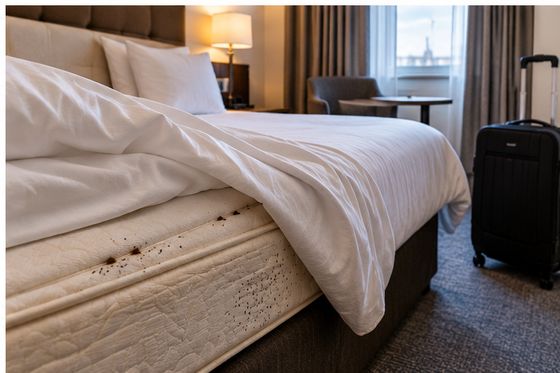
Taking Bedbugs Home From Halls
Packing up a room in halls, the journey home, and unpacking without spreading them.
Read more →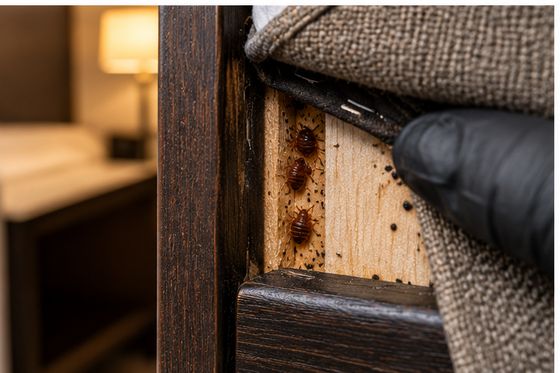
Metal, Wooden or Divan: Which Bed Frame?
Which frames give them most places to hide, how each is treated, and whether to replace.
Read more →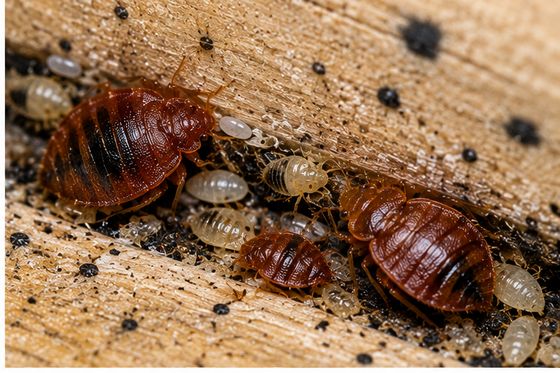
Books, Bags and Backpacks
The things that go in and out of the bedroom every day, and what to do with them.
Read more →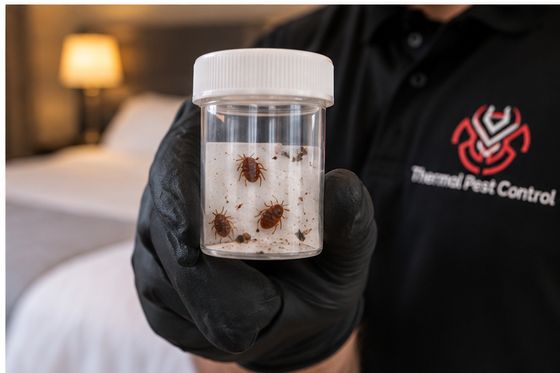
Do Bedbug Traps and Monitors Work?
Interceptor cups and monitors as a way of finding bedbugs, not a way of treating them.
Read more →Bedbug Control Across Greenwich
Each area page is written around one situation we deal with.
Bedbug Treatments in Greenwich
Every service has its own page for Greenwich: heat, chemical, hotels, commercial premises and inspections.
Tell Us About the Property
Tell us what you have seen and where, and we will tell you what it needs.