
- Wooden Frames
- Metal Frames
- Divans and Ottomans
- Do You Need to Replace the Frame?
- What You Can Do Before We Arrive
People often assume the mattress is the whole problem. In practice, a bed frame left untreated is one of the commonest reasons bedbugs come back, because the mattress gets attention and the joints underneath do not.
Wooden Frames
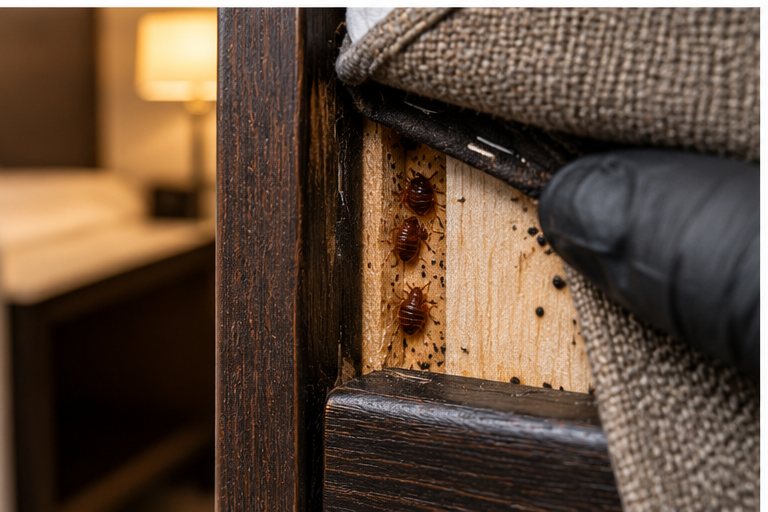
A solid timber or pine frame is full of small dry gaps: where the side rails slot into the legs, the screw and dowel holes, the underside of each slat, the join between headboard and frame, and any split along the grain. Bedbugs like rough timber and dark joints, and they leave spotting on the wood that shows where they have been.
Chemical treatment works well on wood. The residual goes into each joint and slot, and the slats are lifted so the undersides get covered. Heat also works, though dense timber heats slowly and a thick headboard against a cold wall is a classic cold spot the thermal camera has to check.
Metal Frames
A metal frame has fewer surfaces a bedbug can grip and fewer cracks, so it is usually the easiest to deal with. The places to watch are the hollow tubes, the bolt holes where sections meet, the plastic end caps on the legs, and any fabric-covered or wooden slats sitting on the metal.
Residual insecticide goes into the joints and the ends of the tubes. Heat reaches inside the tubes without anyone needing to take the frame apart, which is one reason it suits a frame with a lot of hollow sections.
Divans and Ottomans
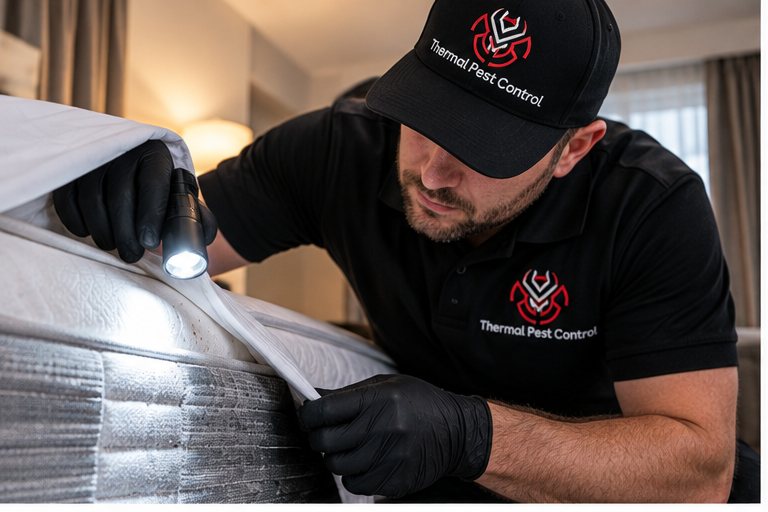
A divan base gives them the most room. There is the fabric cover stapled round a timber frame, the thin dust cover underneath, the piping and corners, the drawer runners, the castor sockets, and usually a padded headboard bolted on. Ottoman beds add a lifting mechanism and a large storage space full of whatever is kept in it.
For chemical treatment the base is turned or lifted so the underside can be reached, and the drawers come out. Stored belongings in an ottoman need sorting first: soft items washed and dried, the rest bagged. Heat is often the more thorough option for a divan, because it gets inside the upholstered structure where a surface product cannot.
Do You Need to Replace the Frame?
Usually not. Every type of frame can be treated, and replacing one before treatment tends to backfire: the old frame gets carried through the home and down the stairs, and the new one goes into a room that still has bedbugs in the skirtings and the carpet edge.
There are times it is reasonable to replace one, and we will say so if it is:
- A chipboard divan or frame that is broken, swollen or coming apart
- An upholstered headboard with torn fabric and heavy spotting inside
- A frame you were planning to get rid of anyway
If you do replace it, do it after treatment. Wrap the old frame or base in plastic before it leaves the room, and mark it so nobody picks it up from the kerb. Choosing a simpler frame next time, metal or plain timber with fewer upholstered parts, makes any future check much easier.
What You Can Do Before We Arrive
Leave the frame where it is and in one piece unless we ask otherwise. Empty any drawers or ottoman storage into bags, wash and dry what can be washed, and clear the floor around the bed. The full picture of where we treat is in where pest controllers treat for bedbugs, and the heat treatment page has the list of what needs to come out of the room first. For the bedding on top, see bedbugs in pillows, duvets and mattress toppers.
Related Questions
Should I take the bed apart before treatment?
Only if we ask. Taking it apart and moving the pieces around the home can spread them. Where access to joints needs it, we tell you when we book.
Is a metal frame bedbug-proof?
No. It gives them fewer places to hide, but they will still use the joints, tubes and slats, and they live in the mattress on top regardless.
Can a divan be treated or does it have to go?
Most divans can be treated. If the base is damaged or falling apart we will tell you, and any replacement should wait until after the treatment.
What does treating a bed cost?
Treatments start at £220, and the figure depends on the rooms involved and whether you choose heat or chemical. We give you the price on the phone.
More Bedbug Advice for Greenwich
Written up in full for people in the borough, and worth reading before the treatment day.
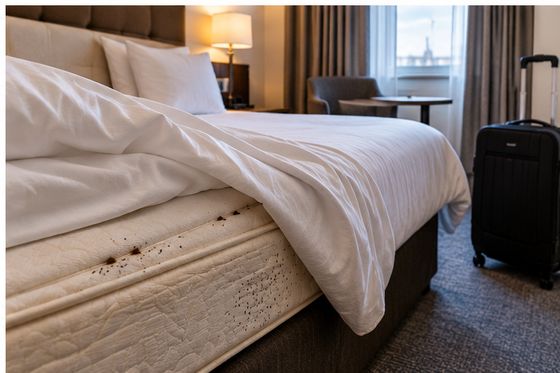
Taking Bedbugs Home From Halls
Packing up a room in halls, the journey home, and unpacking without spreading them.
Read more →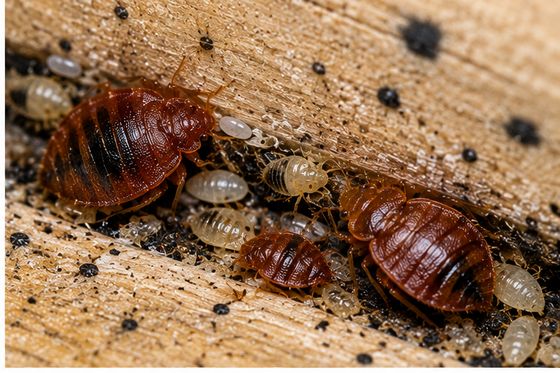
Books, Bags and Backpacks
The things that go in and out of the bedroom every day, and what to do with them.
Read more →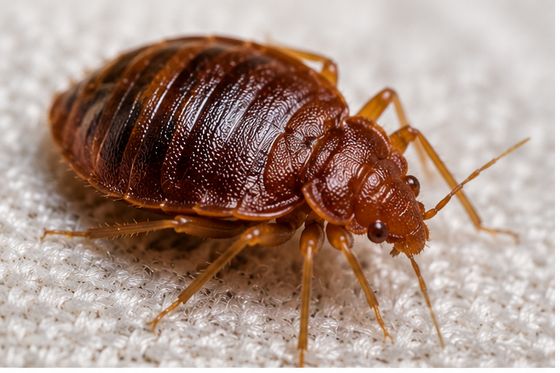
Pillows, Duvets and Mattress Toppers
What can be washed, what can be dried, and what needs treating or replacing.
Read more →
Do Bedbug Traps and Monitors Work?
Interceptor cups and monitors as a way of finding bedbugs, not a way of treating them.
Read more →Bedbug Control Across Greenwich
Each area page is written around one situation we deal with.
Bedbug Treatments in Greenwich
Every service has its own page for Greenwich: heat, chemical, hotels, commercial premises and inspections.
Tell Us About the Property
Tell us what you have seen and where, and we will tell you what it needs.