
- The Main Types
- What a Catch Tells You
- What an Empty Trap Does Not Tell You
- Getting the Most From Interceptors
- Where They Help After Treatment
Traps and monitors are sold alongside sprays and powders, often with wording that suggests they will deal with the problem. They will not. What they can do is catch a few insects so you know what you are dealing with, and show over the following weeks whether numbers are rising or falling.
The Main Types
- Interceptor cups: plastic dishes that sit under each bed leg, with a smooth inner wall a bedbug cannot climb out of.
- Sticky traps and glue boards: flat cards placed along skirtings or under the bed.
- Lure monitors: devices that give off something bedbugs are drawn to, such as warmth or an attractant, with a trap attached.
Interceptors are the most useful of the three in a home, because they sit on the route between the floor and the person in bed. Sticky boards catch very little on their own. Lure monitors vary a great deal and are more often used in empty rooms where there is no sleeper to draw the insects out.
What a Catch Tells You
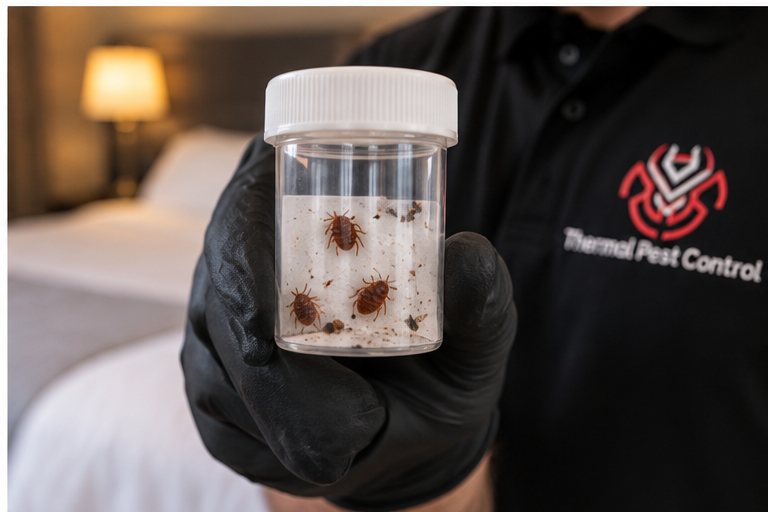
A bedbug in a cup is useful evidence. It confirms what you have, which matters because several other insects get mistaken for bedbugs, and it gives us something to identify. Keep it in the cup or seal it in a bag and mention it when you ring.
The position helps too. Bugs caught in the outer ring of an interceptor were climbing towards the bed from the room; bugs in the inner well were coming down off it. That tells you roughly where they are living.
What an Empty Trap Does Not Tell You
An empty cup after a week is not proof that you are clear. Bedbugs living in the mattress or the headboard never need to cross the floor, so they never reach it. Numbers early on can be small enough to miss for weeks. And a bed touching the wall, or bedding trailing to the floor, gives them a way round the cups altogether.
If you have spotting on the seams, bites that keep appearing or a bug you have found, those count for more than a clean trap. An inspection settles it; the inspections page explains what it involves, and inspections start at £120.
Getting the Most From Interceptors
- Pull the bed a hand's width away from the wall and the headboard off it.
- Tuck the bedding in so nothing hangs down to the floor.
- Put a cup under every leg, including the middle legs of larger beds.
- Keep bags, clothes and books off the bed so there is no other route up.
- Check the cups every few days with a torch and keep a note of what you find.
Where They Help After Treatment
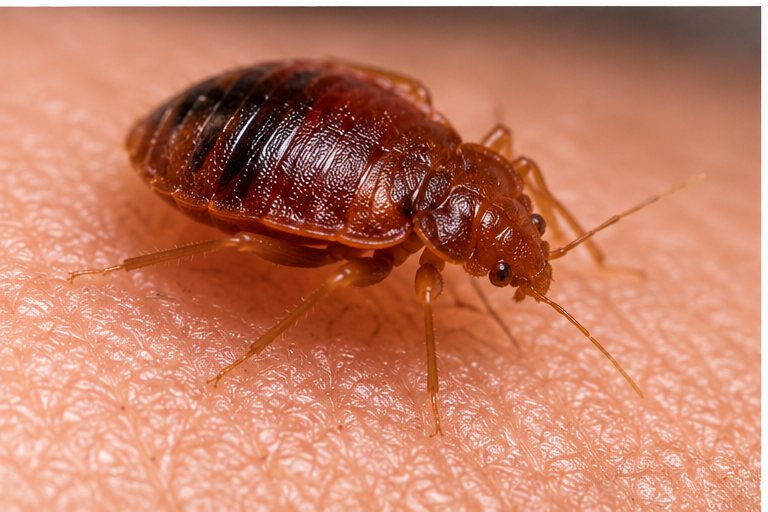
Monitoring after a treatment is where interceptors earn their keep. After a chemical treatment, some activity between visits is expected while the eggs hatch and meet the residual. Cups show whether that activity is dropping off. After a heat treatment, they give early warning if anything has come back in from outside the room.
If catches keep appearing weeks after the last visit, ring us rather than buying more products. The guide to why bedbugs reappear after treatment explains the usual reasons, and what happens after treatment covers the weeks that follow. If you are worried about bags and books carrying them back in, see books, bags and backpacks.
Related Questions
Can traps get rid of a small infestation?
No. They catch a few of the insects that happen to cross them. The eggs and the ones living in the mattress and frame carry on regardless.
Are homemade traps any use?
A smooth-sided dish under each leg can catch a bug or two, but shop-bought interceptors are designed so they cannot climb out. Either way, it is detection only.
Should I put traps down before an inspection?
It does no harm and a caught bug is useful. Do not move the bed to another room or change where you sleep to do it.
More Bedbug Advice for Greenwich
Written up in full for people in the borough, and worth reading before the treatment day.
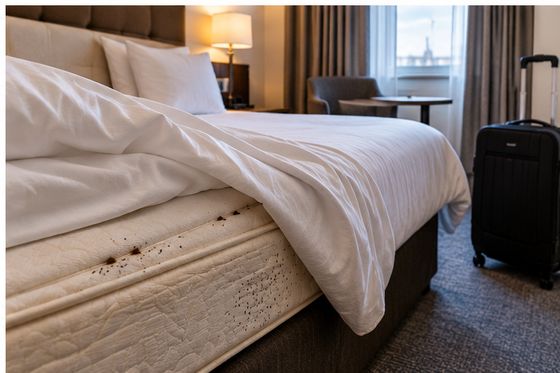
Taking Bedbugs Home From Halls
Packing up a room in halls, the journey home, and unpacking without spreading them.
Read more →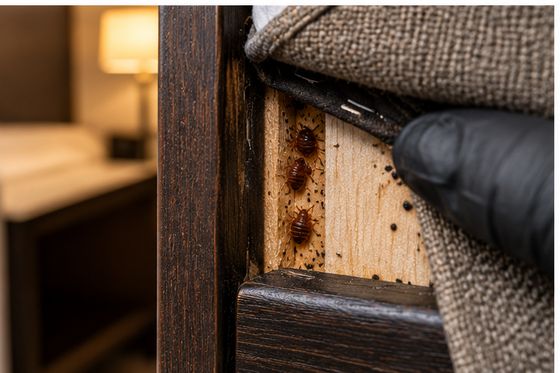
Metal, Wooden or Divan: Which Bed Frame?
Which frames give them most places to hide, how each is treated, and whether to replace.
Read more →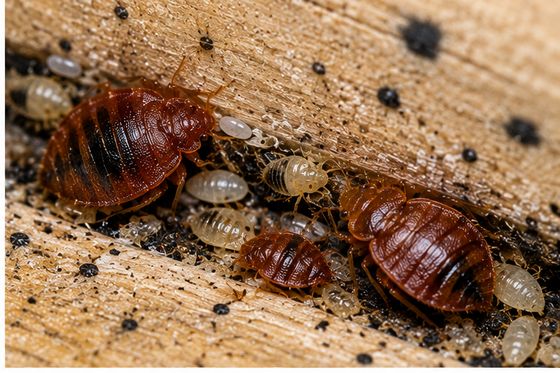
Books, Bags and Backpacks
The things that go in and out of the bedroom every day, and what to do with them.
Read more →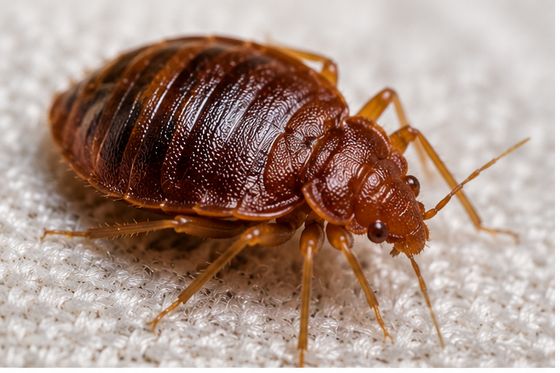
Pillows, Duvets and Mattress Toppers
What can be washed, what can be dried, and what needs treating or replacing.
Read more →Bedbug Control Across Greenwich
Each area page is written around one situation we deal with.
Bedbug Treatments in Greenwich
Every service has its own page for Greenwich: heat, chemical, hotels, commercial premises and inspections.
Tell Us About the Property
Tell us what you have seen and where, and we will tell you what it needs.